
Machine learning has revolutionized the way we interact with technology, enabling applications to learn from data and make intelligent decisions. Building machine learning apps might seem like a daunting task, but with the right approach and tools, it becomes an achievable goal. In this article, we’ll provide a step-by-step guide on how to build machine learning apps that leverage the power of artificial intelligence.
Step 1: Define Your Objective
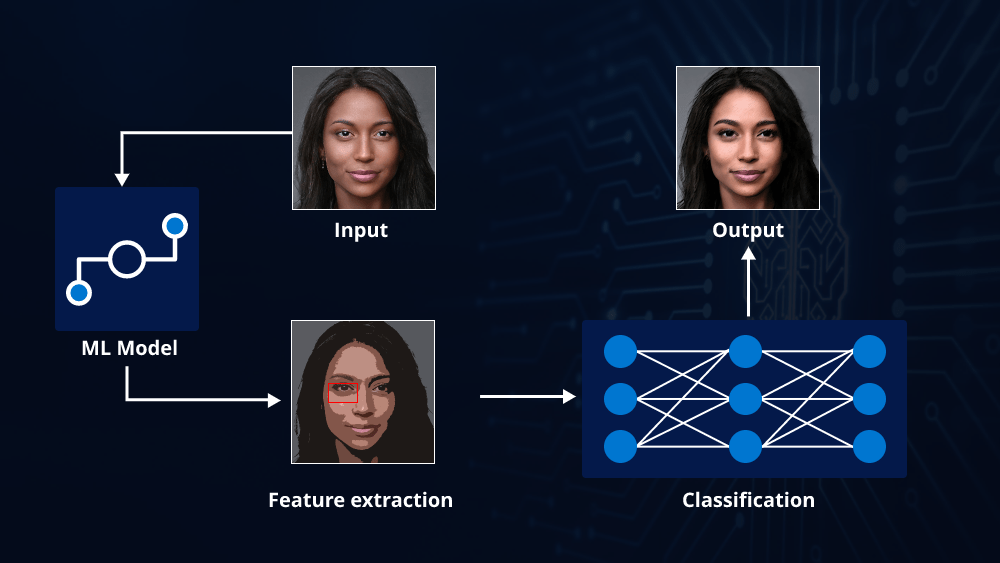
Before diving into development, it’s crucial to clearly define the purpose and objective of your machine learning app. Identify the problem you want to solve and the specific tasks the application needs to perform. Whether it’s image recognition, natural language processing, or predictive analysis, a well-defined objective is the foundation for a successful app.
Step 2: Data Collection and Preprocessing
Data is the lifeblood of machine learning apps. Collect and prepare a high-quality dataset that is relevant to your app’s objective. Clean and preprocess the data to remove inconsistencies and irrelevant information. Data preprocessing might involve tasks like normalization, feature scaling, and handling missing values to ensure the dataset is suitable for training machine learning models.
Step 3: Choose the Right Machine Learning Model
Selecting the appropriate machine learning model is critical to the success of your app. Depending on your objective, choose between supervised, unsupervised, or reinforcement learning algorithms. Popular libraries such as TensorFlow, PyTorch, and scikit-learn offer a wide range of pre-built models that you can use or customize according to your needs.
Step 4: Training and Testing
Train your chosen machine learning model using the preprocessed dataset. Split the data into training and testing sets to evaluate the model’s performance accurately. During training, the model learns from the data and adjusts its parameters to make better predictions. Regularly assess the model’s accuracy and fine-tune it if necessary.
Step 5: Integration into the App
Once the model is trained and tested, integrate it into your application. Depending on your development environment, you may use different programming languages or frameworks. For web applications, Python with Flask or Django is commonly used. For mobile apps, Java or Kotlin for Android and Swift or Objective-C for iOS are popular choices.
Step 6: Implement User Interface (UI) and User Experience (UX)
A user-friendly and intuitive interface is crucial for the success of any app. Design an attractive UI and ensure seamless user experience. The app should provide clear instructions on how to use its machine learning features effectively. Utilize visualization tools to display the results of the machine learning predictions clearly.
Step 7: Deploy and Monitor
Before launching your app, thoroughly test it in different scenarios to ensure its stability and performance. Once it passes the testing phase, deploy the app on the desired platform, whether it’s a web server, cloud platform, or mobile app store. Monitor the app closely to identify potential issues and continuously improve its performance.
Step 8: Regular Updates and Improvements
Machine learning apps can always benefit from updates and improvements. Monitor user feedback and analyze app usage to identify areas for enhancement. Refine the machine learning model and the app’s features to stay relevant and competitive in the market.
Conclusion
Building a machine learning app may sound complex, but with a systematic approach, it becomes a manageable and rewarding process. By defining clear objectives, collecting and preprocessing relevant data, choosing the right machine learning model, and implementing an intuitive user interface, you can create a powerful and efficient machine learning app. Remember that continuous monitoring, updates, and improvements are essential to keep your app relevant and successful in the ever-evolving landscape of machine learning and artificial intelligence. Embrace the possibilities, and let your creativity and innovation flourish in the world of machine learning apps.
To Learn More:- https://www.leewayhertz.com/how-to-build-a-machine-learning-app/
 Jasper's Business Blog