
Artificial Intelligence (AI) has revolutionized various industries, and the world of fashion is no exception. With its ability to process vast amounts of data, recognize patterns, and make intelligent decisions, AI has opened up new possibilities in the fashion domain. From personalized shopping experiences to trend forecasting and design innovations, AI is reshaping the way the fashion industry operates. In this article, we will explore some of the key AI use cases in fashion.
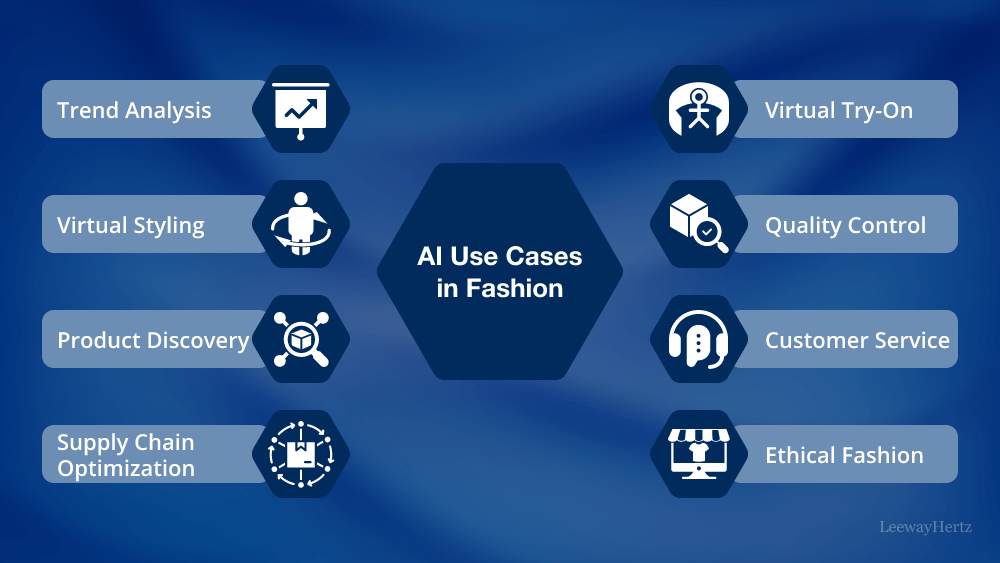
1. Personalized Recommendations:
AI-powered recommendation engines analyze customer data, preferences, and behavior to provide personalized product suggestions. By leveraging machine learning algorithms, fashion retailers can offer tailored recommendations, increasing customer satisfaction and driving sales.
2. Virtual Stylists:
AI-driven virtual stylists help customers discover outfits that suit their body type, style preferences, and occasions. By using computer vision and deep learning techniques, these virtual stylists can create curated looks, saving time for shoppers and reducing returns.
3. Image and Visual Search:
AI enables visual search capabilities that allow users to find clothing items by simply uploading images or using pictures from the web. By analyzing the visual attributes of products, AI-powered systems can identify similar products in a retailer’s catalog, enhancing the user experience and simplifying the search process.
4. Supply Chain Optimization:
AI optimizes the fashion supply chain by predicting demand, improving inventory management, and streamlining logistics. By analyzing historical data and market trends, AI models can forecast demand more accurately, reducing overstock and minimizing stockouts.
5. Trend Forecasting:
AI algorithms can process vast amounts of social media, runway, and fashion-related data to predict upcoming trends. This helps designers and retailers stay ahead of the curve, ensuring that they offer products that align with the latest fashion preferences.
6. Automated Design and Creativity:
AI tools like Generative Adversarial Networks (GANs) can aid in automated design creation. By learning from existing designs, AI algorithms can generate new and innovative designs, inspiring designers and accelerating the design process.
7. Virtual Try-On:
AI-based virtual try-on technologies allow customers to visualize how clothing items will look on them without physically trying them on. These simulations use computer vision to map the garments onto a user’s body, providing an immersive and interactive shopping experience.
8. Customer Sentiment Analysis:
AI can analyze customer feedback, reviews, and social media comments to gauge sentiment and gather insights into customer preferences. This information can help brands improve their products and marketing strategies.
9. Sustainable Fashion:
AI contributes to sustainable fashion by optimizing production processes to reduce waste and energy consumption. Additionally, AI-powered tools can assist in identifying eco-friendly materials and designing more sustainable fashion collections.
10. Fraud Detection:
AI can be employed to detect and prevent fraud in online fashion retail. By analyzing customer behavior and transaction patterns, AI models can flag suspicious activities and protect both retailers and customers from fraudulent activities.
11. Pricing Optimization:
AI algorithms can dynamically adjust product prices based on various factors like demand, competition, and historical sales data. This helps fashion retailers optimize pricing strategies to maximize profits while remaining competitive in the market.
12. Influencer Marketing:
AI can identify and analyze social media influencers who align with a brand’s target audience. This aids fashion brands in forming effective partnerships with influencers to promote their products to the right audience.
13. Size Recommendation:
AI can assist customers in finding the right size by analyzing their body measurements and suggesting appropriate clothing sizes, reducing the number of returns due to size issues.
14. Runway Analytics:
AI-powered tools can analyze runway shows and extract valuable insights about emerging trends, designers, and fashion movements, providing valuable information for industry professionals.
15. Chatbots and Customer Support:
AI-driven chatbots provide instant customer support, answering queries, and addressing issues, thereby improving customer satisfaction and engagement.
In conclusion, AI has brought transformative changes to the fashion industry, enabling personalized experiences, optimizing processes, and unlocking innovative design possibilities. As technology continues to advance, we can expect AI to further enhance the fashion landscape, making it more customer-centric, sustainable, and efficient. Fashion brands that embrace AI’s potential will undoubtedly gain a competitive edge in this rapidly evolving industry.
To Learn More:- https://www.leewayhertz.com/ai-use-cases-in-fashion/
 Jasper's Business Blog