
Artificial Intelligence (AI) has transformed the way we interact with technology, and chatbots have become an integral part of modern communication systems. An AI-powered chatbot is a program that uses natural language processing and machine learning algorithms to simulate human-like conversations with users. Building an AI-powered chatbot might seem daunting, but with the right approach, tools, and knowledge, it can be an exciting and rewarding endeavor. In this article, we will provide a step-by-step guide on how to build an AI-powered chatbot.
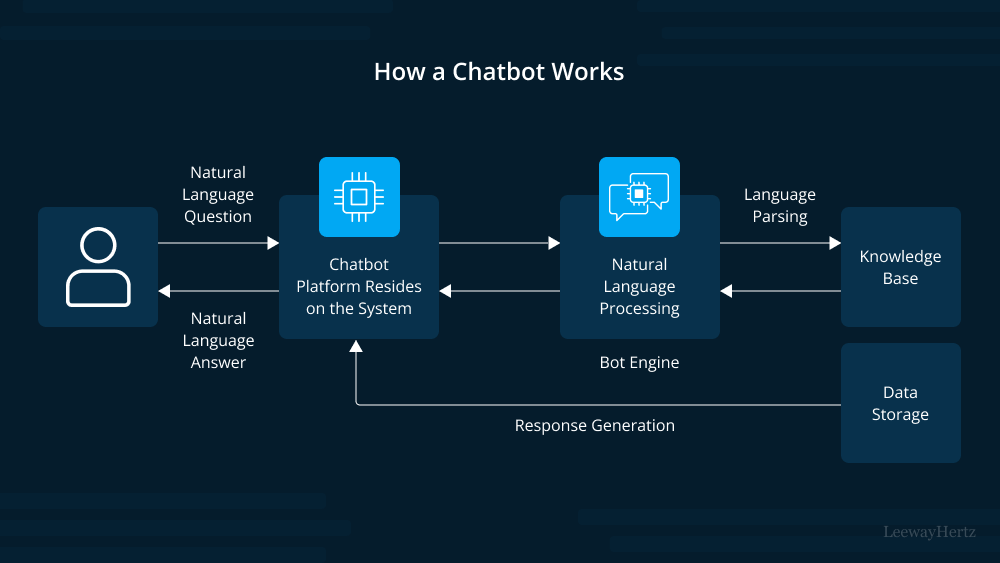
Step 1: Define the Purpose and Scope
Before diving into development, it’s essential to clearly define the purpose and scope of your chatbot. Identify the specific tasks and interactions the chatbot will handle, the target audience, and the platform(s) on which it will be deployed. Understanding these aspects will help guide the design and development process.
Step 2: Choose a Development Framework
There are various AI frameworks and platforms available to build chatbots. Some popular ones include Dialogflow, Microsoft Bot Framework, IBM Watson, and Rasa. Choose a framework that aligns with your project’s requirements, programming expertise, and budget.
Step 3: Collect and Organize Data
Training an AI-powered chatbot requires a significant amount of data. Create or collect a dataset of sample conversations related to your chatbot’s purpose. These conversations will serve as training data to help the AI model understand user queries and respond appropriately.
Step 4: Design the Conversation Flow
Map out the conversation flow or chatbot dialogue. Consider the different user inputs and design the bot’s responses accordingly. Keep the conversation natural and engaging, ensuring that the chatbot understands and addresses various user intents.
Step 5: Implement Natural Language Processing (NLP)
NLP is at the core of any AI-powered chatbot. It enables the chatbot to comprehend user inputs and generate appropriate responses. Train your AI model with the collected dataset using the chosen framework’s NLP capabilities. This step is crucial for the chatbot to understand and interpret user intent accurately.
Step 6: Integrate Machine Learning (ML)
Machine learning plays a vital role in improving the chatbot’s performance over time. Implement ML algorithms that allow the chatbot to learn from real-time interactions and continuously enhance its responses.
Step 7: Test and Iterate
Testing is an integral part of building a successful chatbot. Conduct thorough testing to identify and fix any bugs, inconsistencies, or incorrect responses. Iterate and refine the chatbot based on user feedback and performance evaluations.
Step 8: Deploy the Chatbot
Once you are satisfied with the chatbot’s performance, it’s time to deploy it on your chosen platform(s). Whether it’s a website, a messaging app, or a standalone application, ensure that the deployment process is seamless and user-friendly.
Step 9: Monitor and Maintain
Building an AI-powered chatbot is not a one-time task. Regularly monitor the chatbot’s performance and user interactions to identify areas for improvement. Update the chatbot’s responses and algorithms to accommodate evolving user needs and preferences.
Step 10: Enhance User Experience with Additional Features
To make your chatbot stand out, consider adding extra features such as voice support, sentiment analysis, or integration with external services like payment gateways or databases. These additional features can enhance the overall user experience and make your chatbot more versatile.
Conclusion
Building an AI-powered chatbot is a fascinating journey that involves careful planning, development, and continuous improvement. With the right tools and techniques, you can create a powerful and user-friendly chatbot that enriches interactions with your target audience. Remember, as AI technology evolves, your chatbot should evolve too. Stay up-to-date with the latest advancements and keep refining your chatbot to deliver exceptional user experiences.
To Learn More:- https://www.leewayhertz.com/ai-chatbots/
 Jasper's Business Blog