
In recent years, chatbots have become a prominent feature in the digital landscape, revolutionizing the way businesses interact with their customers. Among the various types of chatbots, the transactional chatbot stands out for its ability to facilitate and complete transactions seamlessly. This advanced form of artificial intelligence (AI) technology is designed to handle various tasks and transactions efficiently, offering users a convenient and personalized experience. In this article, we will explore what a transactional chatbot is and how it operates to enhance user engagement and streamline business operations.
Understanding Transactional Chatbots:
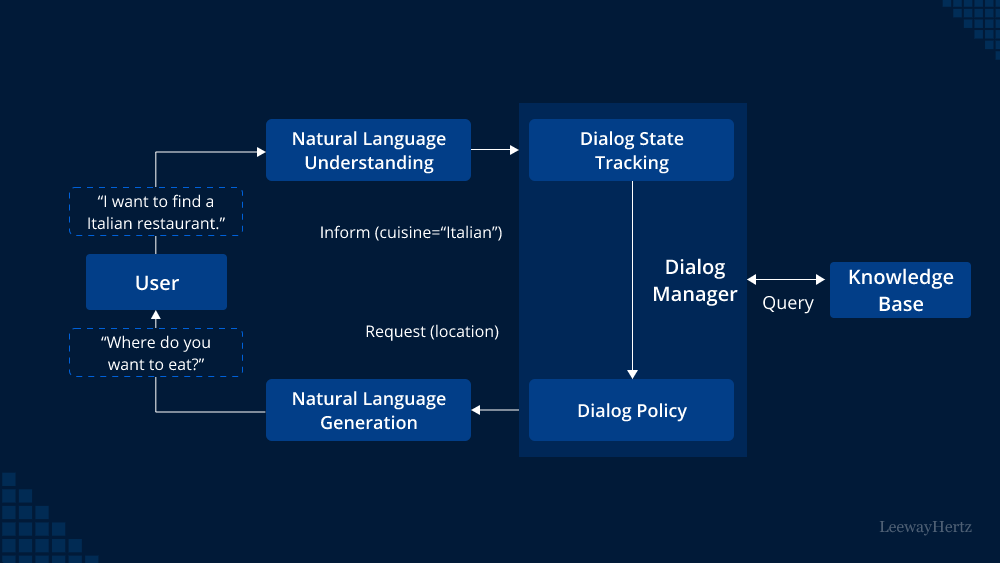
A transactional chatbot is an AI-powered conversational interface that is specifically designed to perform tasks and enable transactions for users. Unlike traditional chatbots that primarily focus on providing information or answering basic queries, transactional chatbots go a step further by offering a more interactive and functional experience. They act as virtual assistants capable of executing various tasks, such as making reservations, processing orders, scheduling appointments, and more. The primary goal of these chatbots is to guide users through the completion of a transaction from start to finish.
Operational Mechanics of Transactional Chatbots:
- Natural Language Processing (NLP): At the core of a transactional chatbot’s functionality lies Natural Language Processing (NLP). NLP enables the chatbot to understand and interpret user inputs in a way that mimics human conversation. This allows users to interact with the chatbot using natural language, making the communication process more intuitive and user-friendly.
- Intent Recognition: Transactional chatbots utilize sophisticated algorithms to recognize the intent behind the user’s messages accurately. By comprehending the user’s intent, the chatbot can determine the specific action required and proceed accordingly. For instance, if a user expresses the desire to book a table at a restaurant, the chatbot identifies the intent to make a reservation and initiates the process.
- Database Integration: To fulfill transactions successfully, transactional chatbots often integrate with databases and external systems. This integration allows the chatbot to access and retrieve information necessary to carry out tasks, such as retrieving product details or checking appointment availability. Seamless database integration ensures that the chatbot can provide up-to-date and relevant information to users.
- User Authentication and Security: For handling transactions that involve sensitive information, such as payment processing, user authentication and security are paramount. Transactional chatbots employ various security measures to ensure that user data remains protected and confidential. Techniques like encryption and two-factor authentication are commonly used to safeguard user information.
- Personalization and Contextual Understanding: Effective transactional chatbots focus on creating personalized user experiences. By analyzing past interactions and user data, the chatbot can tailor its responses and recommendations to match the user’s preferences and history. Contextual understanding enables the chatbot to remember previous conversations, making the overall interaction more coherent and efficient.
- Seamless Handover to Human Agents: While transactional chatbots can handle a wide array of tasks independently, there are instances where human intervention may be necessary. In such cases, a smooth transition or handover process is vital. Transactional chatbots are equipped to recognize situations where they may be unable to assist further and can seamlessly transfer the conversation to a human agent for continued support.
Benefits of Transactional Chatbots:
- Enhanced Customer Experience: Transactional chatbots provide a more interactive and user-centric experience, leading to higher customer satisfaction levels. The ability to complete tasks and transactions within the chat interface eliminates the need for users to navigate through multiple platforms or applications.
- 24/7 Availability: Unlike human agents, chatbots can operate round the clock, providing continuous support and assistance to users regardless of the time zone. This availability improves customer service and increases overall efficiency.
- Streamlined Operations: By automating repetitive and time-consuming tasks, transactional chatbots free up human agents to focus on more complex and strategic responsibilities. This streamlining of operations leads to improved productivity and cost savings for businesses.
Conclusion:
In conclusion, a transactional chatbot is an intelligent virtual assistant capable of handling various tasks and transactions. By leveraging advanced technologies such as Natural Language Processing, intent recognition, and database integration, these chatbots offer a personalized and seamless user experience. With their ability to operate 24/7 and streamline business operations, transactional chatbots have become indispensable tools for businesses looking to enhance customer engagement and improve overall efficiency. As AI technology continues to evolve, we can expect transactional chatbots to become even more sophisticated, further transforming the way we interact with businesses in the digital age.
To Learn More:- https://www.leewayhertz.com/train-transactional-chatbot-using-reinforcement-learning/
 Jasper's Business Blog