
In recent years, the field of artificial intelligence (AI) has witnessed remarkable advancements, especially in the domain of generative models. Among the various branches of generative AI, image synthesis has emerged as a captivating and versatile area, revolutionizing how images are generated, manipulated, and interpreted. These innovative generative AI image models have opened up new possibilities in numerous industries, ranging from creative arts to healthcare and beyond. In this article, we will delve into some of the fascinating applications of generative AI models for image synthesis.
1. Creating Photorealistic Images:
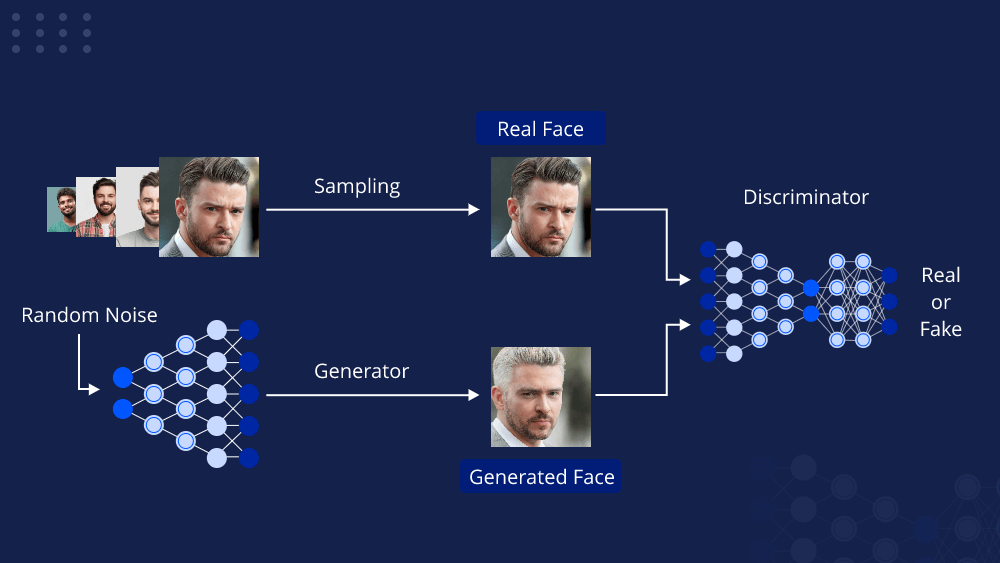
One of the most impressive feats of generative AI image models is their ability to generate photorealistic images. These models use large datasets to learn the intricate patterns and details found in real-world images. They can produce images that are remarkably similar to photographs, even though the scenes depicted might not have ever existed in reality. Such capabilities have found applications in the entertainment industry, where they are used to create lifelike characters and environments for video games and movies.
2. Artistic Style Transfer:
Generative AI image models can also be used for artistic style transfer. By leveraging deep learning techniques, these models can combine the content of one image with the style of another, resulting in a unique and visually appealing composition. Artists and designers find this application particularly fascinating, as it enables them to experiment with different visual styles and create novel artworks effortlessly.
3. Medical Imaging:
Image synthesis using generative AI models has shown great promise in the field of medical imaging. Medical professionals can use these models to generate high-resolution images of organs and tissues, aiding in the diagnosis of diseases and conditions. The ability to produce realistic medical images can also enhance medical training by providing a vast dataset of diverse cases for educational purposes.
4. Data Augmentation:
Data augmentation is a crucial technique in machine learning to increase the size and diversity of training datasets. Generative AI image models can be employed to generate new data points, thereby enriching the training data for various computer vision tasks. This can lead to more robust and accurate models for object recognition, segmentation, and other image-related tasks.
5. Image Super-Resolution:
Low-resolution images can be a challenge in certain applications, such as surveillance footage or historical photographs. Generative AI image models can be used for image super-resolution, where they upscale low-resolution images to higher resolutions, restoring lost details and improving overall image quality.
6. Virtual Fashion Try-On:
The fashion industry has also embraced generative AI image models for virtual try-on applications. Customers can upload images of themselves, and the models generate realistic images of the customers wearing various clothing items. This allows customers to virtually try on different outfits without physically being present in a store, leading to enhanced online shopping experiences.
7. DeepFakes and Ethical Considerations:
While generative AI image models have brought many positive applications, they have also raised concerns about ethical issues, particularly in the context of deepfakes. Deepfakes refer to manipulated images or videos created using AI, often with malicious intent. They can be used to spread misinformation, defame individuals, or create fraudulent content. As a result, researchers and policymakers are actively working on ways to detect and mitigate the negative impact of deepfakes.
In conclusion, generative AI image models have emerged as a powerful and transformative technology with a myriad of applications. From generating photorealistic images and creating artistic compositions to revolutionizing medical imaging and enhancing data augmentation, these models are shaping various industries. However, with great power comes great responsibility, and it is essential to approach their application ethically and responsibly to ensure that the benefits they offer are harnessed while mitigating potential risks. As technology continues to evolve, we can expect further innovations and exciting applications of generative AI image models.
To Learn More:- https://www.leewayhertz.com/a-guide-on-generative-ai-models-for-image-synthesis/
 Jasper's Business Blog