
In the ever-evolving landscape of artificial intelligence, there is a constant quest to develop tools and technologies that can mimic and enhance human cognitive abilities. One such groundbreaking development in the field of AI is the “Decision Transformer.” This remarkable innovation has the potential to revolutionize decision-making processes across various industries and pave the way for more informed and efficient choices. In this article, we will delve into the world of Decision Transformer, exploring what it is, how it works, and its implications for the future.
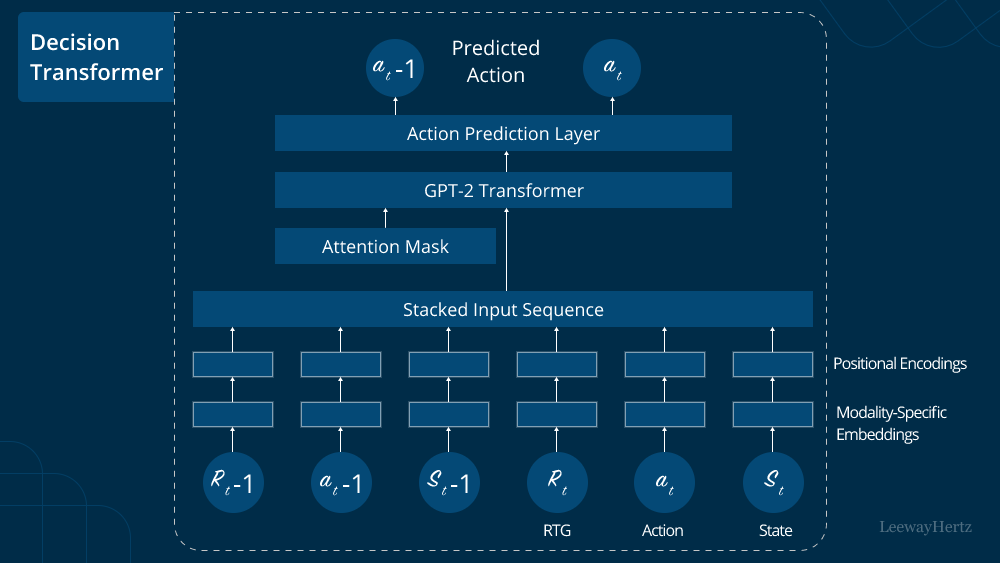
Deciphering Decision Transformer
At its core, a Decision Transformer is an artificial intelligence model that has been designed to excel in making complex decisions by processing vast amounts of data and extracting valuable insights. It is built upon the foundations of deep learning and natural language processing, combining the capabilities of neural networks and transformers to achieve unparalleled decision-making prowess.
Decision Transformers are capable of handling both structured and unstructured data, making them versatile tools for a wide range of applications. They utilize a combination of pre-trained language models, attention mechanisms, and reinforcement learning to understand and interpret data, weigh various factors, and generate optimal decisions. This fusion of techniques allows Decision Transformers to tackle problems that were previously considered too intricate for traditional AI systems.
How Decision Transformers Work
The inner workings of a Decision Transformer involve several key components:
- Input Data Processing: Decision Transformers take in data from diverse sources, which can include text, images, numerical data, and more. This data is then preprocessed and encoded into a format that the model can understand.
- Attention Mechanisms: The heart of Decision Transformers lies in their attention mechanisms. These mechanisms enable the model to focus on relevant information within the input data and disregard irrelevant details. This selective attention allows for efficient data processing and decision-making.
- Neural Networks: Neural networks play a vital role in Decision Transformers by performing complex computations and transformations on the data. These networks are responsible for learning patterns, relationships, and dependencies within the data.
- Reinforcement Learning: To improve decision-making over time, Decision Transformers often incorporate reinforcement learning techniques. They learn from past decisions and their outcomes, adjusting their future decisions to maximize desired outcomes.
Applications Across Industries
The versatility of Decision Transformers makes them invaluable across various industries. Here are a few examples of how this technology is already making an impact:
- Healthcare: In the medical field, Decision Transformers assist in diagnosing diseases, predicting patient outcomes, and recommending treatment plans. They can analyze patient records, medical images, and research papers to aid healthcare professionals in making critical decisions.
- Finance: Decision Transformers are utilized for portfolio optimization, fraud detection, and risk assessment. They can process vast financial datasets, identify market trends, and make real-time trading decisions.
- Customer Service: In the realm of customer service, these models enhance chatbots and virtual assistants. They can understand customer queries more accurately, providing better responses and improving overall customer satisfaction.
- Manufacturing: Decision Transformers optimize supply chain management, helping companies make informed decisions about inventory levels, production schedules, and logistics.
- Environmental Conservation: These models contribute to environmental efforts by analyzing climate data and suggesting strategies for reducing carbon emissions or conserving natural resources.
Challenges and Ethical Considerations
While the potential of Decision Transformers is undeniably impressive, their development and deployment are not without challenges and ethical considerations. One significant challenge is the need for massive amounts of data to train these models effectively. Gathering and curating such data can be resource-intensive and raise privacy concerns.
Moreover, there is a risk of bias in decision-making when using AI models like Decision Transformers. If the training data is biased, the model may perpetuate or even exacerbate existing biases. Ensuring fairness and transparency in AI decision-making remains an ongoing challenge.
The Future of Decision Transformers
As research in AI continues to advance, Decision Transformers are poised to become even more powerful and influential. Researchers are working on improving their interpretability, so that users can better understand the reasoning behind their decisions. Additionally, efforts are being made to address ethical concerns and promote responsible AI development.
In conclusion, Decision Transformers represent a significant leap forward in the world of artificial intelligence. Their ability to process vast amounts of data and make informed decisions has the potential to revolutionize decision-making processes across industries. However, it is essential to approach their development and deployment with caution, addressing challenges and ethical considerations along the way. With responsible use and ongoing research, Decision Transformers may truly unlock the power of informed decision-making in the digital age.
 Jasper's Business Blog