
Artificial Intelligence (AI) is at the forefront of technological innovation, transforming diverse industries and revolutionizing the way we live and work. In this article, we explore the multifaceted world of AI use cases and applications, revealing how AI is enhancing efficiency, driving innovation, and reshaping the human experience in various sectors.
Understanding AI Use Cases
AI, a subset of computer science, focuses on creating systems that can perform tasks typically requiring human intelligence. These tasks include problem-solving, decision-making, natural language understanding, image recognition, and more. AI systems can be rule-based or machine learning-based, depending on the complexity of the tasks they perform.

Key AI Use Cases and Applications
- Healthcare: AI is revolutionizing healthcare by enabling medical professionals to diagnose diseases, predict patient outcomes, and provide personalized treatment plans. It is also used for medical image analysis, drug discovery, and monitoring patient health.
- Finance: In the financial sector, AI is used for fraud detection, algorithmic trading, customer service chatbots, and credit risk assessment. AI-powered robo-advisors help individuals make investment decisions.
- Retail and E-commerce: AI enhances the shopping experience by providing personalized product recommendations, optimizing pricing, and automating inventory management and supply chain logistics.
- Manufacturing: AI-driven robots and automation improve production processes, reduce downtime, and enhance quality control in manufacturing. Predictive maintenance using AI helps prevent equipment failures.
- Transportation: AI is crucial for autonomous vehicles, optimizing route planning for logistics, and managing traffic congestion. It also plays a role in predictive maintenance for vehicle fleets.
- Education: AI supports personalized learning by adapting educational content to individual needs and learning styles. It also automates administrative tasks for educators, allowing them to focus on teaching.
- Marketing and Advertising: AI is used for targeted advertising, analyzing consumer behavior, and optimizing marketing campaigns. Natural language processing helps analyze social media sentiments.
- Natural Language Processing (NLP): NLP applications include language translation, sentiment analysis, chatbots, and voice assistants like Siri and Alexa.
- Computer Vision: AI-powered computer vision systems can analyze and interpret images and videos, enabling applications such as facial recognition, object detection, and self-driving cars.
- Environmental Conservation: AI helps in monitoring and managing environmental data, such as weather patterns, pollution levels, and wildlife conservation efforts.
- Legal Services: AI is employed for contract analysis, legal research, and document review, making legal processes more efficient.
- Customer Service: Chatbots and virtual assistants powered by AI provide immediate and consistent customer support, enhancing user experiences.
- Energy Management: AI optimizes energy consumption, monitors power grids, and helps in renewable energy integration.
- Agriculture: AI assists in precision agriculture by optimizing crop management, monitoring soil conditions, and automating tasks like planting and harvesting.
- Space Exploration: AI is used in space missions for autonomous navigation, data analysis, and managing spacecraft systems.
Artificial Intelligence is permeating every facet of our lives and industries, offering a wide array of applications that were once considered science fiction. As AI technologies continue to evolve and become more sophisticated, we can expect even more innovative use cases that will further improve efficiency, solve complex problems, and drive human progress. AI’s transformative power is at the heart of the Fourth Industrial Revolution, and its impact on society will continue to expand in ways that we are only beginning to comprehend.
Revolutionizing Retail and E-commerce: AI Use Cases
Artificial Intelligence (AI) is reshaping the retail and e-commerce landscape, offering innovative solutions to enhance the customer experience, streamline operations, and drive sales. In this article, we explore the manifold AI use cases in retail and e-commerce, revealing how AI is transforming the way businesses interact with consumers and manage their operations.
Customer Experience
- Personalized Product Recommendations: AI algorithms analyze customer behavior and preferences to provide personalized product recommendations. This boosts customer engagement and drives sales, as seen in platforms like Amazon.
- Virtual Shopping Assistants: AI-powered virtual assistants help customers find products, answer questions, and provide recommendations. Chatbots and voice-activated assistants like chatbots enhance the shopping experience.
- Visual Search: AI enables visual search, allowing users to find products by uploading images. This simplifies product discovery and makes the shopping process more convenient.
- Dynamic Pricing: AI-driven dynamic pricing adjusts product prices in real-time based on demand, market conditions, and competitor pricing, ensuring competitive and profitable pricing strategies.
Supply Chain and Inventory Management
- Demand Forecasting: AI helps businesses predict demand patterns, enabling better inventory management and reducing instances of overstocking or understocking.
- Inventory Optimization: AI systems optimize inventory by automating restocking, calculating reorder points, and minimizing carrying costs.
- Supplier Selection: AI aids in selecting and evaluating suppliers based on factors like reliability, cost, and performance, leading to more efficient and cost-effective supply chains.
Visual Merchandising
- Planogram Optimization: AI analyzes store layout and customer foot traffic to optimize product placement, enhancing visual merchandising and increasing sales.
- Augmented Reality (AR) Fitting Rooms: AI-powered AR systems allow customers to virtually try on clothing and accessories, enhancing the in-store and online shopping experience.
Customer Service
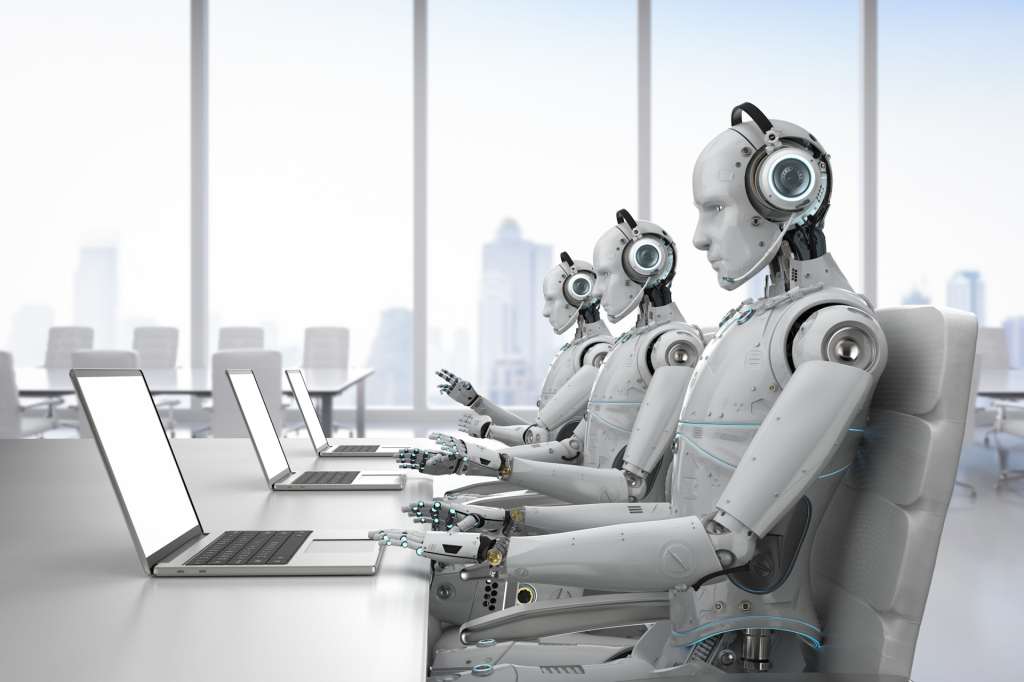
- Chatbots and Virtual Assistants: AI chatbots provide immediate and consistent customer support, answer queries, and assist with order tracking, improving the customer service experience.
- Voice Commerce: AI-driven voice assistants, such as Amazon’s Alexa, enable voice-activated shopping, making it convenient for customers to place orders and inquire about products.
Loss Prevention
- Predictive Analytics for Fraud Detection: AI analyzes transactions and user behavior to detect fraudulent activities and unauthorized access, protecting businesses from financial losses.
- Surveillance and Security: AI-powered surveillance systems can detect unusual in-store behavior and notify security personnel in real-time, preventing theft and ensuring a safe shopping environment.
Marketing and Advertising
- Targeted Advertising: AI analyzes consumer behavior to create targeted advertisements, ensuring that marketing efforts reach the most relevant audiences.
- Email Marketing: AI optimizes email marketing campaigns by personalizing content and sending messages at the most effective times.
- Repricing Strategies: AI algorithms help retailers stay competitive by automatically adjusting prices to match competitors and market conditions.
Artificial Intelligence is at the heart of retail and e-commerce’s digital transformation. From personalized product recommendations to supply chain optimization and enhanced customer service, AI’s impact is evident in every aspect of the industry. As AI technologies continue to evolve, we can expect even more innovative use cases, further enhancing the retail and e-commerce landscape and providing consumers with seamless, personalized, and engaging shopping experiences.
Navigating the Future: AI Use Cases in Travel and Logistics
The travel and logistics industry is no stranger to innovation, and Artificial Intelligence (AI) is transforming it in remarkable ways. AI solutions are revolutionizing the travel experience, from trip planning and booking to logistics management and even enhancing safety measures. In this article, we delve into the various AI use cases in the travel and logistics sector, showcasing how AI is optimizing operations and improving customer experiences.

- Route Optimization: AI algorithms analyze real-time data on traffic, weather, and road conditions to provide optimal routes for transportation and logistics companies. This not only reduces travel time but also saves on fuel costs and minimizes environmental impact.
- Inventory Management: AI enhances inventory management by predicting demand, optimizing stocking levels, and automating reordering processes, ensuring that products are available when and where they are needed.
- Customer Service Chatbots: AI-driven chatbots provide immediate assistance to travelers and customers. They answer queries, help with booking, and provide real-time flight updates or transit information.
- Predictive Maintenance: AI predicts when vehicles and equipment require maintenance, preventing unexpected breakdowns and minimizing downtime for airlines, railroads, and trucking companies.
- Weather and Flight Delays: AI systems analyze historical and real-time weather data to predict and mitigate flight delays, allowing airlines to adjust schedules and minimize passenger inconvenience.
- Baggage Handling: AI systems monitor and track baggage throughout the travel process, reducing the likelihood of lost luggage and improving customer satisfaction.
- Fraud Detection: AI is employed to detect fraudulent activities in travel bookings, credit card transactions, and loyalty programs, enhancing security measures.
- Personalized Travel Planning: AI engines use customer data to suggest personalized travel itineraries, accommodation options, and activities, delivering a tailored travel experience.
- Language Translation: AI-driven translation tools help travelers communicate in foreign countries by providing real-time translation of text, speech, or even street signs.
- Security and Safety: AI-enhanced surveillance systems monitor transportation hubs and public spaces, detecting unusual behavior, and enhancing safety and security measures.
- Pricing Optimization: Airlines and hotels use AI algorithms to adjust pricing in real-time based on demand, occupancy, and other factors, maximizing revenue.
- Supply Chain Management: AI optimizes supply chains by predicting demand, automating procurement, and ensuring efficient logistics operations for businesses and e-commerce companies.
- Luggage Tracking: AI-powered tracking systems allow travelers to keep tabs on their luggage throughout the journey, reducing the stress of lost or misplaced bags.
- Smart Ticketing: AI enables contactless payment and mobile ticketing solutions, simplifying the ticketing and check-in process for various modes of transportation.
- Environmental Impact Reduction: AI helps optimize transportation routes and schedules, reducing fuel consumption and greenhouse gas emissions, contributing to more eco-friendly travel.
- Travel Risk Assessment: AI-driven tools evaluate travel risks, including health and safety concerns, and provide travelers with real-time information and guidance.
Artificial Intelligence is fundamentally altering the travel and logistics industry, enhancing efficiency, safety, and the overall travel experience. From route optimization and predictive maintenance to personalized travel planning and improved security measures, AI is a crucial partner in navigating the complexities of the modern world. As AI technologies continue to evolve, the industry can look forward to even more innovations that will further streamline operations and improve travel experiences for individuals and businesses alike.
Driving the Future: AI Use Cases in the Automotive Industry
The automotive industry is undergoing a transformation with the integration of Artificial Intelligence (AI) into various aspects of vehicle manufacturing and operation. AI is driving innovations that improve safety, efficiency, and the overall driving experience. In this article, we explore the diverse AI use cases in the automotive sector, demonstrating how AI is revolutionizing the way we design, build, and use vehicles.

- Autonomous Vehicles: AI is at the heart of self-driving cars. Machine learning algorithms process data from sensors, cameras, and lidar to make real-time driving decisions. Companies like Tesla, Waymo, and Uber are leading the way in autonomous vehicle development.
- Advanced Driver Assistance Systems (ADAS): AI powers ADAS features such as lane-keeping assistance, adaptive cruise control, and collision avoidance systems. These technologies enhance vehicle safety and reduce accidents.
- Predictive Maintenance: AI analyzes data from sensors to predict when a vehicle requires maintenance, reducing unexpected breakdowns and lowering maintenance costs for both individuals and fleet operators.
- Voice and Gesture Control: AI-driven voice recognition and gesture control systems allow drivers to interact with their vehicles, adjusting settings, making calls, and even controlling navigation without taking their hands off the wheel.
- Natural Language Processing (NLP): AI-powered NLP systems enable more natural and conversational interactions between drivers and in-car voice assistants, making driving safer and more convenient.
- Enhanced Navigation: AI algorithms process real-time traffic data to provide drivers with optimal routes, avoid congestion, and suggest alternate routes for a more efficient journey.
- Infotainment Systems: AI powers infotainment systems to provide personalized content recommendations, voice-activated controls, and adaptive user interfaces for a more enjoyable driving experience.
- Driver Monitoring: AI-based driver monitoring systems analyze driver behavior, alerting drivers if they show signs of drowsiness or distraction, enhancing safety on the road.
- Vehicle-to-Everything (V2X) Communication: AI enables vehicles to communicate with other vehicles and infrastructure, providing real-time traffic information, collision warnings, and intersection management.
- Smart Parking: AI-assisted parking systems help drivers find available parking spaces, enhancing convenience in crowded urban environments.
- Environmental Impact Reduction: AI optimizes engine performance and energy management to reduce emissions and improve fuel efficiency, contributing to a more sustainable automotive industry.
- Supply Chain Optimization: AI is used in supply chain management to forecast demand, optimize production, and streamline logistics for automotive manufacturers.
- Quality Control: AI systems use computer vision to inspect and detect defects in manufacturing, ensuring high-quality vehicle production.
- Virtual Prototyping: AI assists in the development of virtual prototypes, reducing the need for physical testing and accelerating the design and engineering process.
- Customization: AI algorithms allow automakers to offer customizable options for vehicle features and designs, catering to individual preferences.
- Advanced Materials Development: AI helps researchers in the automotive industry discover and develop new materials that improve vehicle safety, efficiency, and sustainability.
Artificial Intelligence is steering the automotive industry toward a future of safer, more efficient, and more connected vehicles. With autonomous driving, advanced safety features, and improved in-car experiences, AI is reshaping the way we drive and interact with our vehicles. As AI technologies continue to evolve, we can anticipate even more groundbreaking innovations in the automotive sector, further enhancing the future of transportation.
Revolutionizing E-commerce: The Role of AI
The world of e-commerce has seen a seismic shift in recent years, and at the heart of this transformation is Artificial Intelligence (AI). AI is reshaping the e-commerce landscape, offering innovative solutions to enhance the customer experience, streamline operations, and drive sales. In this article, we explore the pivotal role of AI in e-commerce, highlighting its manifold applications and how it’s changing the way businesses engage with customers and manage their digital storefronts.
- Personalized Product Recommendations: AI algorithms analyze customer behavior and preferences to provide tailored product recommendations. This not only enhances customer engagement but also boosts conversion rates, as seen in platforms like Amazon.
- Visual Search: AI enables visual search, allowing users to find products by uploading images. This simplifies product discovery and makes the shopping process more convenient.
- Chatbots and Virtual Assistants: AI-powered chatbots provide immediate assistance to online shoppers. They answer queries, help with product searches, and provide real-time updates on orders and shipping.
- Pricing Optimization: AI-driven dynamic pricing adjusts product prices in real-time based on demand, market conditions, and competitor pricing, ensuring competitive and profitable pricing strategies.
- Inventory Management: AI optimizes inventory management by predicting demand, automating restocking, and minimizing carrying costs. This ensures products are available when and where needed.
- Supply Chain Optimization: AI forecasts demand, automates procurement, and ensures efficient logistics operations, making the supply chain more agile and cost-effective.
- Voice Commerce: AI-driven voice assistants like Amazon’s Alexa enable voice-activated shopping, making it convenient for customers to place orders and inquire about products.
- Fraud Detection: AI analyzes transactions to detect fraudulent activities, enhancing the security of e-commerce platforms and protecting both businesses and customers.
- Email Marketing: AI optimizes email marketing campaigns by personalizing content and sending messages at the most effective times, improving the effectiveness of email marketing efforts.
- Content Curation: AI algorithms analyze vast amounts of content to recommend the most relevant products and materials, saving time in research and selection.
- Virtual Reality (VR) and Augmented Reality (AR): AI-powered VR and AR enhance the shopping experience by offering immersive product demonstrations and virtual try-ons.
- Customer Segmentation: AI analyzes customer data to segment the audience, allowing businesses to target specific customer groups with tailored marketing campaigns.
- Abandoned Cart Recovery: AI-driven systems send automated reminders and offers to customers who have abandoned their shopping carts, recovering potential sales.
- Environmental Impact Reduction: AI helps optimize transportation routes and schedules, reducing fuel consumption and greenhouse gas emissions associated with product delivery.
- Predictive Analytics: AI-powered predictive analytics assess customer behavior to forecast trends, identify potential churn, and recommend strategies to retain customers.
- Smart Recommendations: AI-driven algorithms recommend cross-sell and upsell products to customers, increasing the average order value.
Artificial Intelligence is reshaping e-commerce, making it more personalized, efficient, and profitable. From personalized product recommendations and dynamic pricing to efficient inventory management and supply chain optimization, AI is playing a pivotal role in shaping the future of online retail. As AI technologies continue to evolve, businesses can anticipate even more innovative solutions that will further enhance the e-commerce landscape, providing customers with more engaging and convenient shopping experiences.
 Jasper's Business Blog