Building Machine Learning Apps: A Step-by-Step Guide

Machine learning has revolutionized the way we approach problem-solving and decision-making in various domains, from healthcare to finance and beyond. One of the most exciting applications of machine learning is in building intelligent apps that can automate tasks, make predictions, and provide personalized recommendations. In this article, we’ll walk you through the essential steps to create your own machine learning app.

1. Define Your Problem and Objective

The first step in building a machine learning app is to clearly define your problem and objective. What specific task or prediction do you want your app to perform? Whether it’s image classification, natural language processing, or recommendation systems, a well-defined problem is the foundation of a successful machine learning project.

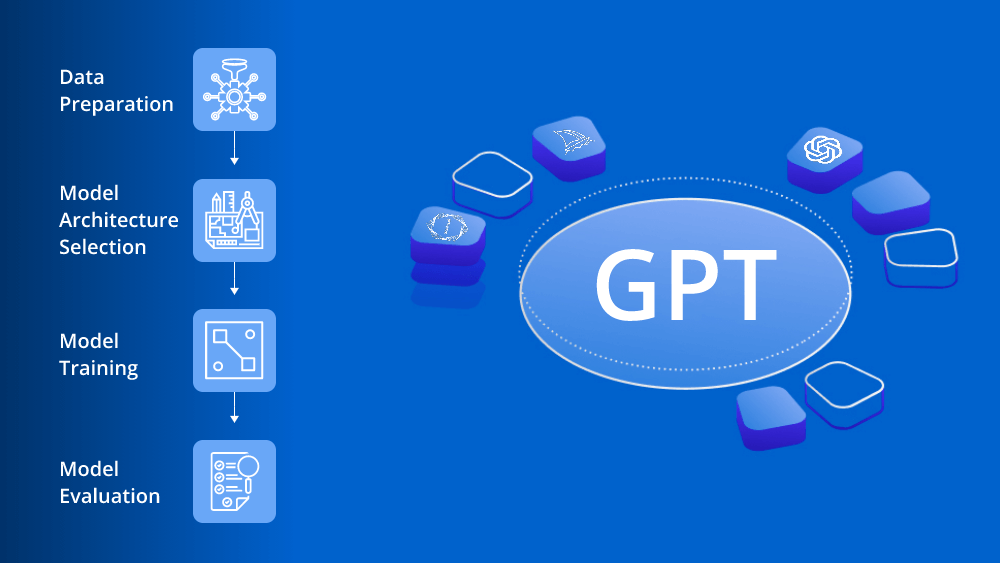
2. Gather and Prepare Data

Data is the lifeblood of any machine learning application. You’ll need a high-quality dataset that is relevant to your problem. Collecting, cleaning, and preprocessing data are critical tasks. Data preprocessing involves handling missing values, scaling features, and encoding categorical variables to make the data suitable for machine learning algorithms.

3. Choose the Right Algorithm

Selecting the appropriate machine learning algorithm is crucial. The choice depends on the nature of your problem, the type of data you have, and your desired outcome. Common algorithms include decision trees, support vector machines, neural networks, and many more. Experiment with different algorithms to find the one that best fits your problem.

4. Train Your Model

Once you’ve chosen an algorithm, it’s time to train your machine learning model. Split your dataset into training and testing sets to evaluate the model’s performance. During training, the model learns patterns and relationships in the data to make predictions or classifications. Be prepared for multiple iterations and parameter tuning to optimize your model’s performance.

5. Develop the App

With a trained model in hand, it’s time to start building your app. You’ll need to choose a programming language and framework that supports your model. Popular choices include Python, TensorFlow, PyTorch, and scikit-learn. Create a user-friendly interface that allows users to interact with your app and input data for predictions.

6. Integrate the Model

Integrate your trained machine learning model into the app’s backend. This involves writing code that loads the model, processes input data, and generates predictions or recommendations. Ensure that the model’s performance remains consistent in the app environment.

7. Test and Validate

Thoroughly test your machine learning app to ensure it performs as expected. Test it with various input data to validate its accuracy and robustness. Consider using techniques like cross-validation to assess model performance. User feedback is invaluable for identifying and fixing any issues.

8. Deployment and Scaling

Once your app is thoroughly tested and validated, it’s time to deploy it to a production environment. Depending on your needs, you can deploy your app on a cloud platform, a web server, or even on mobile devices. Ensure that your app can handle real-time data and scale to accommodate increasing usage.

9. Monitor and Maintain

Machine learning models require ongoing maintenance. Data drift, changes in user behavior, and evolving requirements can affect model performance. Implement a monitoring system that alerts you to potential issues and schedule regular updates to retrain your model with new data.

10. User Experience and Feedback

A successful machine learning app is not just about accurate predictions; it’s also about providing a great user experience. Listen to user feedback and make improvements to the app’s interface and functionality. Continuously refine your app to meet user expectations.

11. Privacy and Security

Ensure that your machine learning app complies with privacy regulations and protects user data. Implement encryption and authentication mechanisms to safeguard sensitive information. Educate yourself on best practices for data privacy and security in machine learning applications.

12. Stay Informed and Adapt

The field of machine learning is rapidly evolving. Stay informed about the latest developments, research papers, and best practices. Be prepared to adapt your app as new techniques and technologies emerge to maintain its competitive edge.

In conclusion, building a machine learning app is a complex but rewarding endeavor. It starts with a clear problem definition, data collection, model training, and culminates in a user-friendly, production-ready application. By following these steps and staying committed to continuous improvement, you can create a machine learning app that adds significant value to your target audience and stays relevant in a dynamic technological landscape.

To Learn More :- https://www.leewayhertz.com/how-to-build-a-machine-learning-app/

Standard

Stable Diffusion Developers: Pioneers of Sustainable Technological Advancement

In the fast-paced realm of software development, where trends and technologies seem to shift overnight, there emerges a unique breed of developers known as “Stable Diffusion Developers.” These innovative individuals stand out by their commitment to sustainable technological advancement and the creation of lasting, impactful solutions. In a landscape often characterized by rapid change and short-term gains, Stable Diffusion Developers prioritize stability, longevity, and responsible innovation. Let’s delve into the characteristics and contributions of these exceptional professionals in the world of software development.

1. Embracing Longevity Over Quick Wins

Stable Diffusion Developers prioritize longevity over quick wins. Rather than chasing the latest fads, they focus on creating software solutions that stand the test of time. Their code is characterized by robustness and adaptability, ensuring that their creations continue to function effectively even as technology evolves.

2. Mindful Technological Adoption

In a digital environment where new frameworks, libraries, and tools emerge regularly, Stable Diffusion Developers approach technological adoption with mindfulness. They critically assess the potential benefits and drawbacks of integrating new technologies into their projects. Their measured approach prevents unnecessary disruptions and ensures a stable foundation for software development.

3. User-Centric Design for Sustainable Impact

Stable Diffusion Developers place a strong emphasis on user-centric design. They actively engage with end-users to understand their needs and pain points, creating software that addresses real-world problems. By prioritizing sustainable solutions that provide long-term value, these developers contribute to positive user experiences and sustained relevance.

4. Continuous Learning and Skill Development

To maintain their stability-focused approach, Stable Diffusion Developers are committed to continuous learning. They invest time in improving their existing skills and acquiring new ones, enabling them to adapt to evolving technological landscapes without sacrificing the stability of their projects.

5. Thorough Testing and Quality Assurance

Stable Diffusion Developers understand that stable software is synonymous with reliable software. They dedicate ample time to thorough testing and quality assurance, leaving no stone unturned in the quest for optimal functionality. This meticulous attention to detail results in software that operates smoothly and consistently.

6. Collaborative and Inclusive Work Culture

In the world of software development, collaboration is key. Stable Diffusion Developers foster a collaborative and inclusive work culture where ideas are shared openly, and constructive feedback is encouraged. This approach not only leads to better outcomes but also helps in nurturing a stable and cohesive development environment.

7. Sustainability and Environmental Responsibility

Beyond the digital realm, Stable Diffusion Developers are increasingly concerned with the environmental impact of their work. They advocate for energy-efficient coding practices and actively seek ways to minimize the carbon footprint of their software. By aligning technological innovation with environmental responsibility, they contribute to a more sustainable future.

8. Ethical Considerations in Development

Stable Diffusion Developers recognize the ethical implications of their work. They prioritize data privacy, security, and user rights, ensuring that their software upholds the highest ethical standards. This commitment to ethical considerations adds a layer of stability and trust to their creations.

9. Balancing Innovation and Stability

Innovation is at the heart of software development, and Stable Diffusion Developers strike a harmonious balance between innovation and stability. They leverage cutting-edge technologies to enhance their projects while maintaining a steadfast focus on stability and user satisfaction.

10. Mentorship and Knowledge Sharing

Stable Diffusion Developers are not only skilled practitioners but also passionate mentors. They actively engage in knowledge sharing, guiding aspiring developers to adopt sustainable practices and prioritize stability in their work. This mentorship contributes to the growth of a new generation of developers who value longevity and responsible innovation.

In a rapidly changing technological landscape, Stable Diffusion Developers stand as beacons of stability and responsible innovation. Their commitment to creating lasting, impactful solutions serves as an inspiration for the broader software development community. By embracing longevity, user-centric design, continuous learning, and ethical considerations, they pave the way for a future where technological advancement and stability go hand in hand. As the digital world continues to evolve, these developers remind us of the importance of sustainable practices that stand the test of time.

Standard

AI as a Service (AIaaS): Transforming Industries through Accessible AI

Artificial Intelligence (AI) has emerged as a revolutionary technology, reshaping the landscape of various industries. The proliferation of AI has been driven by advancements in machine learning, deep learning, and data analytics. However, access to AI expertise and infrastructure can be a daunting challenge for many businesses. This is where AI as a Service (AIaaS) steps in, providing a solution that democratizes AI and makes its benefits accessible to a wide range of organizations.

1. Demystifying AI as a Service (AIaaS)

AI as a Service (AIaaS) refers to the provision of AI functionalities and tools over the internet on a subscription basis. It allows businesses to harness the power of AI without the need for extensive in-house AI expertise or infrastructure. AIaaS platforms offer a variety of AI services, including machine learning models, natural language processing, computer vision, predictive analytics, and more.

2. Accessibility and Affordability

One of the most significant advantages of AIaaS is its accessibility. Traditional AI implementation often requires substantial financial investments in hardware, software, and specialized personnel. AIaaS eliminates these barriers by providing a cost-effective alternative. Businesses can access state-of-the-art AI tools and capabilities without the upfront costs, making it particularly beneficial for startups and small to medium-sized enterprises (SMEs).

3. Flexibility and Scalability

AIaaS platforms offer flexibility and scalability, allowing businesses to adapt their AI usage based on changing needs. As businesses grow, they can easily scale their AI capabilities without significant infrastructure investments. This agility enables organizations to experiment with AI-driven solutions, iterate quickly, and optimize their operations for maximum efficiency.

4. Rapid Deployment and Time-to-Value

Implementing AI from scratch can be time-consuming and complex. AIaaS accelerates the deployment process, as businesses can integrate AI functionalities into their systems using pre-built APIs and tools. This reduction in implementation time translates to faster time-to-value, enabling organizations to realize the benefits of AI-driven insights and automation more quickly.

5. Diverse Applications

AIaaS has found applications across various industries. In healthcare, AIaaS aids in medical image analysis, diagnosis, and drug discovery. In retail, it powers personalized recommendations, demand forecasting, and inventory management. Industries like finance, manufacturing, and agriculture also benefit from AIaaS through fraud detection, predictive maintenance, and crop monitoring, respectively.

6. Democratizing Innovation

AIaaS democratizes innovation by empowering businesses of all sizes to leverage cutting-edge AI technologies. This levels the playing field, enabling startups and SMEs to compete with larger corporations on the basis of technological prowess and innovative solutions. This democratization fosters a culture of innovation and drives healthy competition across industries.

7. Data Privacy and Security

Concerns about data privacy and security are valid in the AI landscape. AIaaS providers prioritize data protection and often implement robust security measures. By partnering with reputable AIaaS vendors, businesses can mitigate risks and ensure that their data remains confidential and compliant with regulations.

8. Challenges and Considerations

While AIaaS offers numerous benefits, there are challenges to navigate. Businesses must carefully choose AIaaS providers that align with their needs and values. Vendor lock-in and integration complexities should be considered, along with potential limitations in customization compared to in-house AI solutions.

9. The Future of AIaaS

The trajectory of AIaaS points toward increased innovation and refinement. As AI technologies evolve, AIaaS providers will likely offer more specialized and domain-specific services. Integration with edge computing and the Internet of Things (IoT) will further enhance the reach and impact of AIaaS, enabling real-time decision-making and automation in diverse settings.

Embracing the AI Revolution

In conclusion, AI as a Service (AIaaS) is revolutionizing industries by making advanced AI capabilities accessible, affordable, and adaptable. Its impact spans across sectors, unlocking new opportunities and driving innovation. As businesses continue to embrace the AI revolution, AIaaS stands as a powerful enabler, propelling organizations toward a future where AI-driven insights and automation are commonplace, regardless of size or resources.

Standard

The Future and Benefits of Customized ChatGPT Apps

In recent years, advancements in artificial intelligence (AI) have revolutionized various industries, and one of the most intriguing applications is the development of customized ChatGPT apps. These apps leverage AI-powered natural language processing to engage users in dynamic conversations, making them an invaluable tool for businesses and individuals alike. This article delves into the future potential and the myriad benefits that customized ChatGPT apps bring to the table.

1. Tailored User Experiences

The hallmark of customized ChatGPT apps is their ability to provide tailored user experiences. These apps can be designed and trained to understand industry-specific language, jargon, and context. For businesses, this means customer interactions that feel personalized and relevant, fostering a stronger connection between the company and its clientele. This personalization enhances user engagement and satisfaction, ultimately boosting customer loyalty and retention rates.

2. Efficient Customer Support

Gone are the days of long wait times and repetitive responses in customer support queues. Customized ChatGPT apps have the potential to transform customer support into a seamless and efficient experience. These apps can be trained to provide accurate and consistent responses to common queries, freeing up human agents to focus on more complex issues. This leads to faster issue resolution, increased customer satisfaction, and reduced operational costs for businesses.

3. Language Accessibility

Language barriers often hinder effective communication, especially in a globalized world. Customized ChatGPT apps can bridge these gaps by offering multilingual support. Regardless of the user’s preferred language, these apps can engage in conversations, provide information, and offer assistance. This opens up new markets and opportunities for businesses to expand their reach beyond linguistic constraints.

4. Personal Productivity

Individual users can also benefit greatly from customized ChatGPT apps. These apps can serve as virtual assistants, helping users with tasks ranging from drafting emails and creating to-do lists to providing quick answers to general knowledge questions. With a ChatGPT app tailored to their preferences and needs, users can enhance their personal productivity and streamline their daily routines.

5. Learning and Education

Education is another domain that stands to gain from customized ChatGPT apps. These apps can be programmed to provide explanations and clarifications on a wide range of topics, making learning more interactive and engaging. Students can ask questions and receive detailed responses, fostering a deeper understanding of the subject matter. Additionally, these apps can adapt to individual learning paces, ensuring a personalized learning journey for each student.

6. Innovative Marketing

Customized ChatGPT apps can play a pivotal role in shaping the future of marketing. By analyzing user interactions and preferences, businesses can gather valuable insights into consumer behavior. This data can then be used to refine marketing strategies, develop targeted campaigns, and create more relevant product offerings. The result is a more efficient allocation of resources and a higher return on investment in marketing efforts.

7. Entertainment and Creativity

The creative potential of customized ChatGPT apps is boundless. These apps can generate stories, poems, and even scripts based on user prompts, opening up new avenues for entertainment. Writers, artists, and content creators can collaborate with these AI-powered assistants to brainstorm ideas, overcome creative blocks, and refine their work. This synergy between human creativity and AI innovation could lead to unprecedented forms of artistic expression.

8. Data Analysis and Decision Making

Businesses deal with vast amounts of data on a daily basis. Customized ChatGPT apps can assist in data analysis by extracting insights, generating reports, and providing context to complex datasets. This empowers decision-makers to make informed choices backed by data-driven intelligence. The speed and accuracy of AI-driven analysis can significantly enhance a company’s strategic planning and competitive edge.

Conclusion

The future of customized ChatGPT apps holds immense promise across a multitude of sectors. From transforming customer support to aiding in education, from fostering creativity to driving innovative marketing strategies, the benefits of these apps are far-reaching. As AI technology continues to evolve, these apps will become increasingly sophisticated, delivering even more personalized and valuable experiences. Businesses and individuals who embrace this technology stand to gain a competitive advantage in a rapidly changing digital landscape. As we look ahead, it’s clear that customized ChatGPT apps are poised to shape the way we interact, learn, work, and create in the years to come.

Standard

Bridging the Gap Between Machine Learning and Operations

In the rapidly evolving landscape of technology and data-driven decision-making, organizations are increasingly turning to machine learning (ML) and artificial intelligence (AI) to gain a competitive edge. However, the journey from developing a successful ML model to deploying it in a production environment is fraught with challenges. This is where MLOps consulting services come into play, acting as a crucial bridge between ML development and operational implementation. In this article, we delve into the world of MLOps consulting services, exploring their significance, benefits, and key components.

1. Understanding MLOps Consulting Services: A Primer

MLOps, a fusion of “machine learning” and “operations,” refers to the practice of streamlining and automating the end-to-end process of deploying, managing, and monitoring ML models in production environments. MLOps consulting services specialize in providing expert guidance, strategies, and solutions to help organizations effectively navigate the complexities of this process.

2. The Significance of MLOps Consulting Services

a. Seamless Transition from Development to Deployment: MLOps consultants facilitate a smooth transition of ML models from the development stage to deployment, ensuring that models perform as expected in real-world scenarios.

b. Enhanced Collaboration: These services encourage cross-functional collaboration between data scientists, engineers, and operations teams, fostering a culture of synergy and innovation.

c. Mitigating Risks: MLOps consultants help organizations identify potential risks and bottlenecks early in the deployment process, reducing the likelihood of failures and costly setbacks.

d. Optimized Resource Utilization: By implementing efficient resource management techniques, MLOps services help organizations optimize infrastructure and reduce operational costs.

3. Benefits of Engaging MLOps Consulting Services

a. Accelerated Time-to-Value: MLOps consultants expedite the deployment process, enabling organizations to realize the value of their ML investments faster.

b. Improved Model Performance: Through continuous monitoring and optimization, MLOps services enhance model performance, ensuring it remains effective in dynamic environments.

c. Scalability and Flexibility: Consultants design scalable and flexible architectures, allowing organizations to adapt to changing demands and data volumes.

d. Regulatory Compliance: MLOps consultants assist in ensuring that deployed models comply with relevant industry regulations and data privacy standards.

4. Key Components of MLOps Consulting Services

a. Infrastructure Design and Deployment: Consultants design and implement the necessary infrastructure, encompassing hardware, software, and cloud resources, to support ML model deployment.

b. Continuous Integration and Deployment (CI/CD): MLOps services establish automated CI/CD pipelines that facilitate seamless updates and version control for ML models.

c. Model Monitoring and Maintenance: Consultants set up monitoring systems to track model performance, detect anomalies, and trigger alerts for timely interventions.

d. Data Management Strategies: Effective MLOps involves robust data management practices, including data preprocessing, transformation, and versioning.

e. Governance and Security: MLOps consulting ensures that models are deployed within a secure environment, adhering to data governance and access control policies.

5. Real-World Case Studies

a. Financial Services: An MLOps consulting firm assisted a financial institution in deploying a fraud detection model, leading to a 30% reduction in fraudulent transactions within the first quarter.

b. Healthcare: Consultants supported a healthcare organization in implementing a patient diagnosis model, reducing diagnosis time by 40% and improving patient outcomes.

6. Selecting the Right MLOps Consulting Partner

a. Expertise and Experience: Look for a partner with a proven track record in deploying ML models across diverse industries.

b. Customization: Ensure the consulting services can be tailored to meet the unique needs and challenges of your organization.

c. Scalability: Choose a partner that can accommodate your organization’s growth and changing requirements.

d. Collaboration and Communication: Effective communication and collaboration are essential; choose a partner that values transparency and knowledge sharing.

Conclusion

In the rapidly evolving landscape of technology, MLOps consulting services play a pivotal role in ensuring the successful deployment and management of ML models. From optimizing resource utilization to mitigating risks, these services provide a comprehensive framework for organizations to bridge the gap between ML development and operational implementation. As the demand for AI and ML continues to rise, engaging a reliable MLOps consulting partner becomes not just an advantage, but a necessity, in realizing the full potential of data-driven decision-making.

Standard

Hire Action Transformer Model Developers: Unleashing the Power of AI

Artificial Intelligence (AI) has rapidly advanced over the years, and one of the most exciting developments is the emergence of Transformer models. Among these, Action Transformer models stand out as a groundbreaking innovation that holds immense potential for revolutionizing various industries. To harness the power of these models, organizations are increasingly seeking to hire skilled Action Transformer model developers. In this article, we delve into the significance of Action Transformers and provide a comprehensive guide on how to hire the best developers in this field.

The Rise of Action Transformer Models

Transformer models have taken the AI world by storm since their introduction, primarily due to their exceptional performance in natural language processing tasks. These models, equipped with attention mechanisms, have been employed in a wide array of applications, from language translation to text generation. Action Transformer models take this a step further by incorporating a sense of causality and action prediction into their architecture.

  1. Understanding Action Transformers: Action Transformers are a specialized variant of the Transformer architecture designed to predict sequences of actions or events. They have proven to be particularly effective in tasks that involve generating coherent and contextually relevant sequences, making them invaluable in dialogue systems, story generation, and interactive AI applications.
  2. Enhanced Contextual Understanding: What sets Action Transformers apart is their ability to capture context and causal relationships within a sequence of actions. This makes them excel in scenarios where understanding the order and consequences of actions is crucial. Industries such as gaming, virtual assistants, and content generation can greatly benefit from this enhanced contextual understanding.

Why Hiring Action Transformer Model Developers Matters

As the potential of Action Transformer models becomes increasingly evident, organizations are realizing the need to recruit skilled developers who can harness their capabilities to create cutting-edge applications. Here’s why hiring these developers is essential:

  1. Technical Expertise: Developing and fine-tuning Action Transformer models requires a deep understanding of both the underlying Transformer architecture and the specific intricacies of action prediction. Experienced developers can navigate these complexities to produce models that deliver accurate and coherent results.
  2. Customization for Business Needs: Every organization has unique requirements for its AI applications. Skilled Action Transformer developers can tailor these models to suit specific business needs, ensuring that the AI system aligns perfectly with the organization’s goals.
  3. Innovation and Competitive Edge: Incorporating Action Transformer models into your products or services can set your organization apart from competitors. These models enable the creation of more engaging and interactive user experiences, fostering innovation and attracting a wider user base.

Hiring Action Transformer Model Developers: A Comprehensive Guide

When it comes to hiring Action Transformer model developers, there are several key factors to consider to ensure you’re bringing the right talent on board:

  1. Technical Proficiency: Look for candidates with a strong foundation in machine learning, deep learning, and natural language processing. They should demonstrate hands-on experience with Transformer architectures and relevant libraries such as TensorFlow and PyTorch.
  2. Portfolio and Projects: Review the candidate’s past projects to assess their ability to work with Action Transformers. An impressive portfolio showcasing successful implementations of these models indicates a developer’s expertise.
  3. Problem-Solving Skills: Action Transformer models often involve overcoming unique challenges related to action prediction and causality. Prior experience in tackling similar problems demonstrates a developer’s problem-solving prowess.
  4. Collaboration and Communication: Effective communication and teamwork are essential for translating business requirements into functional AI applications. Seek developers who can clearly articulate their ideas and collaborate seamlessly with cross-functional teams.
  5. Continuous Learning: The field of AI is rapidly evolving, and Action Transformer developers need to stay updated with the latest advancements. Inquire about a candidate’s commitment to continuous learning and their strategies for staying current.

In Conclusion

The era of Action Transformer models has ushered in a new wave of AI innovation, promising enhanced contextual understanding and dynamic interaction. As organizations recognize the potential of these models, hiring skilled Action Transformer developers becomes paramount. By focusing on technical expertise, customization capabilities, and problem-solving skills, businesses can secure the talent needed to unlock the full potential of Action Transformers and drive AI-driven growth in various sectors. As the AI landscape continues to evolve, organizations that invest in top-tier Action Transformer developers will undoubtedly position themselves at the forefront of technological progress.

Standard

Transformer Model Development Services: Revolutionizing AI Solutions

In the realm of artificial intelligence (AI) and machine learning, the development and deployment of advanced models have become essential for businesses seeking to stay competitive and innovative. Among the cutting-edge solutions available, transformer models have emerged as a game-changer, enabling the creation of complex AI applications that understand, generate, and process natural language with remarkable accuracy. To harness the power of transformer models effectively, many businesses are turning to specialized services that offer Transformer Model Development. This article delves into the significance of these services in shaping the future of AI-powered applications.

What are Transformer Models?

Transformer models represent a revolutionary approach to natural language processing (NLP) tasks. Introduced in the landmark paper “Attention is All You Need” by Vaswani et al. in 2017, transformers have since become the cornerstone of modern NLP and AI development. Unlike their predecessors, transformer models rely on a mechanism known as “self-attention,” allowing them to weigh the importance of different words in a sentence contextually. This breakthrough innovation has led to a quantum leap in the accuracy and efficiency of language-related tasks, such as language translation, text generation, sentiment analysis, and more.

The Role of Transformer Model Development Services

Transformer Model Development Services play a pivotal role in bridging the gap between businesses seeking innovative AI solutions and the intricate complexities of transformer models. These services offer a range of benefits that contribute to the seamless integration of transformer technology into various applications:

  1. Expertise and Specialization: Developing transformer models requires a deep understanding of both AI and NLP. Transformer Model Development Services comprise teams of seasoned experts who specialize in architecting, training, fine-tuning, and deploying these models. Their expertise ensures that businesses can leverage the latest advancements in the field without the need for an extensive in-house team.
  2. Customization: Every business has unique requirements, and one size does not fit all in the world of AI solutions. Transformer Model Development Services offer customization options that cater to specific use cases. Whether it’s crafting a model for sentiment analysis in customer reviews or generating human-like text for chatbots, these services tailor the transformer models to suit the application’s precise needs.
  3. Efficiency: Developing a transformer model from scratch can be a time-consuming process, often requiring substantial computational resources. Transformer Model Development Services optimize this process by leveraging pre-trained models and fine-tuning them for the desired task. This significantly reduces the development timeline while maintaining high accuracy levels.
  4. Scalability: As businesses grow, the demands on their AI systems also increase. Transformer Model Development Services offer scalable solutions that can accommodate growing data volumes and evolving requirements. This adaptability ensures that AI applications can continue to provide accurate insights and responses as the business expands.
  5. Integration: Integrating a transformer model into an existing application ecosystem can be a daunting task. Transformer Model Development Services not only create the model but also provide seamless integration support, ensuring that the model works harmoniously with other components of the application.
  6. Ongoing Support and Maintenance: AI models require continuous monitoring and updates to maintain their performance. Transformer Model Development Services provide ongoing support and maintenance, ensuring that the model remains up-to-date, accurate, and aligned with the evolving needs of the business.

Applications of Transformer Model Development Services

The applications of transformer models are vast and varied, making Transformer Model Development Services relevant across multiple industries:

  1. E-commerce: Recommender systems powered by transformer models can provide personalized product suggestions, enhancing the shopping experience and increasing sales.
  2. Healthcare: Transformer models can aid in medical text analysis, such as diagnosing diseases from patient records or generating medical reports.
  3. Finance: Sentiment analysis models can help financial institutions gauge market sentiment and make informed investment decisions.
  4. Customer Service: Chatbots equipped with transformer models can understand and respond to customer inquiries more effectively, providing a seamless support experience.
  5. Content Generation: From automated content creation to language translation, transformer models are indispensable in producing high-quality, human-like text.

In Conclusion

Transformer Model Development Services are at the forefront of the AI revolution, enabling businesses to harness the power of transformer models without the complexities of development. With their expertise, customization options, efficiency, scalability, integration support, and ongoing maintenance, these services are driving innovation across various industries. As AI continues to reshape the technological landscape, the role of transformer models in delivering accurate, context-aware solutions becomes increasingly vital, making Transformer Model Development Services a cornerstone of modern AI development.

Standard

The Future with AI Chatbot Development Companies

In today’s fast-paced digital landscape, businesses are constantly seeking innovative ways to enhance customer engagement and streamline their operations. As technology continues to evolve, artificial intelligence (AI) has emerged as a game-changer in various industries. One remarkable application of AI is the development of AI-powered chatbots, which are transforming the way businesses interact with their customers. These AI chatbot development companies are paving the way for a future where personalized, efficient, and round-the-clock customer support is the norm.

Rise of AI-Powered Chatbots: Transforming Customer Interaction

AI-powered chatbots have rapidly gained popularity across industries for their ability to provide instant responses, improve customer satisfaction, and optimize resource allocation. Unlike traditional customer service channels that are often limited by human availability and time zones, AI chatbots offer 24/7 support, ensuring that customer inquiries are addressed promptly. This round-the-clock availability has the potential to boost customer loyalty and retention, ultimately leading to increased sales and brand credibility.

Enhancing Personalization with AI

One of the key advantages of AI-powered chatbots is their capacity to deliver highly personalized interactions. By analyzing vast amounts of customer data, these chatbots can understand individual preferences, purchase history, and browsing behavior. This information enables them to tailor their responses and recommendations, providing customers with a more relevant and enjoyable experience. As AI algorithms continue to advance, chatbots are becoming increasingly adept at mimicking human conversation styles, making interactions feel more natural and engaging.

Revolutionizing E-Commerce and Customer Support

The e-commerce industry is witnessing a significant transformation thanks to AI-powered chatbots. These chatbots can assist customers in navigating online stores, locating products, and completing purchases. Moreover, they can answer frequently asked questions, process returns, and provide order updates, reducing the burden on human customer support agents. This not only accelerates the buying process but also frees up human agents to tackle more complex issues that require a personal touch.

AI and Data-Driven Insights

AI-powered chatbot development companies are not only providing businesses with customer-facing solutions but also enabling data-driven decision-making. These chatbots generate valuable insights based on user interactions and queries. By analyzing this data, businesses can identify trends, understand customer pain points, and refine their strategies accordingly. This data-driven approach empowers companies to enhance their products and services, ultimately staying ahead of the competition.

Crossing Language Barriers

In a globalized world, language barriers can hinder effective communication and customer engagement. However, AI-powered chatbots are breaking down these barriers by offering multilingual support. Through natural language processing and translation capabilities, these chatbots can seamlessly communicate with customers in their preferred languages. This not only expands businesses’ reach but also fosters inclusivity and accessibility.

Challenges and Ethical Considerations

While the future with AI chatbot development companies is promising, it is not without challenges. Maintaining a balance between automated interactions and the human touch is crucial. Some customer inquiries may require empathy, emotional intelligence, and nuanced understanding – aspects that chatbots, despite their advancements, may struggle to replicate. Striking this balance is essential to ensure that customer interactions remain authentic and meaningful.

Ethical considerations also come into play, especially in cases where chatbots handle sensitive information or make decisions that affect individuals’ lives. Ensuring data privacy, transparency, and responsible AI deployment are imperative for the continued success of AI chatbot development companies.

Conclusion

The future with AI chatbot development companies is one marked by transformative advancements in customer engagement and support. These AI-powered chatbots are redefining how businesses interact with their customers, offering personalized, efficient, and round-the-clock assistance. As these technologies continue to evolve, businesses must seize the opportunities presented by AI chatbots while carefully navigating the challenges and ethical considerations associated with their deployment. In this AI-driven era, these chatbots stand as the vanguard of a more connected, efficient, and customer-centric business landscape.

Standard

Enhancing Businesses with Enterprise AI Development Services

In the digital age, Artificial Intelligence (AI) has emerged as a transformative force, revolutionizing the way businesses operate across industries. Enterprises are increasingly leveraging AI to gain a competitive edge, enhance efficiency, and deliver personalized customer experiences. However, the complexity of developing and implementing AI solutions necessitates the expertise of specialized professionals. This is where Enterprise AI Development Services come into play, offering tailored solutions to meet the unique demands of modern businesses.

Understanding Enterprise AI Development Services

Enterprise AI Development Services encompass a wide range of activities aimed at creating and implementing AI-powered solutions to address specific business challenges. These services provide a comprehensive approach that involves strategy formulation, development, integration, testing, deployment, and ongoing support. The goal is to create AI systems that can analyze vast amounts of data, make informed decisions, automate processes, and optimize business operations.

Key Benefits of Enterprise AI Development Services

  1. Customization: Every business has unique needs and objectives. Enterprise AI Development Services focus on understanding these specific requirements and tailoring AI solutions that align with the organization’s goals.
  2. Expertise: Developing AI solutions requires a deep understanding of various AI technologies, programming languages, and data analysis techniques. Enterprise AI Development Services employ experts who possess the necessary skills to build robust and efficient AI systems.
  3. Accelerated Development: Leveraging specialized services allows businesses to expedite the AI development process. This speed is crucial in today’s fast-paced business environment.
  4. Scalability: AI solutions need to accommodate growing data volumes and user demands. Enterprise AI Development Services design systems that can scale seamlessly to accommodate increased workloads.
  5. Risk Mitigation: Building AI solutions involves risks, including data privacy concerns and technical challenges. Professional development services have experience in addressing these risks effectively.

Stages of Enterprise AI Development Services

  1. Discovery and Planning: In this initial phase, the development team collaborates with the business stakeholders to understand the organization’s challenges and goals. A detailed plan is formulated to ensure that the AI solution aligns with the business objectives.
  2. Data Collection and Preparation: AI thrives on data. The development team gathers and prepares relevant data for analysis and model training. This involves data cleansing, transformation, and enrichment to ensure the quality and accuracy of the AI models.
  3. Model Development: Experts use various AI techniques, such as machine learning and deep learning, to build models that can process data and make intelligent decisions. These models are trained using historical data and refined to achieve optimal performance.
  4. Integration and Deployment: The developed AI models are integrated into the existing business infrastructure. This involves ensuring compatibility with existing systems and platforms. Once integrated, the models are deployed to start delivering value to the organization.
  5. Monitoring and Maintenance: AI solutions require continuous monitoring to ensure their performance aligns with expectations. Regular updates, maintenance, and improvements are carried out to keep the AI system effective and up-to-date.

Use Cases of Enterprise AI Development Services

  1. Customer Insights: AI-powered analytics can process customer data to provide valuable insights for marketing campaigns, product development, and customer retention strategies.
  2. Supply Chain Optimization: AI can predict demand, streamline inventory management, and optimize supply chain logistics for improved operational efficiency.
  3. Fraud Detection: Enterprises can use AI algorithms to detect fraudulent activities in real-time, minimizing financial losses and protecting customer data.
  4. Personalized Experiences: AI-driven recommendation engines can analyze user behavior to provide personalized product recommendations, enhancing the customer experience.

Conclusion

In the dynamic landscape of modern business, staying competitive requires embracing technological advancements like AI. Enterprise AI Development Services provide organizations with the expertise and resources needed to harness the power of AI for their unique needs. By offering customized solutions, accelerated development, and continuous support, these services are instrumental in enabling businesses to unlock the full potential of AI and drive success in today’s data-driven world.

Standard

AI Use Cases in Private Equity and Principal Investment

Artificial Intelligence (AI) has made significant strides across industries, transforming the way businesses operate and make decisions. In the realm of finance, particularly in the domains of private equity and principal investment, AI is proving to be a game-changer. Private equity firms and principal investors are leveraging AI technologies to enhance their investment strategies, optimize decision-making processes, and uncover valuable insights from vast amounts of data. This article explores some of the compelling AI use cases in these sectors.

Data-driven Investment Decisions

Private equity and principal investment involve complex decision-making processes that require a deep understanding of market trends, company performance, and financial data. AI-powered analytics tools are assisting investors in making informed decisions by processing and analyzing large datasets more efficiently than traditional methods. Machine learning algorithms can uncover patterns, correlations, and trends in data that might be too intricate for human analysts to discern.

Predictive Analytics for Due Diligence

One of the critical stages in private equity is due diligence, where potential investment targets undergo thorough scrutiny. AI models can aid in this process by predicting the future performance of a company based on historical data and relevant market indicators. By analyzing a company’s financials, industry trends, and even social sentiment, AI can provide insights into potential risks and growth opportunities, helping investors make more accurate predictions about the success of an investment.

Risk Management and Fraud Detection

AI’s ability to process vast amounts of data in real-time is invaluable when it comes to risk management and fraud detection. Private equity firms can use AI algorithms to assess the financial health of portfolio companies continuously. Any anomalies or deviations from expected financial patterns can trigger alerts, enabling investors to take proactive measures to mitigate risks. Furthermore, AI can help identify fraudulent activities by analyzing transaction patterns and flagging suspicious behavior.

Automated Deal Sourcing

Traditionally, deal sourcing has been a time-consuming task that requires extensive networking and research. AI-powered algorithms can automate this process by scanning a multitude of sources, such as news articles, company websites, and regulatory filings, to identify potential investment opportunities. By using natural language processing and sentiment analysis, AI can prioritize opportunities that align with an investor’s preferences and strategies.

Portfolio Optimization

Maintaining a well-balanced portfolio is crucial for successful private equity and principal investment. AI can assist in optimizing portfolios by using advanced algorithms to assess various factors, including risk tolerance, expected returns, and market conditions. These algorithms can suggest adjustments to a portfolio’s composition to ensure that it aligns with the investor’s goals and adapts to changing market dynamics.

Enhancing Deal Structuring

AI technologies are also enhancing the process of structuring investment deals. By analyzing historical deal data, AI can provide insights into optimal deal structures based on the characteristics of the target company, industry trends, and the investor’s objectives. This can result in more favorable terms for both the investor and the target company, leading to better outcomes for all parties involved.

Conclusion

The integration of AI into private equity and principal investment is revolutionizing the way these sectors operate. From data-driven decision-making and predictive analytics to risk management and portfolio optimization, AI offers a wide range of use cases that empower investors to make more informed and strategic choices. While AI can never replace the expertise and intuition of seasoned investors, it complements their abilities by processing vast amounts of data quickly and uncovering insights that may otherwise remain hidden. As AI continues to evolve, its role in shaping the future of finance, particularly in private equity and principal investment, will only become more pronounced. Embracing these technologies can provide a competitive edge and drive better outcomes for investors in an increasingly dynamic and complex financial landscape.

To Learn More:- https://www.leewayhertz.com/ai-use-cases-in-private-equity-and-principal-investment/

Standard