Prompt Engineering: Unleashing the Power of AI

In the realm of artificial intelligence, prompt engineering has emerged as a pivotal technique that wields substantial influence over the capabilities and performance of AI language models. It involves crafting specific instructions, called prompts, that guide these models to generate desired outputs. By harnessing the potential of prompt engineering, researchers and developers can unlock new functionalities and improve the precision of AI systems across various applications. This article delves into the concept of prompt engineering and explores its diverse uses.
Understanding Prompt Engineering

At its core, prompt engineering entails the strategic design of input instructions for AI language models. These instructions come in the form of textual cues, which serve as guidance for the model during the generation of responses. The prompts can be as simple as a single sentence or as complex as a set of detailed instructions. The goal is to steer the AI model to generate outputs that align with the desired context or intent.

The significance of prompt engineering lies in its ability to influence the behavior of AI models without altering their underlying architecture or parameters. This flexibility makes it an attractive approach for fine-tuning and customizing AI systems for specific tasks and domains.

Uses of Prompt Engineering

  1. Natural Language Understanding (NLU)

One of the primary applications of prompt engineering is in natural language understanding tasks. By designing appropriate prompts, developers can instruct AI models to answer questions, summarize text, or extract specific information from documents. For instance, in a question-answering scenario, a prompt like “Answer the following question: What is the capital of France?” would guide the model to generate the correct response “Paris.”

  1. Creative Writing and Story Generation

Prompt engineering also serves as a creative tool for AI-based content generation. By providing unique prompts, authors can inspire AI language models to create compelling stories, poetry, or dialogues. This capability has applications in various domains, such as entertainment, gaming, and interactive storytelling.

  1. Language Translation and Transcription

Prompt engineering plays a pivotal role in improving the accuracy of AI language translation systems. By fine-tuning models with context-aware prompts, translations can be tailored to specific domains or specialized vocabularies, leading to more precise and reliable results.

  1. Code Generation and Programming

Developers can leverage prompt engineering to facilitate code generation and programming tasks. By providing structured prompts, programmers can prompt AI models to generate code snippets, aiding in software development, bug fixing, and automating repetitive coding tasks.

  1. Chatbots and Virtual Assistants

The creation of responsive and context-aware chatbots and virtual assistants heavily relies on prompt engineering. By designing prompts that encompass user queries and relevant contextual information, chatbots can provide more accurate and personalized responses, enhancing the overall user experience.

  1. Ethical AI and Bias Mitigation

Prompt engineering also plays a role in ensuring ethical AI deployment. Developers can design prompts to instruct models to avoid generating biased or harmful content, promoting fairness and inclusivity in AI-generated outputs.

Conclusion

Prompt engineering represents a powerful paradigm in the realm of AI language models. By providing tailored instructions through prompts, researchers and developers can enhance the precision, context-awareness, and creativity of AI systems across various applications. From improving natural language understanding and translation to fostering creative writing and ethical AI, the versatility of prompt engineering makes it a crucial aspect of contemporary AI research and development.

However, as prompt engineering advances, it is essential to address potential challenges, such as overfitting to prompts or unforeseen biases. Responsible use and continuous improvement will enable prompt engineering to continue shaping the future of AI, making it more beneficial and accessible for diverse societal needs.

To Learn More:- https://www.leewayhertz.com/prompt-engineering/
Standard

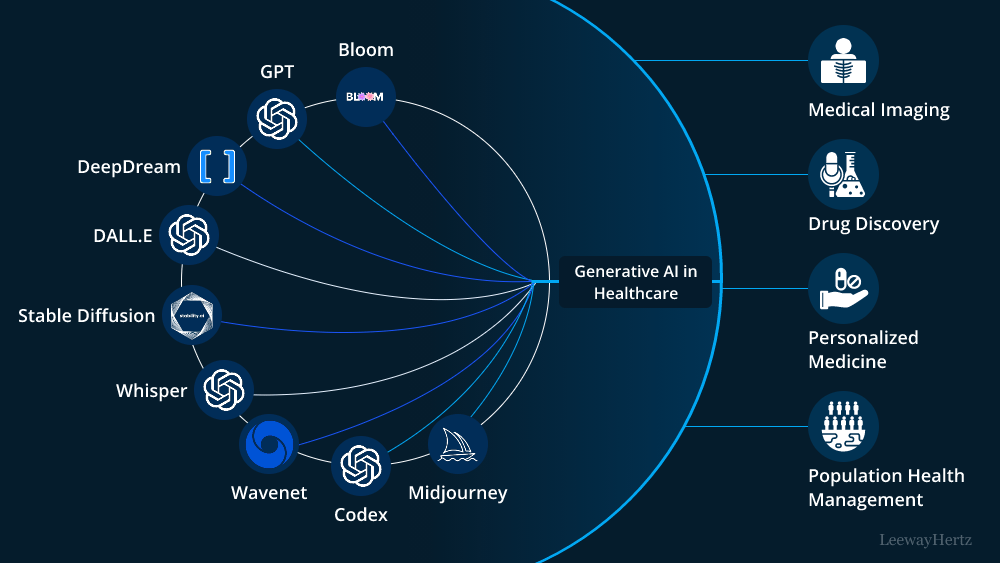
Use Cases of Generative AI in Healthcare

Generative Artificial Intelligence (AI) has revolutionized various industries, and healthcare is no exception. The ability of generative AI models to create, simulate, and generate data has opened up a plethora of use cases that enhance medical research, diagnosis, treatment, and patient care. This article highlights ten impactful use cases of generative AI in healthcare, showcasing how this technology is transforming the landscape of medicine.

  1. Medical Image Generation and Augmentation

Generative AI has been instrumental in generating synthetic medical images, such as X-rays, CT scans, and MRI scans. These synthetic images can be used to augment limited datasets, facilitating more robust training of machine learning algorithms for medical image analysis. This approach is particularly useful in cases where acquiring large datasets is difficult or where patient privacy concerns arise.

  1. Drug Discovery and Development

Generative AI is streamlining drug discovery processes by generating novel molecular structures and predicting their properties. AI models can predict molecular interactions, identify potential drug candidates, and optimize molecular structures, leading to faster and more cost-effective drug development pipelines.

  1. Personalized Medicine

Generative AI is enabling personalized medicine by analyzing patient data to predict individual responses to treatments. By considering genetic, environmental, and lifestyle factors, AI models can recommend personalized treatment plans tailored to each patient’s unique characteristics, enhancing treatment efficacy and reducing adverse effects.

  1. Disease Diagnosis and Prognosis

AI-powered generative models are revolutionizing disease diagnosis by analyzing patient symptoms, medical history, and imaging data. These models can help physicians make more accurate and timely diagnoses, leading to better patient outcomes. Additionally, generative AI is used for disease prognosis, predicting disease progression and potential complications.

  1. Virtual Patient Simulations

Generative AI has paved the way for realistic virtual patient simulations. These simulations enable medical students and healthcare professionals to practice complex procedures in a risk-free environment, enhancing their skills and decision-making capabilities.

  1. Medical Text Generation

AI-generated medical text is used to automate medical report writing, create patient summaries, and assist in electronic health record (EHR) management. This application saves time for healthcare professionals, allowing them to focus more on patient care.

  1. Psychological Therapy and Mental Health Support

Generative AI is making a significant impact in mental health support by creating chatbots and virtual assistants capable of providing counseling and therapeutic support. These AI-powered assistants can offer 24/7 availability, personalized interactions, and anonymity, making mental health support more accessible to a larger population.

  1. Drug Dosage Optimization

AI models can analyze patient data and recommend optimized drug dosages based on individual responses and other relevant factors. This approach improves medication safety and effectiveness, reducing the risk of adverse reactions.

  1. Medical Data Imputation

Generative AI can impute missing data in medical datasets, improving the quality of the information used for analysis and research. This capability helps researchers draw more accurate conclusions and make better-informed decisions based on complete data.

  1. Healthcare System Optimization

AI-powered generative models can analyze healthcare system data, such as patient flow, resource utilization, and waiting times, to optimize hospital operations and resource allocation. This optimization leads to improved efficiency, reduced costs, and better patient experiences.

Conclusion

Generative AI is transforming healthcare in numerous ways, from generating medical images to revolutionizing drug discovery and personalized medicine. As technology advances and AI models become more sophisticated, the potential for generative AI in healthcare seems limitless. However, it is essential to address ethical, privacy, and regulatory considerations to ensure responsible and secure implementation. As researchers and healthcare professionals continue to collaborate, the future of generative AI in healthcare holds the promise of better patient outcomes, more efficient medical practices, and ultimately, an improved healthcare system for all.

To Learn More:- https://www.leewayhertz.com/generative-ai-in-healthcare/

Standard

How to Implement an Action Transformer?

Artificial Intelligence (AI) has made significant advancements in natural language processing, computer vision, and many other domains. One of the remarkable achievements in the field of natural language processing is the development of transformer models, which have revolutionized tasks like language translation, text generation, and sentiment analysis. In recent times, researchers have extended the capabilities of transformer models to handle complex tasks by introducing action transformer models. In this article, we will explore what an action transformer model is and how to implement one.

Understanding Transformer Models

Before diving into action transformer models, let’s briefly understand the concept of transformer models. Transformer models are deep learning architectures that excel in capturing long-range dependencies in sequential data, making them highly suitable for natural language processing tasks. The transformer architecture utilizes self-attention mechanisms, enabling it to focus on different parts of the input sequence during processing. This attention mechanism allows transformers to outperform traditional recurrent neural networks (RNNs) on various sequential tasks.

What is an Action Transformer Model?

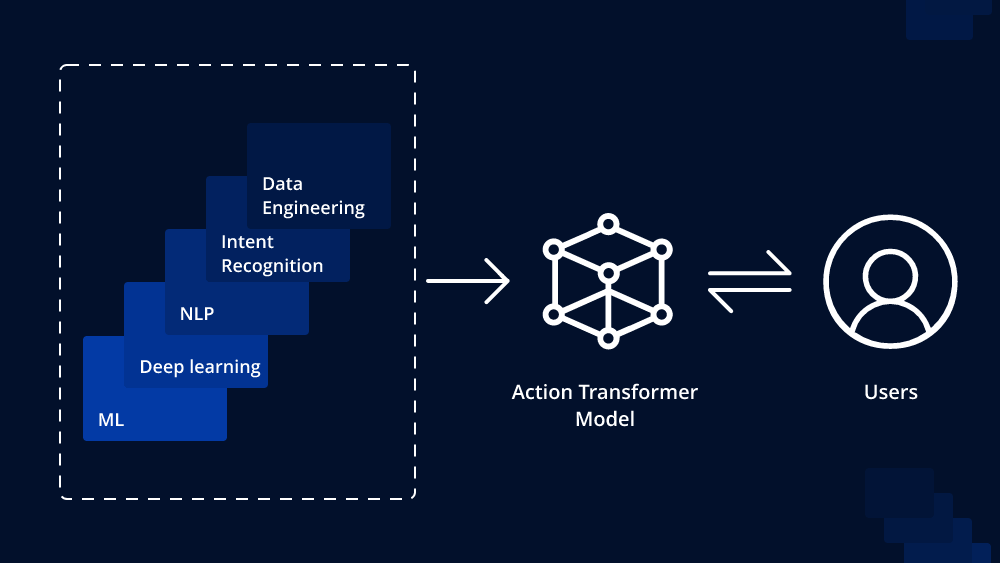
An action transformer model is an extension of the traditional transformer that incorporates the notion of actions or operations on items in a sequence. This extension makes it particularly useful for tasks involving step-by-step decision-making processes or those that involve interactions between elements in a sequence. Action transformers can be applied to a wide range of applications, including but not limited to dialogue systems, procedural text understanding, and algorithmic decision-making.

Key Components of an Action Transformer Model

  1. Sequence Encoding: Like the standard transformer, an action transformer starts by encoding the input sequence. This encoding step involves transforming each element of the input sequence into high-dimensional vectors, allowing the model to process them effectively.
  2. Action Representation: In an action transformer, actions are represented as special tokens added to the input sequence. These action tokens act as indicators to the model that a particular step or operation is being performed.
  3. Action Embedding: Action tokens are embedded into the model’s input using action embeddings. These embeddings are learned during the training process and provide the model with information about the actions being performed.
  4. Action Attention: The attention mechanism in an action transformer considers both the input sequence and the action embeddings. This enables the model to selectively attend to relevant elements of the input sequence based on the current action being performed.
  5. Action Decoding: After processing the sequence with the action embeddings, the action transformer generates outputs or predictions based on the interactions between the elements and the actions performed.

Implementing an Action Transformer

Now, let’s explore how to implement an action transformer. For this, we will use Python and the popular deep learning library PyTorch.

Step 1: Install Required Libraries

pip install torch
pip install transformers

Step 2: Import Libraries

import torch
from transformers import AutoTokenizer, AutoModelForSeq2SeqLM

Step 3: Load Action Transformer Model

model_name = "your-pretrained-action-transformer-model"
tokenizer = AutoTokenizer.from_pretrained(model_name)
model = AutoModelForSeq2SeqLM.from_pretrained(model_name)

Step 4: Prepare Input Sequence and Actions

sequence = "Your input sequence here"
actions = ["action_1", "action_2", "action_3"]

Step 5: Encode Input Sequence and Actions

input_text = " ".join([sequence] + actions)
inputs = tokenizer(input_text, return_tensors="pt")

Step 6: Generate Outputs

outputs = model.generate(**inputs)
generated_text = tokenizer.decode(outputs[0], skip_special_tokens=True)

Conclusion

Action transformer models are an exciting extension of the traditional transformer architecture, enabling the integration of actions into sequence processing. This added capability opens up new possibilities for complex natural language processing tasks that involve step-by-step decision-making or interactions between elements. By following the implementation guide provided above, researchers and developers can explore the power of action transformers and experiment with various applications in the realm of AI and NLP. With continuous advancements in transformer-based models, we can expect even more innovative approaches to tackle complex tasks in the future.

To Learn More:- https://www.leewayhertz.com/action-transformer-model/

Standard

Services of an AI Chatbot Development Company

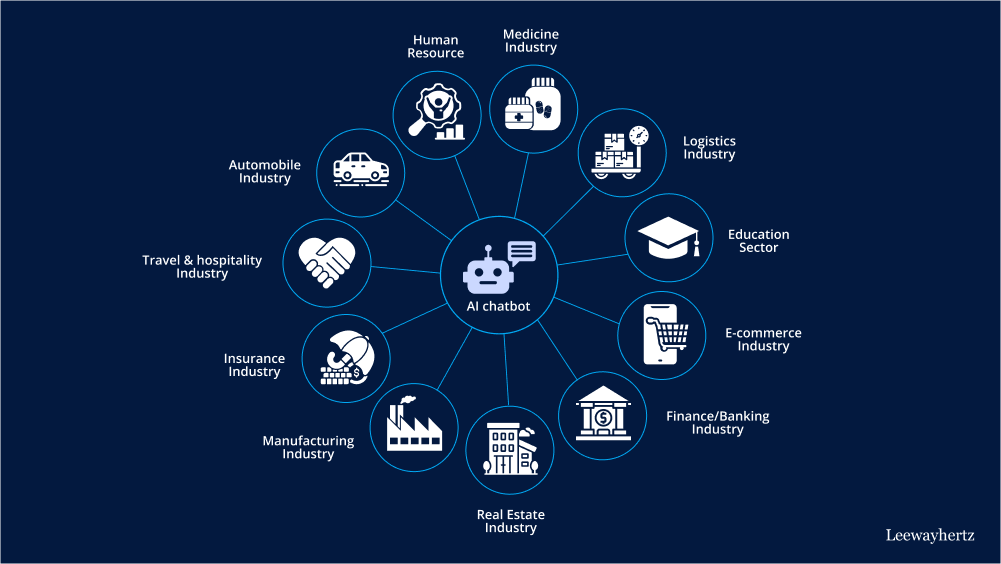
The rapid advancement of technology has transformed the way businesses interact with their customers. Among the groundbreaking innovations in the field of artificial intelligence (AI), chatbots have emerged as a revolutionary tool for enhancing customer engagement and improving operational efficiency. AI chatbot development companies play a pivotal role in creating intelligent conversational agents that cater to a wide range of industries. This article delves into the essential services offered by AI chatbot development companies and their impact on businesses.

  1. Custom AI Chatbot Development

AI chatbot development companies specialize in creating bespoke chatbot solutions tailored to meet the specific needs of individual businesses. They employ skilled AI developers, natural language processing (NLP) experts, and data scientists to build chatbots that understand user queries, provide accurate responses, and simulate human-like conversations. Custom chatbots are designed to align seamlessly with a company’s branding, tone, and customer service objectives, fostering a more personalized and satisfying user experience.

  1. Integration with Existing Platforms

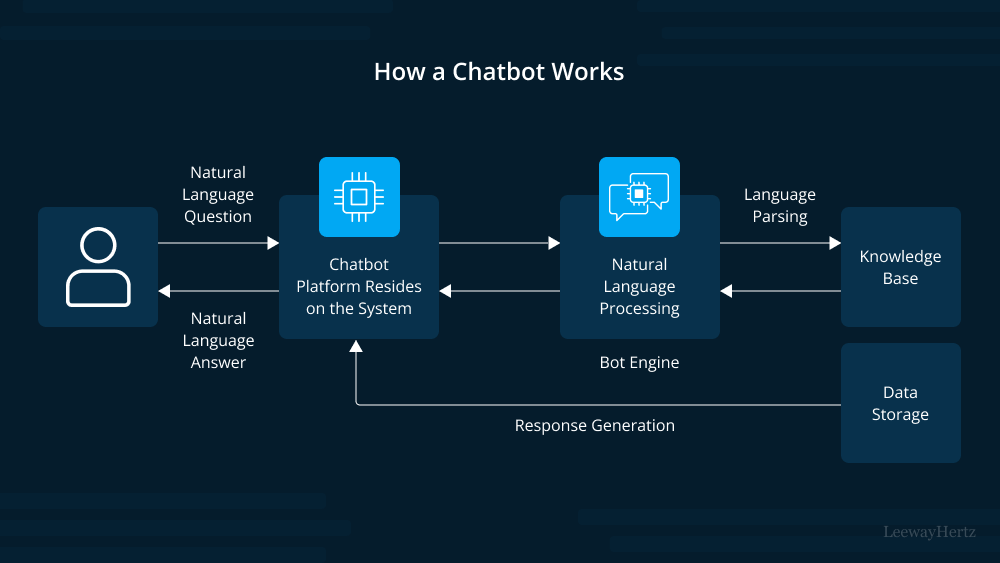
A proficient AI chatbot development company recognizes the importance of seamless integration with existing business systems. Whether it’s an e-commerce platform, a customer support ticketing system, or a knowledge base, these companies ensure that the chatbot effortlessly integrates into the business ecosystem. The integration allows the chatbot to access and retrieve relevant information, enabling it to provide customers with accurate and up-to-date answers to their inquiries.

  1. Natural Language Processing (NLP) Enhancement

Effective NLP is the foundation of a successful AI chatbot. Recognizing the importance of this aspect, AI chatbot development companies continuously work on improving their chatbots’ NLP capabilities. Advanced NLP enables chatbots to interpret user intent accurately and understand complex sentence structures, including slang, colloquialisms, and multiple languages. This enhancement significantly enhances the chatbot’s ability to deliver meaningful and contextually appropriate responses.

  1. Multichannel Deployment

Modern businesses interact with customers through various channels, such as websites, mobile apps, social media platforms, and messaging applications. A reliable AI chatbot development company equips its chatbots to operate across these multiple channels. By being available where the customers are, businesses can enhance their accessibility, customer service, and overall user experience.

  1. Chatbot Analytics and Reporting

In-depth analytics and reporting are crucial for businesses to understand their customers better and optimize their chatbot’s performance. AI chatbot development companies equip their solutions with robust analytics tools that track user interactions, popular queries, user satisfaction, and other essential metrics. This data-driven approach helps businesses make informed decisions, refine their chatbot’s responses, and identify areas for improvement.

  1. Continuous Learning and Improvement

The AI landscape is continually evolving, and so are customer preferences. Recognizing this, top-notch AI chatbot development companies incorporate machine learning algorithms into their solutions. These algorithms enable the chatbot to learn from each interaction and adapt its responses over time. By continuously improving, the chatbot can provide more accurate and relevant information to users, thereby enhancing customer satisfaction.

  1. Personalized User Experiences

Personalization is at the heart of modern customer service. AI chatbot development companies use data analytics and user behavior patterns to deliver personalized experiences. By understanding user preferences, purchase history, and interactions, chatbots can recommend products, suggest solutions, and tailor their responses to each user. This level of personalization fosters stronger customer engagement and loyalty.

  1. Round-the-Clock Customer Support

With the rise of global markets, businesses need to offer 24/7 customer support. AI chatbot development companies build chatbots capable of providing round-the-clock assistance, addressing customer queries, and offering support at any time of day or night. This uninterrupted service ensures that customers receive timely responses, leading to increased customer satisfaction and retention.

Conclusion

AI chatbot development companies offer a comprehensive suite of services designed to revolutionize customer interactions and streamline business operations. By providing custom chatbot development, seamless integration, advanced NLP, multichannel deployment, analytics, continuous learning, personalization, and round-the-clock support, these companies empower businesses to create more engaging, efficient, and customer-centric experiences. Embracing AI chatbot solutions is no longer an option but a necessity for companies aiming to stay competitive in the digital age.

To Learn More:- https://www.leewayhertz.com/ai-chatbot-development-company/

Standard

Generative AI Image Models: Exploring the Applications of Image Synthesis

In recent years, the field of artificial intelligence (AI) has witnessed remarkable advancements, especially in the domain of generative models. Among the various branches of generative AI, image synthesis has emerged as a captivating and versatile area, revolutionizing how images are generated, manipulated, and interpreted. These innovative generative AI image models have opened up new possibilities in numerous industries, ranging from creative arts to healthcare and beyond. In this article, we will delve into some of the fascinating applications of generative AI models for image synthesis.

1. Creating Photorealistic Images:

One of the most impressive feats of generative AI image models is their ability to generate photorealistic images. These models use large datasets to learn the intricate patterns and details found in real-world images. They can produce images that are remarkably similar to photographs, even though the scenes depicted might not have ever existed in reality. Such capabilities have found applications in the entertainment industry, where they are used to create lifelike characters and environments for video games and movies.

2. Artistic Style Transfer:

Generative AI image models can also be used for artistic style transfer. By leveraging deep learning techniques, these models can combine the content of one image with the style of another, resulting in a unique and visually appealing composition. Artists and designers find this application particularly fascinating, as it enables them to experiment with different visual styles and create novel artworks effortlessly.

3. Medical Imaging:

Image synthesis using generative AI models has shown great promise in the field of medical imaging. Medical professionals can use these models to generate high-resolution images of organs and tissues, aiding in the diagnosis of diseases and conditions. The ability to produce realistic medical images can also enhance medical training by providing a vast dataset of diverse cases for educational purposes.

4. Data Augmentation:

Data augmentation is a crucial technique in machine learning to increase the size and diversity of training datasets. Generative AI image models can be employed to generate new data points, thereby enriching the training data for various computer vision tasks. This can lead to more robust and accurate models for object recognition, segmentation, and other image-related tasks.

5. Image Super-Resolution:

Low-resolution images can be a challenge in certain applications, such as surveillance footage or historical photographs. Generative AI image models can be used for image super-resolution, where they upscale low-resolution images to higher resolutions, restoring lost details and improving overall image quality.

6. Virtual Fashion Try-On:

The fashion industry has also embraced generative AI image models for virtual try-on applications. Customers can upload images of themselves, and the models generate realistic images of the customers wearing various clothing items. This allows customers to virtually try on different outfits without physically being present in a store, leading to enhanced online shopping experiences.

7. DeepFakes and Ethical Considerations:

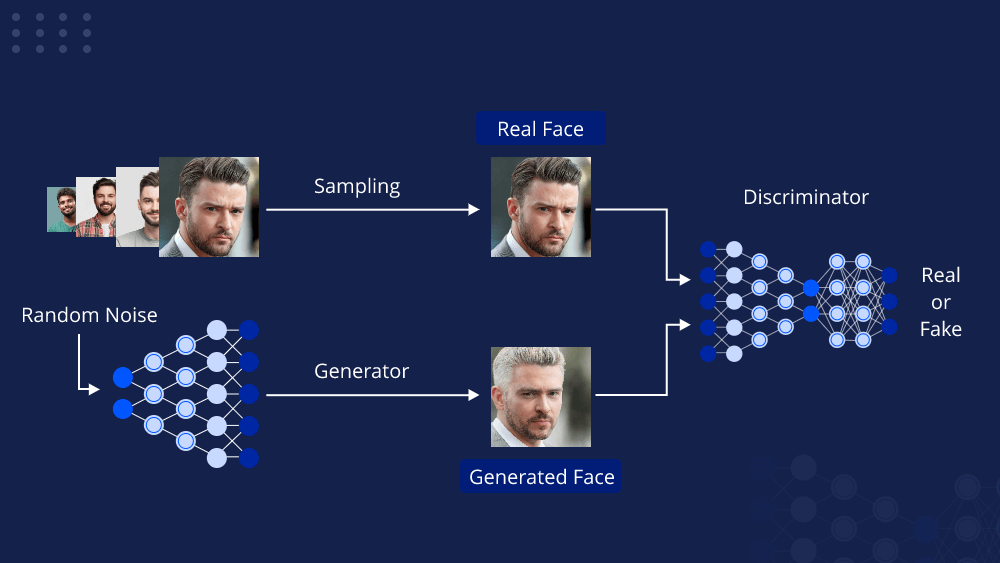
While generative AI image models have brought many positive applications, they have also raised concerns about ethical issues, particularly in the context of deepfakes. Deepfakes refer to manipulated images or videos created using AI, often with malicious intent. They can be used to spread misinformation, defame individuals, or create fraudulent content. As a result, researchers and policymakers are actively working on ways to detect and mitigate the negative impact of deepfakes.

In conclusion, generative AI image models have emerged as a powerful and transformative technology with a myriad of applications. From generating photorealistic images and creating artistic compositions to revolutionizing medical imaging and enhancing data augmentation, these models are shaping various industries. However, with great power comes great responsibility, and it is essential to approach their application ethically and responsibly to ensure that the benefits they offer are harnessed while mitigating potential risks. As technology continues to evolve, we can expect further innovations and exciting applications of generative AI image models.

To Learn More:- https://www.leewayhertz.com/a-guide-on-generative-ai-models-for-image-synthesis/

Standard

Services Offered by an Enterprise AI Chatbot Development Company

In the fast-paced and competitive business world, customer service has become a critical factor in maintaining a competitive edge. With the increasing demand for instant support and personalized interactions, enterprises are turning to AI chatbots to enhance their customer service capabilities. An Enterprise AI Chatbot Development Company plays a crucial role in creating intelligent, efficient, and scalable chatbots that streamline customer interactions and improve overall business operations. In this article, we will explore the various services offered by such companies to help businesses harness the power of AI-driven chatbots.

  1. Custom Chatbot Development

An Enterprise AI Chatbot Development Company offers tailored solutions to match the specific needs and objectives of each enterprise. They collaborate closely with their clients to understand their target audience, industry, and unique business processes. Leveraging cutting-edge AI technologies, the company builds intelligent chatbots that can handle a wide range of customer queries and provide personalized responses. These chatbots can integrate with existing CRM systems, databases, and other business tools, ensuring a seamless user experience.

  1. Natural Language Processing (NLP) Integration

To provide human-like conversational experiences, AI chatbots rely on Natural Language Processing (NLP) technology. An expert AI chatbot development company possesses the expertise to integrate sophisticated NLP algorithms into the chatbot’s core framework. This enables the chatbot to understand and interpret user queries accurately, regardless of variations in language, syntax, or context. As a result, customers can communicate with the chatbot effortlessly, fostering positive user experiences.

  1. Multi-channel Deployment

Modern consumers expect consistent and responsive customer service across various communication channels. A proficient AI chatbot development company enables enterprises to deploy their chatbots seamlessly across multiple platforms, including websites, mobile apps, social media, and messaging applications. By offering multi-channel deployment, businesses can engage with their customers wherever they prefer, boosting customer satisfaction and loyalty.

  1. Conversational Design

Creating an exceptional user experience involves more than just technology. A skilled chatbot development company emphasizes conversational design, which focuses on crafting natural and engaging conversations between the chatbot and users. Conversational designers study user behavior and preferences to create chatbot dialogues that feel intuitive, helpful, and enjoyable. The result is a chatbot that establishes strong connections with users, fostering long-lasting relationships.

  1. Continuous Learning and Improvement

The world of AI is dynamic, and customer preferences can change rapidly. To ensure that chatbots remain relevant and effective, a top-tier AI chatbot development company implements continuous learning algorithms. These algorithms allow chatbots to learn from user interactions and adapt their responses accordingly. By leveraging machine learning techniques, chatbots can improve over time, offering more accurate and relevant solutions to customers’ queries.

  1. Analytics and Insights

Measuring the performance and effectiveness of AI chatbots is essential for making data-driven business decisions. A reputable AI chatbot development company provides comprehensive analytics and insights into chatbot usage, user behavior, and frequently asked questions. This data empowers enterprises to identify trends, understand customer pain points, and optimize the chatbot’s performance continually.

  1. Security and Compliance

Data security and compliance are critical considerations when implementing AI chatbots in enterprise environments. A reliable chatbot development company ensures that robust security measures are in place to safeguard sensitive customer information. Additionally, they ensure compliance with relevant data protection regulations to instill trust and confidence in customers.

Conclusion

The services offered by an Enterprise AI Chatbot Development Company are instrumental in transforming customer service and operational efficiency for enterprises. From customized chatbot development and NLP integration to conversational design and continuous learning, these companies harness the power of AI to deliver exceptional user experiences. By leveraging AI-driven chatbots, enterprises can enhance customer interactions, reduce operational costs, and gain a competitive advantage in today’s fast-paced business landscape. As AI technology continues to evolve, partnering with a reputable AI chatbot development company becomes even more crucial for businesses seeking to thrive in the digital age.

To Learn More:- https://www.leewayhertz.com/enterprise-ai-chatbot-development/

Standard

What is a Transactional Chatbot and How Does It Operate?

In recent years, chatbots have become a prominent feature in the digital landscape, revolutionizing the way businesses interact with their customers. Among the various types of chatbots, the transactional chatbot stands out for its ability to facilitate and complete transactions seamlessly. This advanced form of artificial intelligence (AI) technology is designed to handle various tasks and transactions efficiently, offering users a convenient and personalized experience. In this article, we will explore what a transactional chatbot is and how it operates to enhance user engagement and streamline business operations.

Understanding Transactional Chatbots:

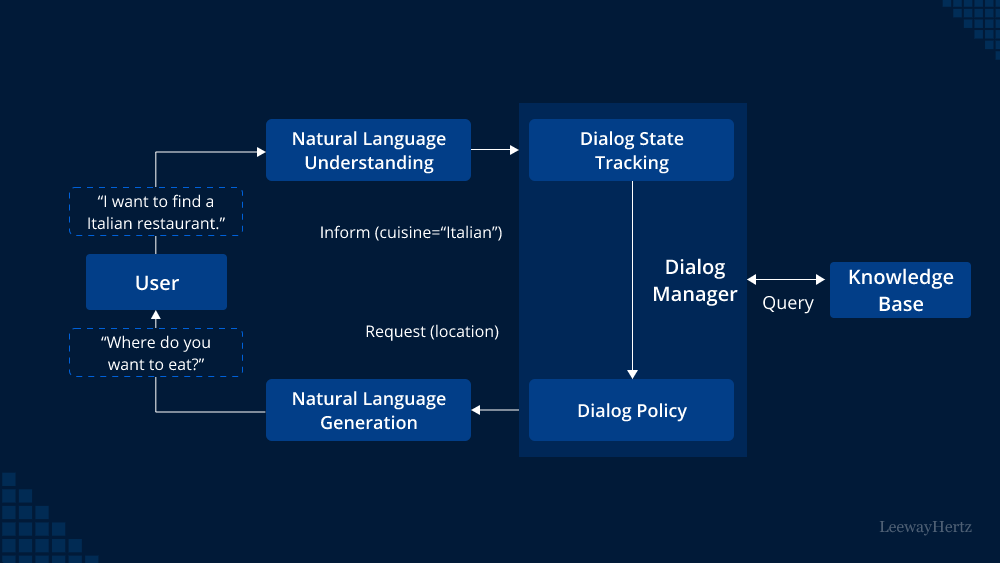
A transactional chatbot is an AI-powered conversational interface that is specifically designed to perform tasks and enable transactions for users. Unlike traditional chatbots that primarily focus on providing information or answering basic queries, transactional chatbots go a step further by offering a more interactive and functional experience. They act as virtual assistants capable of executing various tasks, such as making reservations, processing orders, scheduling appointments, and more. The primary goal of these chatbots is to guide users through the completion of a transaction from start to finish.

Operational Mechanics of Transactional Chatbots:

  1. Natural Language Processing (NLP): At the core of a transactional chatbot’s functionality lies Natural Language Processing (NLP). NLP enables the chatbot to understand and interpret user inputs in a way that mimics human conversation. This allows users to interact with the chatbot using natural language, making the communication process more intuitive and user-friendly.
  2. Intent Recognition: Transactional chatbots utilize sophisticated algorithms to recognize the intent behind the user’s messages accurately. By comprehending the user’s intent, the chatbot can determine the specific action required and proceed accordingly. For instance, if a user expresses the desire to book a table at a restaurant, the chatbot identifies the intent to make a reservation and initiates the process.
  3. Database Integration: To fulfill transactions successfully, transactional chatbots often integrate with databases and external systems. This integration allows the chatbot to access and retrieve information necessary to carry out tasks, such as retrieving product details or checking appointment availability. Seamless database integration ensures that the chatbot can provide up-to-date and relevant information to users.
  4. User Authentication and Security: For handling transactions that involve sensitive information, such as payment processing, user authentication and security are paramount. Transactional chatbots employ various security measures to ensure that user data remains protected and confidential. Techniques like encryption and two-factor authentication are commonly used to safeguard user information.
  5. Personalization and Contextual Understanding: Effective transactional chatbots focus on creating personalized user experiences. By analyzing past interactions and user data, the chatbot can tailor its responses and recommendations to match the user’s preferences and history. Contextual understanding enables the chatbot to remember previous conversations, making the overall interaction more coherent and efficient.
  6. Seamless Handover to Human Agents: While transactional chatbots can handle a wide array of tasks independently, there are instances where human intervention may be necessary. In such cases, a smooth transition or handover process is vital. Transactional chatbots are equipped to recognize situations where they may be unable to assist further and can seamlessly transfer the conversation to a human agent for continued support.

Benefits of Transactional Chatbots:

  1. Enhanced Customer Experience: Transactional chatbots provide a more interactive and user-centric experience, leading to higher customer satisfaction levels. The ability to complete tasks and transactions within the chat interface eliminates the need for users to navigate through multiple platforms or applications.
  2. 24/7 Availability: Unlike human agents, chatbots can operate round the clock, providing continuous support and assistance to users regardless of the time zone. This availability improves customer service and increases overall efficiency.
  3. Streamlined Operations: By automating repetitive and time-consuming tasks, transactional chatbots free up human agents to focus on more complex and strategic responsibilities. This streamlining of operations leads to improved productivity and cost savings for businesses.

Conclusion:

In conclusion, a transactional chatbot is an intelligent virtual assistant capable of handling various tasks and transactions. By leveraging advanced technologies such as Natural Language Processing, intent recognition, and database integration, these chatbots offer a personalized and seamless user experience. With their ability to operate 24/7 and streamline business operations, transactional chatbots have become indispensable tools for businesses looking to enhance customer engagement and improve overall efficiency. As AI technology continues to evolve, we can expect transactional chatbots to become even more sophisticated, further transforming the way we interact with businesses in the digital age.

To Learn More:- https://www.leewayhertz.com/train-transactional-chatbot-using-reinforcement-learning/

Standard

AI as a Service: Pioneering the Future of Artificial Intelligence

In recent years, the realm of technology has witnessed a revolutionary transformation with the rise of Artificial Intelligence (AI). This cutting-edge technology has infiltrated various industries, from healthcare and finance to marketing and manufacturing. However, the widespread integration of AI was not without its challenges, especially for businesses with limited resources and expertise in the field. This is where the concept of “AI as a Service” (AIaaS) emerges as a game-changer, leveling the playing field and allowing organizations of all sizes to harness the power of AI. In this article, we will explore the significance of AI as a Service, its benefits, and its impact on the future of AI adoption.

Understanding AI as a Service:

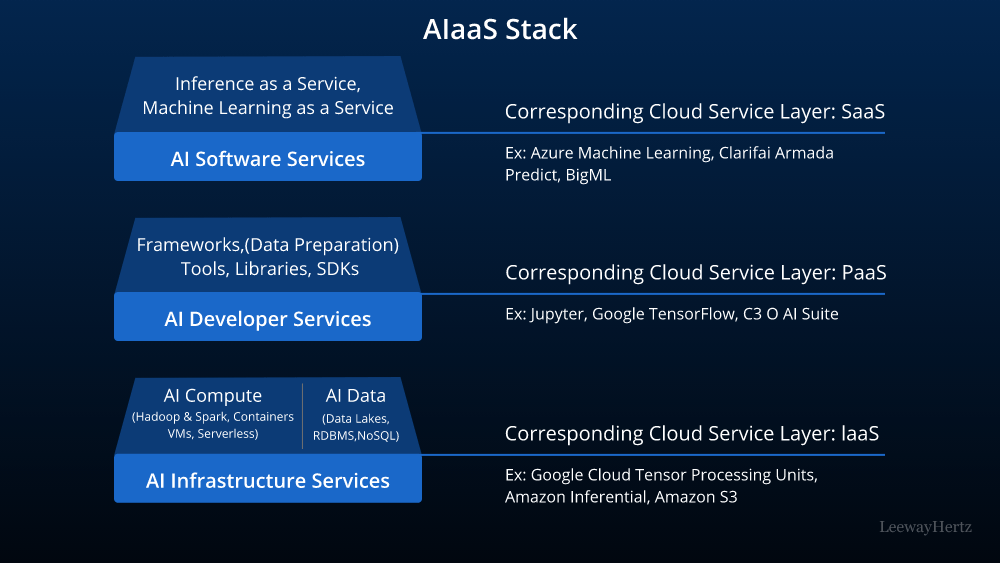
AI as a Service refers to the cloud-based delivery of AI solutions, applications, and tools to businesses, developers, and individuals. It allows users to access and utilize sophisticated AI capabilities without the need to invest heavily in infrastructure, AI research, or hiring specialized AI talent. Similar to Software as a Service (SaaS), AIaaS operates on a subscription-based model, enabling users to scale their AI usage as per their requirements. By outsourcing AI capabilities to specialized providers, companies can focus on their core competencies while still taking advantage of AI-driven insights.

The Benefits of AI as a Service:

  1. Cost-Effectiveness: Traditional AI implementation demands substantial upfront investments in hardware, software, and skilled personnel. AIaaS eliminates these initial costs, replacing them with a predictable subscription-based fee. This cost-effectiveness allows even small businesses and startups to adopt AI, democratizing access to advanced technology.
  2. Speed and Scalability: Integrating AI in-house can be time-consuming and resource-intensive. AIaaS solutions are readily available, allowing businesses to swiftly incorporate AI into their processes. Moreover, as a company’s AI needs grow, they can seamlessly scale their usage through the cloud-based services.
  3. Expertise and Support: AIaaS providers are experts in their field, possessing a deep understanding of AI technologies and applications. Businesses can leverage this expertise and receive ongoing support, ensuring efficient utilization and troubleshooting, thus avoiding potential setbacks.
  4. Flexibility: AI as a Service offers a wide range of AI tools and applications, catering to diverse industry requirements. From natural language processing and computer vision to predictive analytics, businesses can choose the specific AI services that align with their objectives.
  5. Reduced Risk: Implementing AI entails uncertainty and risks, especially for organizations with limited AI experience. AIaaS providers manage and mitigate these risks, ensuring data security, compliance with regulations, and staying up-to-date with the latest advancements.

Impact on the Future of AI Adoption:

AI as a Service plays a pivotal role in shaping the future landscape of AI adoption. Its accessibility and cost-effectiveness will lead to a broader integration of AI across industries, enabling even traditional sectors to embrace data-driven decision-making. As AIaaS becomes more prevalent, we can expect several significant impacts:

  1. AI Democratization: By eliminating entry barriers, AIaaS empowers a broader range of businesses to leverage AI’s capabilities. This democratization will drive innovation and competition, as more players can now participate in the AI revolution.
  2. Rapid Innovation: AIaaS providers are at the forefront of AI research and development. As they continue to refine and enhance their offerings, users can benefit from the latest AI advancements without investing in constant upgrades.
  3. New Business Models: AIaaS can lead to the emergence of entirely new business models and industries. Startups and entrepreneurs can build innovative AI-driven products and services on top of existing AI platforms, unlocking untapped market potential.
  4. Enhanced AI Collaboration: Collaboration between AIaaS providers and businesses will lead to new synergies. As AI providers gain insights into diverse industries, they can offer tailored solutions, further enhancing the value they bring to their customers.
  5. Ethical AI Implementation: As AI adoption spreads, so does the need for ethical considerations. AIaaS providers, through their expertise, can guide businesses in implementing AI responsibly, addressing concerns related to bias, privacy, and transparency.

Conclusion:

AI as a Service represents a significant paradigm shift, revolutionizing how organizations integrate AI into their operations. By offering cost-effective, scalable, and expert-driven solutions, AIaaS democratizes AI access and accelerates innovation across industries. As AI continues to evolve, AIaaS will play a crucial role in realizing the full potential of this transformative technology, paving the way for a smarter, more AI-driven future.

To Learn More:- https://www.leewayhertz.com/ai-as-a-service/

Standard

How to Build an AI-Powered Chatbot

Artificial Intelligence (AI) has transformed the way we interact with technology, and chatbots have become an integral part of modern communication systems. An AI-powered chatbot is a program that uses natural language processing and machine learning algorithms to simulate human-like conversations with users. Building an AI-powered chatbot might seem daunting, but with the right approach, tools, and knowledge, it can be an exciting and rewarding endeavor. In this article, we will provide a step-by-step guide on how to build an AI-powered chatbot.

Step 1: Define the Purpose and Scope

Before diving into development, it’s essential to clearly define the purpose and scope of your chatbot. Identify the specific tasks and interactions the chatbot will handle, the target audience, and the platform(s) on which it will be deployed. Understanding these aspects will help guide the design and development process.

Step 2: Choose a Development Framework

There are various AI frameworks and platforms available to build chatbots. Some popular ones include Dialogflow, Microsoft Bot Framework, IBM Watson, and Rasa. Choose a framework that aligns with your project’s requirements, programming expertise, and budget.

Step 3: Collect and Organize Data

Training an AI-powered chatbot requires a significant amount of data. Create or collect a dataset of sample conversations related to your chatbot’s purpose. These conversations will serve as training data to help the AI model understand user queries and respond appropriately.

Step 4: Design the Conversation Flow

Map out the conversation flow or chatbot dialogue. Consider the different user inputs and design the bot’s responses accordingly. Keep the conversation natural and engaging, ensuring that the chatbot understands and addresses various user intents.

Step 5: Implement Natural Language Processing (NLP)

NLP is at the core of any AI-powered chatbot. It enables the chatbot to comprehend user inputs and generate appropriate responses. Train your AI model with the collected dataset using the chosen framework’s NLP capabilities. This step is crucial for the chatbot to understand and interpret user intent accurately.

Step 6: Integrate Machine Learning (ML)

Machine learning plays a vital role in improving the chatbot’s performance over time. Implement ML algorithms that allow the chatbot to learn from real-time interactions and continuously enhance its responses.

Step 7: Test and Iterate

Testing is an integral part of building a successful chatbot. Conduct thorough testing to identify and fix any bugs, inconsistencies, or incorrect responses. Iterate and refine the chatbot based on user feedback and performance evaluations.

Step 8: Deploy the Chatbot

Once you are satisfied with the chatbot’s performance, it’s time to deploy it on your chosen platform(s). Whether it’s a website, a messaging app, or a standalone application, ensure that the deployment process is seamless and user-friendly.

Step 9: Monitor and Maintain

Building an AI-powered chatbot is not a one-time task. Regularly monitor the chatbot’s performance and user interactions to identify areas for improvement. Update the chatbot’s responses and algorithms to accommodate evolving user needs and preferences.

Step 10: Enhance User Experience with Additional Features

To make your chatbot stand out, consider adding extra features such as voice support, sentiment analysis, or integration with external services like payment gateways or databases. These additional features can enhance the overall user experience and make your chatbot more versatile.

Conclusion

Building an AI-powered chatbot is a fascinating journey that involves careful planning, development, and continuous improvement. With the right tools and techniques, you can create a powerful and user-friendly chatbot that enriches interactions with your target audience. Remember, as AI technology evolves, your chatbot should evolve too. Stay up-to-date with the latest advancements and keep refining your chatbot to deliver exceptional user experiences.

To Learn More:- https://www.leewayhertz.com/ai-chatbots/

Standard

AI Use Cases in Fashion

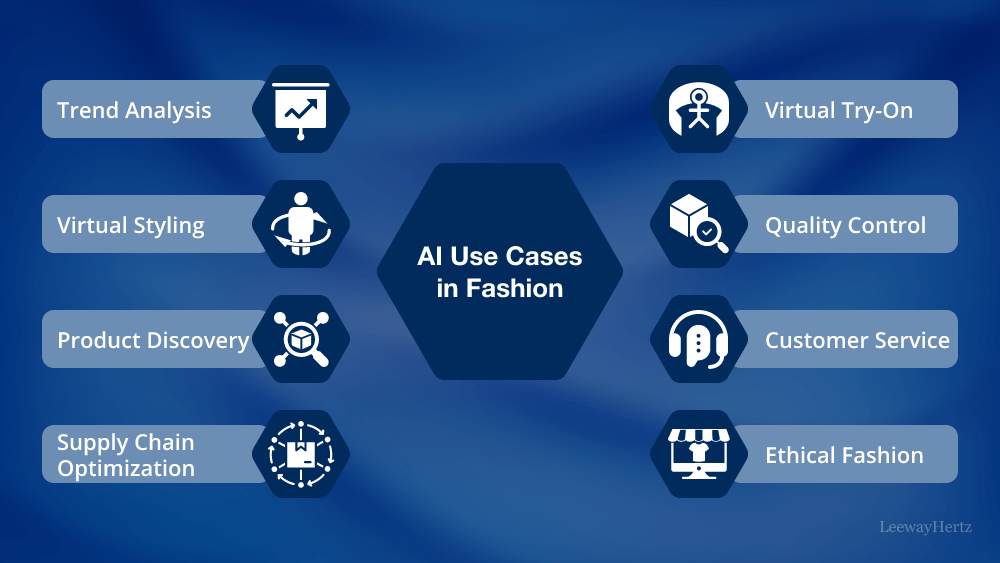
Artificial Intelligence (AI) has revolutionized various industries, and the world of fashion is no exception. With its ability to process vast amounts of data, recognize patterns, and make intelligent decisions, AI has opened up new possibilities in the fashion domain. From personalized shopping experiences to trend forecasting and design innovations, AI is reshaping the way the fashion industry operates. In this article, we will explore some of the key AI use cases in fashion.

1. Personalized Recommendations:
AI-powered recommendation engines analyze customer data, preferences, and behavior to provide personalized product suggestions. By leveraging machine learning algorithms, fashion retailers can offer tailored recommendations, increasing customer satisfaction and driving sales.

2. Virtual Stylists:
AI-driven virtual stylists help customers discover outfits that suit their body type, style preferences, and occasions. By using computer vision and deep learning techniques, these virtual stylists can create curated looks, saving time for shoppers and reducing returns.

3. Image and Visual Search:
AI enables visual search capabilities that allow users to find clothing items by simply uploading images or using pictures from the web. By analyzing the visual attributes of products, AI-powered systems can identify similar products in a retailer’s catalog, enhancing the user experience and simplifying the search process.

4. Supply Chain Optimization:
AI optimizes the fashion supply chain by predicting demand, improving inventory management, and streamlining logistics. By analyzing historical data and market trends, AI models can forecast demand more accurately, reducing overstock and minimizing stockouts.

5. Trend Forecasting:
AI algorithms can process vast amounts of social media, runway, and fashion-related data to predict upcoming trends. This helps designers and retailers stay ahead of the curve, ensuring that they offer products that align with the latest fashion preferences.

6. Automated Design and Creativity:
AI tools like Generative Adversarial Networks (GANs) can aid in automated design creation. By learning from existing designs, AI algorithms can generate new and innovative designs, inspiring designers and accelerating the design process.

7. Virtual Try-On:
AI-based virtual try-on technologies allow customers to visualize how clothing items will look on them without physically trying them on. These simulations use computer vision to map the garments onto a user’s body, providing an immersive and interactive shopping experience.

8. Customer Sentiment Analysis:
AI can analyze customer feedback, reviews, and social media comments to gauge sentiment and gather insights into customer preferences. This information can help brands improve their products and marketing strategies.

9. Sustainable Fashion:
AI contributes to sustainable fashion by optimizing production processes to reduce waste and energy consumption. Additionally, AI-powered tools can assist in identifying eco-friendly materials and designing more sustainable fashion collections.

10. Fraud Detection:
AI can be employed to detect and prevent fraud in online fashion retail. By analyzing customer behavior and transaction patterns, AI models can flag suspicious activities and protect both retailers and customers from fraudulent activities.

11. Pricing Optimization:
AI algorithms can dynamically adjust product prices based on various factors like demand, competition, and historical sales data. This helps fashion retailers optimize pricing strategies to maximize profits while remaining competitive in the market.

12. Influencer Marketing:
AI can identify and analyze social media influencers who align with a brand’s target audience. This aids fashion brands in forming effective partnerships with influencers to promote their products to the right audience.

13. Size Recommendation:
AI can assist customers in finding the right size by analyzing their body measurements and suggesting appropriate clothing sizes, reducing the number of returns due to size issues.

14. Runway Analytics:
AI-powered tools can analyze runway shows and extract valuable insights about emerging trends, designers, and fashion movements, providing valuable information for industry professionals.

15. Chatbots and Customer Support:
AI-driven chatbots provide instant customer support, answering queries, and addressing issues, thereby improving customer satisfaction and engagement.

In conclusion, AI has brought transformative changes to the fashion industry, enabling personalized experiences, optimizing processes, and unlocking innovative design possibilities. As technology continues to advance, we can expect AI to further enhance the fashion landscape, making it more customer-centric, sustainable, and efficient. Fashion brands that embrace AI’s potential will undoubtedly gain a competitive edge in this rapidly evolving industry.

To Learn More:- https://www.leewayhertz.com/ai-use-cases-in-fashion/

Standard