Harnessing AI in Management Consulting: A Path to Strategic Transformation

In today’s rapidly evolving business landscape, management consulting firms are increasingly turning to Artificial Intelligence (AI) to enhance their service offerings, drive innovation, and deliver greater value to clients. From data-driven insights to process optimization, AI is reshaping the way consulting firms operate and providing new avenues for strategic transformation. This article explores the role of AI in management consulting and its potential to revolutionize traditional consulting practices.

Data-Driven Decision Making:

    • Utilizing AI-powered analytics to extract actionable insights from vast amounts of data.
    • Predictive modeling and trend analysis to inform strategic decision-making and risk management.
    • Real-time monitoring of key performance indicators (KPIs) and business metrics for proactive intervention.

    Process Optimization and Efficiency:

      • Automation of repetitive tasks and workflows through robotic process automation (RPA) and cognitive technologies.
      • Streamlining business processes, supply chain management, and operational workflows for improved efficiency and cost savings.
      • Implementation of AI-driven workflow management systems to enhance collaboration and productivity.

      Strategic Planning and Market Intelligence:

        • AI-driven market research and competitive analysis to identify market trends, consumer preferences, and emerging opportunities.
        • Scenario planning and simulation modeling to evaluate potential outcomes and assess risk exposure.
        • Personalized strategic recommendations based on predictive analytics and machine learning algorithms.

        Client Engagement and Relationship Management:

          • AI-powered customer relationship management (CRM) systems for personalized client interactions and relationship building.
          • Natural language processing (NLP) and sentiment analysis to understand client feedback and enhance communication.
          • AI-driven chatbots and virtual assistants for round-the-clock client support and query resolution.

          Risk Management and Compliance:

            • AI-based risk assessment tools to identify and mitigate potential risks across various business functions.
            • Compliance monitoring and regulatory reporting using AI-driven solutions for enhanced accuracy and efficiency.
            • Ethical AI frameworks and governance structures to ensure transparency, fairness, and compliance with regulatory standards.

            Talent Development and Skills Enhancement:

              • AI-driven learning management systems (LMS) for personalized training and skills development programs.
              • Automated skills assessment and performance evaluation to identify training needs and optimize workforce capabilities.
              • Collaboration with AI experts and technology partners to upskill consultants and foster a culture of innovation.

              Future Outlook and Opportunities:

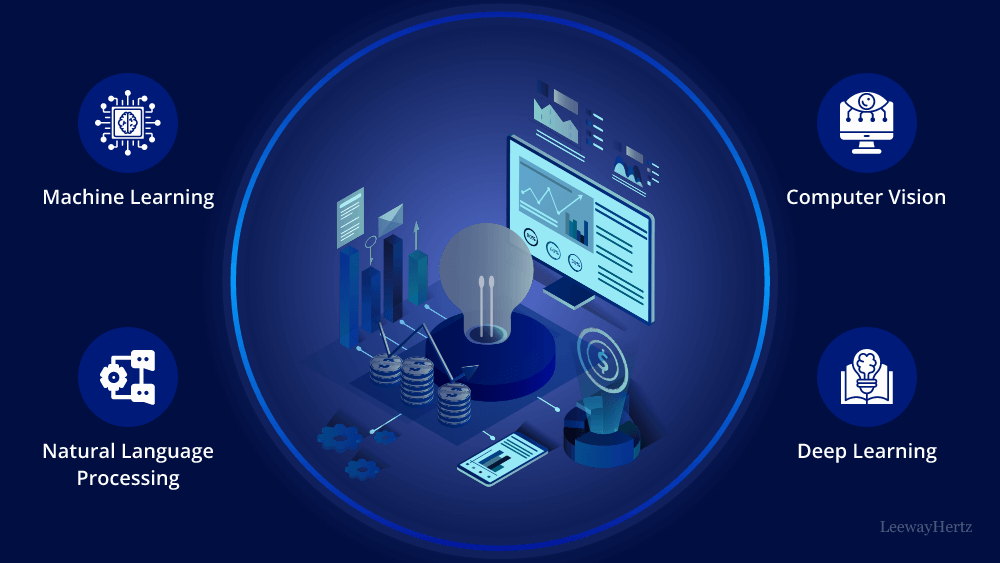
                • Continued integration of AI technologies such as machine learning, natural language processing, and computer vision into consulting practices.
                • Collaboration between consulting firms, technology providers, and industry stakeholders to drive innovation and thought leadership.
                • Embracing AI as a catalyst for organizational change and continuous improvement in the consulting industry.

                Conclusion:

                As management consulting firms navigate the complexities of the digital age, AI emerges as a powerful tool for driving strategic transformation and delivering value to clients. By harnessing the capabilities of AI in data analytics, process optimization, strategic planning, and client engagement, consulting firms can unlock new opportunities for growth, innovation, and competitive advantage in an increasingly dynamic marketplace. Embracing AI-driven solutions and cultivating a culture of innovation will be essential for consulting firms to thrive in the digital era and remain at the forefront of industry leadership.

                Standard

                Building Enterprise AI Solutions for Insurance: Driving Innovation and Efficiency

                In the insurance industry, the ability to leverage data effectively is key to remaining competitive and meeting evolving customer expectations. With the advent of artificial intelligence (AI) technologies, insurers have a unique opportunity to harness the power of data to drive innovation, improve decision-making, and enhance operational efficiency. Building enterprise AI solutions tailored to the specific needs of the insurance sector holds immense potential for transforming business processes, optimizing risk management, and delivering superior customer experiences.

                1. Data Integration and Management:

                The foundation of any successful AI solution in insurance is robust data integration and management. Insurance companies deal with vast amounts of structured and unstructured data, including policy information, claims data, customer demographics, and market trends. By implementing AI-driven data integration platforms, insurers can aggregate, clean, and analyze data from disparate sources, enabling a holistic view of risk exposure, customer behavior, and market dynamics.

                2. Predictive Analytics for Risk Assessment:

                Predictive analytics powered by AI algorithms enables insurers to assess risk more accurately and proactively. By analyzing historical data and identifying patterns and correlations, AI models can predict future claims frequency and severity, enabling insurers to adjust pricing, underwriting criteria, and risk mitigation strategies accordingly. Predictive analytics can also help insurers detect fraudulent claims, identify emerging risks, and optimize reserves and capital allocation.

                3. Personalized Underwriting and Pricing:

                AI enables insurers to move towards more personalized underwriting and pricing models tailored to individual customer profiles and risk profiles. Machine learning algorithms can analyze vast amounts of data, including medical records, credit scores, and behavioral data, to assess risk more accurately and offer customized insurance products and pricing options. Personalized underwriting and pricing not only enhance customer satisfaction but also improve risk selection and profitability for insurers.

                4. Claims Processing and Fraud Detection:

                AI-driven solutions can streamline claims processing and enhance fraud detection capabilities, improving operational efficiency and reducing claims leakage. Natural language processing (NLP) algorithms can analyze unstructured claims data, extract relevant information, and automate claims adjudication processes, reducing the time and resources required to settle claims. AI-powered fraud detection models can analyze claim patterns, anomalies, and behavioral indicators to flag potentially fraudulent claims for further investigation, enabling insurers to minimize losses and protect against fraudulent activities.

                5. Customer Service and Engagement:

                AI-powered virtual assistants and chatbots can enhance customer service and engagement by providing personalized assistance and support round-the-clock. Virtual assistants can answer customer inquiries, provide policy information, and guide customers through self-service options, improving responsiveness and accessibility. AI-driven sentiment analysis tools can also analyze customer feedback and social media interactions to identify trends, preferences, and areas for improvement, enabling insurers to enhance customer satisfaction and loyalty.

                6. Regulatory Compliance and Risk Management:

                AI can assist insurers in navigating complex regulatory requirements and managing compliance risks more effectively. AI-driven compliance solutions can analyze regulatory documents, interpret complex regulations, and identify areas of non-compliance, enabling insurers to mitigate regulatory risks and ensure adherence to legal and industry standards. Additionally, AI-powered risk management tools can assess and monitor enterprise-wide risks, including cybersecurity threats, market volatility, and operational risks, enabling insurers to make informed decisions and safeguard their business operations.

                In conclusion, building enterprise AI solutions for the insurance industry holds significant promise for driving innovation, efficiency, and competitiveness. By leveraging AI technologies such as predictive analytics, natural language processing, and virtual assistants, insurers can unlock valuable insights from data, optimize business processes, and deliver superior customer experiences. As AI continues to evolve, the future of insurance promises to be more data-driven, agile, and customer-centric, enabling insurers to adapt to changing market dynamics and seize new opportunities for growth and differentiation.

                Click here for more information : https://www.leewayhertz.com/ai-in-customer-support/

                Standard

                Unlocking the Power of AI: Consulting Services for Businesses

                In today’s rapidly evolving digital landscape, businesses across industries are increasingly turning to Artificial Intelligence (AI) to gain a competitive edge, optimize operations, and drive innovation. However, navigating the complexities of AI implementation requires specialized expertise and strategic guidance. This is where AI consulting services companies play a crucial role. In this article, we explore the key functions and offerings of AI consulting firms, as well as their significance in helping businesses harness the full potential of AI technologies.

                Introduction to AI Consulting Services Companies

                AI consulting services companies specialize in providing strategic guidance, technical expertise, and implementation support to businesses seeking to leverage AI technologies. These firms employ multidisciplinary teams of data scientists, machine learning engineers, domain experts, and consultants who collaborate with clients to develop tailored AI solutions that address their specific business challenges and objectives.

                Key Functions and Offerings

                1. Strategic Planning and Roadmapping: AI consulting firms work closely with clients to assess their business needs, identify AI opportunities, and develop comprehensive AI strategies aligned with their organizational goals. This includes defining use cases, setting strategic priorities, and creating roadmaps for AI adoption and implementation.
                2. Data Strategy and Governance: Data lies at the heart of AI initiatives, and AI consulting firms help clients develop robust data strategies, ensuring data quality, accessibility, and governance. This involves data assessment, cleansing, integration, and security measures to ensure the reliability and integrity of data used for AI-driven insights and decision-making.
                3. Machine Learning and AI Development: Leveraging expertise in machine learning algorithms, deep learning techniques, and natural language processing (NLP), AI consulting firms design and develop custom AI solutions tailored to clients’ specific business requirements. This includes building predictive models, recommendation systems, chatbots, and other AI applications to automate processes, enhance customer experiences, and unlock business value.
                4. Implementation and Integration: AI consulting firms support clients throughout the entire implementation lifecycle, from pilot projects and proof-of-concepts to full-scale deployment and integration with existing systems and workflows. This involves software development, deployment of AI models, API integration, and ongoing support and maintenance to ensure the successful adoption and integration of AI technologies into clients’ operations.
                5. Training and Capacity Building: Recognizing the importance of human capital in AI adoption, consulting firms provide training programs, workshops, and knowledge transfer sessions to upskill employees, foster a culture of data literacy, and empower organizations to leverage AI technologies effectively.

                Significance of AI Consulting Services

                AI consulting services companies play a pivotal role in helping businesses unlock the transformative potential of AI technologies. By providing strategic guidance, technical expertise, and implementation support, these firms enable organizations to overcome barriers to AI adoption, mitigate risks, and maximize the value of their AI investments. Moreover, AI consulting firms bridge the gap between technology and business, translating technical capabilities into tangible business outcomes and driving innovation across industries.

                Conclusion

                In an increasingly data-driven and AI-powered world, the role of AI consulting services companies is more critical than ever. By partnering with these firms, businesses can access the expertise, resources, and guidance needed to navigate the complexities of AI adoption, accelerate digital transformation, and stay ahead of the curve in today’s competitive marketplace. As AI continues to reshape industries and redefine the future of work, AI consulting services will remain essential catalysts for innovation, growth, and success in the digital age.

                Read more :

                https://www.leewayhertz.com/ai-consulting-services-company/

                Standard

                Unleashing the Power of AI Agents: A Deep Dive into AI Agent Development

                Artificial Intelligence (AI) agents, also known as intelligent agents, are at the forefront of technological innovation, transforming the way systems interact and make decisions. This article explores the significance of AI agents and emphasizes the crucial role played by AI Agent Development Companies in shaping intelligent, adaptive, and autonomous systems.

                Understanding AI Agents:

                1. Definition:
                  AI agents are software entities designed to perceive their environment, make decisions, and take actions to achieve specific goals. These agents leverage AI algorithms to analyze data, learn from experience, and adapt to changing circumstances, enabling them to operate autonomously in various applications.
                2. Autonomy and Adaptability:
                  AI agents exhibit a high degree of autonomy, allowing them to operate independently within defined parameters. Their adaptability stems from machine learning algorithms that enable them to adjust their behavior based on data patterns and changing conditions.
                3. Applications of AI Agents:
                  AI agents find applications in diverse fields, including robotics, healthcare, finance, customer service, and more. They can perform tasks ranging from data analysis and decision-making to real-time problem-solving, making them versatile tools for businesses and industries.

                The Role of AI Agent Development Companies:

                1. Customized Solutions:
                  AI Agent Development Companies specialize in creating customized AI agents tailored to specific business needs. These solutions are designed to address unique challenges, enhancing operational efficiency and providing a competitive edge.
                2. Advanced Algorithms:
                  Professional AI Agent Development Companies employ state-of-the-art AI algorithms to ensure that the developed agents possess advanced learning and decision-making capabilities. This involves leveraging techniques such as machine learning, natural language processing, and computer vision.
                3. Integration with Existing Systems:
                  Seamless integration with existing systems is crucial for the success of AI agents. Development companies ensure compatibility with different platforms, enabling organizations to enhance their operations without disrupting established workflows.
                4. Scalability and Performance:
                  AI Agent Development Companies build scalable solutions that can handle increasing data volumes and evolving requirements. This scalability ensures that AI agents can adapt to the growing needs of businesses while maintaining optimal performance.
                5. Continuous Improvement:
                  AI agents need to evolve over time to remain effective. Development companies provide ongoing support and updates, incorporating new technologies and methodologies to enhance the capabilities of AI agents and keep them at the forefront of innovation.

                Conclusion:

                As AI agents continue to redefine the landscape of automation and decision-making, the expertise of AI Agent Development Companies becomes increasingly vital. Businesses looking to leverage the benefits of AI agents must partner with development companies that offer customized solutions, advanced algorithms, seamless integration, scalability, and continuous improvement. The era of AI agents represents a paradigm shift in how systems operate, and organizations that embrace this transformative technology are poised to thrive in the ever-evolving digital landscape.

                Standard

                Transforming Finance: The Multifaceted Impact of AI Across various sectors

                The financial industry is undergoing a profound transformation with the integration of Artificial Intelligence (AI) across various domains. From revolutionizing wealth management to enhancing decision-making, ensuring financial compliance, and optimizing credit scoring, accounting, auditing, financial modeling, and planning, AI is reshaping the landscape of finance. In this article, we explore the diverse use cases of AI in finance and the significant impact it has across these critical aspects of the financial sector.

                AI in Wealth Management

                Wealth management is witnessing a paradigm shift with the infusion of AI technologies. AI in wealth management enables financial advisors to provide personalized, data-driven insights to clients. Machine learning algorithms analyze client profiles, financial goals, and market trends to optimize investment portfolios. The result is a more tailored and efficient wealth management strategy that aligns with individual client needs and market dynamics.

                AI in Decision Making

                AI is increasingly becoming a key player in decision-making processes within the financial sector. Advanced algorithms process vast amounts of data, identify patterns, and generate actionable insights. AI in decision making provides real-time data analysis, helping financial professionals make informed choices, mitigate risks, and capitalize on emerging opportunities. This data-driven approach enhances decision accuracy and agility in a rapidly changing financial landscape.

                AI in Financial Compliance

                Ensuring compliance with complex and evolving regulations is a critical challenge in finance. AI in financial compliance streamlines regulatory reporting, monitors transactions for suspicious activities, and automates compliance checks. Natural Language Processing (NLP) capabilities enable AI systems to interpret and analyze regulatory texts, ensuring that financial institutions adhere to the latest compliance standards efficiently and accurately.

                AI-Based Credit Scoring

                Credit scoring is a fundamental component of the lending process, and AI is revolutionizing this area. Machine learning algorithms analyze diverse data sources to assess an individual’s creditworthiness more comprehensively. AI-based credit scoring considers not only traditional credit data but also alternative data points, providing a more nuanced and accurate evaluation. This approach expands access to credit for individuals who may have limited traditional credit histories.

                AI in Accounting and Auditing

                The realm of accounting and auditing is experiencing increased efficiency and accuracy through the integration of AI. AI in accounting and auditing automates routine tasks such as data entry, reconciliation, and transaction categorization, reducing the risk of human error and speeding up processes. In auditing, AI algorithms analyze financial data to detect anomalies and patterns, facilitating more thorough and effective audits.

                AI in Financial Modeling

                AI in Financial modeling, a cornerstone of financial analysis, enhances these processes. Machine learning algorithms analyze historical financial data, market trends, and external factors to generate more accurate and dynamic financial models. This not only improves forecasting accuracy but also enables financial professionals to consider a broader range of variables, enhancing the robustness of financial models.

                AI in Financial Planning

                AI plays a transformative role in financial planning by providing more sophisticated and adaptive solutions. AI-driven financial planning tools analyze individual financial situations, goals, and market conditions to generate personalized plans. These plans evolve in real-time, adapting to changes in market dynamics and individual circumstances. AI in financial planning fosters a more agile and responsive approach to achieving financial goals.

                Conclusion

                The integration of AI into the various facets of finance is a game-changer, offering unparalleled efficiency, accuracy, and innovation. From personalized wealth management strategies to data-driven decision-making, streamlined financial compliance, advanced credit scoring, automated accounting and auditing processes, optimized financial modeling, and adaptive financial planning, AI is at the forefront of transforming the financial landscape.

                The financial industry is entering an era where the synergy between human expertise and AI capabilities is redefining traditional practices. Financial institutions that embrace and harness the power of AI across these use cases are not only optimizing their operations but also positioning themselves for a future where agility, accuracy, and innovation are paramount.

                Standard

                Unlocking Success: The Profound Benefits of AI in Trade Promotion Optimization

                In the dynamic landscape of today’s business world, companies are constantly seeking innovative ways to gain a competitive edge. Among the technological advancements that have significantly impacted the business realm, Artificial Intelligence (AI) stands out as a game-changer. In particular, AI has revolutionized trade promotion optimization, offering businesses unprecedented opportunities to enhance efficiency, maximize profitability, and elevate their market presence.

                1. Precision in Decision-Making:

                One of the primary benefits of incorporating AI into trade promotion optimization is its ability to analyze vast amounts of data with speed and precision. AI algorithms can process complex datasets, including historical sales data, market trends, and consumer behavior, to generate actionable insights. This precision allows businesses to make informed decisions, optimizing their trade promotions for maximum impact.

                1. Personalized Marketing Strategies:

                AI enables businesses to tailor their trade promotion strategies to individual customer preferences. By analyzing customer data, AI algorithms can identify patterns and trends, allowing companies to create personalized promotions that resonate with specific target audiences. This personalization not only enhances customer satisfaction but also boosts the effectiveness of trade promotions, resulting in higher conversion rates.

                1. Dynamic Pricing Optimization:

                Trade promotion optimization involves strategic pricing decisions, and AI excels in dynamic pricing models. By continuously analyzing market conditions, competitor pricing, and consumer behavior, AI algorithms can adjust pricing in real-time. This dynamic pricing optimization ensures that businesses remain competitive and responsive to market fluctuations, ultimately leading to increased revenue and profitability.

                1. Forecasting Accuracy:

                Accurate demand forecasting is critical for successful trade promotion planning. AI’s predictive analytics capabilities allow businesses to forecast demand with greater accuracy. By considering various factors such as seasonality, regional variations, and external influences, AI models provide more reliable forecasts. This enables companies to optimize inventory levels, reduce wastage, and enhance supply chain efficiency.

                1. Improved Inventory Management:

                AI plays a pivotal role in optimizing inventory management through demand forecasting and real-time data analysis. By aligning trade promotions with inventory levels, businesses can prevent stockouts and overstock situations. This results in streamlined operations, reduced carrying costs, and ensures that products are available when and where customers demand them.

                1. Enhanced Customer Engagement:

                Trade promotions are not only about driving sales but also about building lasting relationships with customers. AI helps businesses understand customer preferences and behavior, facilitating the creation of targeted promotions that resonate with their audience. This enhanced customer engagement not only boosts sales during promotions but also fosters brand loyalty over the long term.

                1. Continuous Improvement through Machine Learning:

                AI’s machine learning capabilities enable continuous improvement in trade promotion optimization strategies. As algorithms learn from historical data and performance metrics, they adapt and refine their recommendations over time. This iterative learning process ensures that trade promotions become increasingly effective, allowing businesses to stay ahead in the competitive market landscape.

                Conclusion:

                The benefits of incorporating AI into trade promotion optimization are vast and transformative. From precision in decision-making to dynamic pricing optimization and improved customer engagement, AI empowers businesses to navigate the complexities of the modern market. As companies embrace AI-driven solutions, they position themselves to not only survive but thrive in an era defined by innovation, data-driven insights, and unparalleled efficiency in trade promotion optimization.

                Standard

                The Evolution of AI in Architecture: Designing Tomorrow’s Spaces

                In an era of technological advancement, artificial intelligence (AI) has become an indispensable tool across various industries, and architecture stands at the forefront of this transformative wave. The integration of AI in architecture has redefined the way buildings are designed, constructed, and even experienced, ushering in a new era of innovation and efficiency.

                AI, with its ability to analyze vast amounts of data and perform complex tasks, has revolutionized the architectural landscape in numerous ways. One of the most significant impacts lies in the design phase. Traditionally, architects relied on their expertise and creativity to draft blueprints. However, AI-powered software has augmented their capabilities, allowing for more intricate designs and faster iterations. Machine learning algorithms can process immense datasets and generate design options based on parameters such as building materials, environmental factors, and structural integrity, enabling architects to explore a wider range of possibilities and optimize designs for functionality and sustainability.

                Moreover, AI facilitates the optimization of building performance. Energy efficiency has become a paramount concern in architecture, and AI plays a pivotal role in this aspect. Through predictive analytics and simulations, AI algorithms can model a building’s behavior under various conditions, predicting energy consumption and identifying areas for improvement. This not only reduces environmental impact but also lowers operational costs for building owners.

                Another area where AI shines in architecture is in construction management. Project delays and cost overruns are common challenges in construction, but AI-driven project management systems can mitigate these issues. These systems utilize data analytics to streamline workflows, manage resources efficiently, and even predict potential bottlenecks, allowing for better project scheduling and budgeting.

                Furthermore, AI has revolutionized the concept of smart buildings. These structures are equipped with sensors and AI systems that continuously collect and analyze data on occupancy, temperature, lighting, and more. This real-time analysis enables buildings to adapt to occupants’ needs, optimizing comfort and resource usage. For instance, AI-powered HVAC systems can adjust temperature settings based on occupancy patterns, significantly reducing energy waste.

                While the integration of AI in architecture offers remarkable benefits, it also poses certain challenges and ethical considerations. Issues related to data privacy, algorithm bias, and the dependency on technology require careful navigation and ethical guidelines to ensure responsible and equitable use of AI in architecture.

                Looking ahead, the future of AI in architecture appears promising. As AI technology continues to advance, architects and designers will harness its power to push the boundaries of creativity and functionality. Collaborations between architects and AI systems will lead to unprecedented designs that seamlessly blend aesthetics, sustainability, and technological innovation.

                In conclusion, the incorporation of AI in architecture has transcended traditional practices, empowering architects to envision, design, and construct structures that are not only aesthetically pleasing but also sustainable, efficient, and responsive to human needs. As this partnership between human creativity and technological prowess evolves, the architectural landscape stands on the cusp of a transformative era driven by AI.

                Standard

                The Transformative Power of AI for Enterprises: Revolutionizing Operations and Innovation

                In the era of rapid technological advancements, Artificial Intelligence (AI) stands out as a game-changer for enterprises across industries. From optimizing operations to revolutionizing customer experiences, AI for enterprises has become an indispensable tool driving efficiency, innovation, and competitiveness.

                Driving Operational Efficiency

                Enterprises face the constant challenge of maximizing efficiency while minimizing costs. AI has emerged as a solution by automating repetitive tasks, streamlining processes, and enabling predictive analytics.

                For instance, in manufacturing, AI-powered predictive maintenance systems can anticipate equipment failures, reducing downtime and enhancing productivity. In logistics, AI algorithms optimize route planning, minimizing delivery times and fuel consumption. These implementations not only save costs but also improve overall operational effectiveness.

                Enhancing Customer Experiences

                In today’s customer-centric market, delivering exceptional experiences is key to success. AI empowers enterprises to understand and cater to individual customer needs at scale. Through data analysis and machine learning, AI predicts customer preferences, allowing for personalized recommendations and targeted marketing campaigns.

                Chatbots and virtual assistants, fueled by AI, provide instantaneous and personalized support, enhancing customer satisfaction while reducing the burden on human resources. Natural Language Processing (NLP) enables sentiment analysis, allowing companies to gauge customer feedback and sentiments in real-time.

                Facilitating Innovation and Decision-Making

                AI facilitates innovation by augmenting human capabilities. Through advanced analytics and machine learning algorithms, enterprises gain deeper insights into market trends, enabling data-driven decision-making. AI-powered tools aid in product development, optimizing designs and functionalities based on user feedback and data analysis.

                Moreover, AI fosters creativity by automating repetitive tasks, freeing up human resources to focus on more strategic and inventive initiatives. This synergy between AI and human creativity drives innovation, fostering a culture of continuous improvement within enterprises.

                Challenges and Ethical Considerations

                Despite its transformative potential, AI adoption in enterprises is not without challenges. Data privacy concerns, ethical considerations, and the need for responsible AI deployment remain paramount. Ensuring transparency, fairness, and accountability in AI algorithms is crucial to maintain trust among customers and stakeholders.

                Additionally, there is a growing need for upskilling the workforce to leverage AI effectively. Enterprises must invest in training programs to enable employees to work collaboratively with AI systems, fostering a symbiotic relationship between human intelligence and AI capabilities.

                Conclusion

                Artificial Intelligence has become a cornerstone of enterprise transformation, revolutionizing operations, innovation, and customer experiences. Embracing AI not only enhances efficiency and productivity but also unlocks new realms of creativity and innovation.

                As enterprises navigate the evolving landscape, responsible AI adoption coupled with continuous upskilling will be imperative. The synergy between human expertise and AI capabilities will shape a future where enterprises thrive in a data-driven, innovative ecosystem.

                In essence, AI isn’t just a technological advancement; it’s a catalyst for the evolution of enterprises, enabling them to adapt, innovate, and thrive in an ever-changing business landscape.

                Standard