Artificial Intelligence (AI) agents, also known as intelligent agents, are at the forefront of technological innovation, transforming the way systems interact and make decisions. This article explores the significance of AI agents and emphasizes the crucial role played by AI Agent Development Companies in shaping intelligent, adaptive, and autonomous systems.
Understanding AI Agents:
Definition: AI agents are software entities designed to perceive their environment, make decisions, and take actions to achieve specific goals. These agents leverage AI algorithms to analyze data, learn from experience, and adapt to changing circumstances, enabling them to operate autonomously in various applications.
Autonomy and Adaptability: AI agents exhibit a high degree of autonomy, allowing them to operate independently within defined parameters. Their adaptability stems from machine learning algorithms that enable them to adjust their behavior based on data patterns and changing conditions.
Applications of AI Agents: AI agents find applications in diverse fields, including robotics, healthcare, finance, customer service, and more. They can perform tasks ranging from data analysis and decision-making to real-time problem-solving, making them versatile tools for businesses and industries.
The Role of AI Agent Development Companies:
Customized Solutions: AI Agent Development Companies specialize in creating customized AI agents tailored to specific business needs. These solutions are designed to address unique challenges, enhancing operational efficiency and providing a competitive edge.
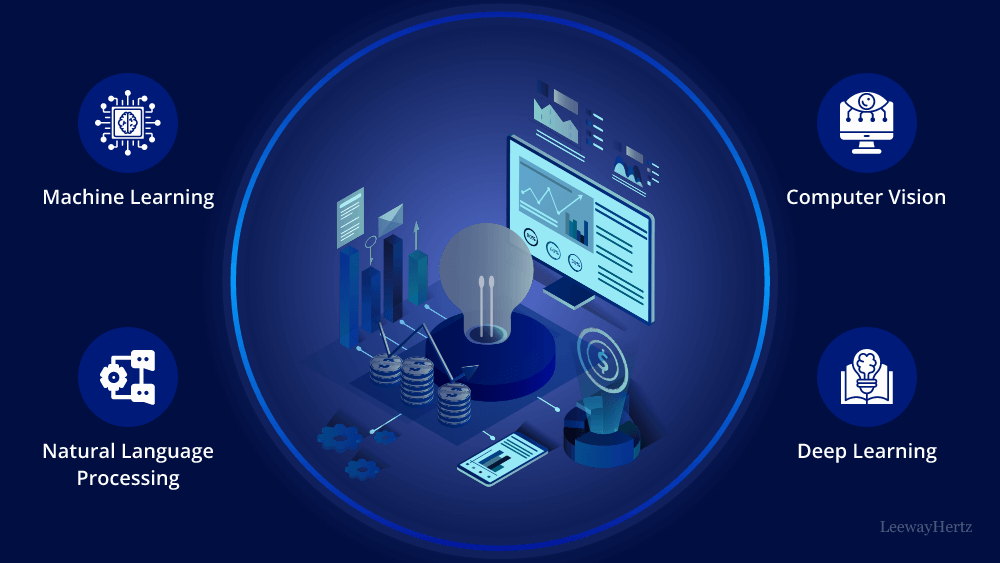
Advanced Algorithms: Professional AI Agent Development Companies employ state-of-the-art AI algorithms to ensure that the developed agents possess advanced learning and decision-making capabilities. This involves leveraging techniques such as machine learning, natural language processing, and computer vision.
Integration with Existing Systems: Seamless integration with existing systems is crucial for the success of AI agents. Development companies ensure compatibility with different platforms, enabling organizations to enhance their operations without disrupting established workflows.
Scalability and Performance: AI Agent Development Companies build scalable solutions that can handle increasing data volumes and evolving requirements. This scalability ensures that AI agents can adapt to the growing needs of businesses while maintaining optimal performance.
Continuous Improvement: AI agents need to evolve over time to remain effective. Development companies provide ongoing support and updates, incorporating new technologies and methodologies to enhance the capabilities of AI agents and keep them at the forefront of innovation.
Conclusion:
As AI agents continue to redefine the landscape of automation and decision-making, the expertise of AI Agent Development Companies becomes increasingly vital. Businesses looking to leverage the benefits of AI agents must partner with development companies that offer customized solutions, advanced algorithms, seamless integration, scalability, and continuous improvement. The era of AI agents represents a paradigm shift in how systems operate, and organizations that embrace this transformative technology are poised to thrive in the ever-evolving digital landscape.
In industrial settings, unplanned equipment downtime can lead to significant losses in productivity and revenue. The implementation of Artificial Intelligence (AI) in predictive maintenance has emerged as a powerful solution to address these challenges. This article explores the role of AI in predictive maintenance and emphasizes the importance of AI development services in creating effective and tailored solutions for optimizing equipment reliability.
The Significance of Predictive Maintenance:
Cost Reduction: Predictive maintenance utilizes AI algorithms to analyze historical and real-time data, predicting when equipment is likely to fail. By identifying potential issues in advance, businesses can schedule maintenance activities strategically, reducing downtime and avoiding costly emergency repairs.
Increased Equipment Lifespan: AI-driven predictive maintenance enables organizations to proactively address equipment issues, preventing further damage and extending the lifespan of critical assets. This not only reduces replacement costs but also maximizes the return on investment in industrial machinery.
Improved Operational Efficiency: With AI, organizations can optimize maintenance schedules based on actual equipment condition rather than predetermined intervals. This results in more efficient use of resources, minimizing unnecessary maintenance and ensuring that equipment is serviced when needed.
Enhanced Safety: Predictive maintenance contributes to a safer working environment by identifying potential safety risks associated with equipment failures. By addressing issues before they escalate, organizations can prevent accidents and create a safer workplace for employees.
Data-Driven Decision-Making: AI algorithms analyze vast amounts of data, providing insights into equipment performance and failure patterns. This data-driven approach enables informed decision-making, allowing organizations to continuously improve maintenance strategies and overall operational efficiency.
The Role of AI Development Services:
Customized Solutions: AI development services play a crucial role in creating tailored predictive maintenance solutions. These services enable businesses to design AI algorithms that align with the specific needs and characteristics of their industrial equipment.
Integration with IoT Devices: AI development services facilitate the integration of AI algorithms with Internet of Things (IoT) devices and sensors. This connectivity allows real-time data collection, enabling more accurate predictions and timely preventive actions.
Scalability and Adaptability: Professional AI development services ensure that predictive maintenance solutions are scalable and adaptable to changing operational requirements. As the industrial environment evolves, the AI system can be updated and expanded to accommodate new equipment and technologies.
Continuous Improvement: AI development services provide ongoing support for predictive maintenance systems. Regular updates and refinements ensure that the AI algorithms remain effective in detecting emerging issues and adapting to evolving conditions.
Conclusion:
AI in predictive maintenance is revolutionizing how industries manage their equipment, offering a proactive and data-driven approach to maintenance practices. Businesses that leverage AI development services can harness the full potential of predictive maintenance, creating customized solutions that align with their specific needs and operational goals. As AI technology continues to advance, the integration of predictive maintenance systems is set to become a standard practice for industries seeking to optimize efficiency, reduce costs, and ensure the reliability of their critical assets.
In today’s dynamic business landscape, efficient inventory management plays a crucial role in the success of any organization. Traditional methods of inventory control are becoming outdated, and businesses are turning towards cutting-edge technologies to streamline their operations. One such technology that has garnered significant attention is Artificial Intelligence (AI). AI, coupled with advanced development services, is transforming the way companies handle their inventory, bringing about unparalleled accuracy, speed, and cost-effectiveness.
AI in Inventory Management:
Demand Forecasting: AI algorithms analyze historical data, market trends, and other relevant factors to predict future demand accurately. This enables businesses to optimize their stock levels, reducing excess inventory and minimizing stockouts.
Real-time Monitoring: AI-powered sensors and devices continuously monitor inventory levels, providing real-time insights. This helps businesses to respond promptly to fluctuations in demand, preventing overstocking or stockouts.
Order Management: AI streamlines the order fulfillment process by automating tasks such as order processing and routing. This leads to faster order deliveries, improved customer satisfaction, and reduced manual errors.
Optimization of Supply Chain: AI algorithms optimize the entire supply chain by identifying inefficiencies and suggesting improvements. This results in reduced lead times, lower operational costs, and an overall improvement in supply chain performance.
Predictive Maintenance: AI can predict when equipment or machinery used in the inventory management process is likely to fail. This enables businesses to schedule maintenance proactively, minimizing downtime and avoiding disruptions in operations.
AI Development Services:
To harness the power of AI in inventory management, businesses often seek the assistance of AI development services. These services offer:
Custom AI Solutions: Tailored AI solutions to meet the specific needs of each business. Whether it’s demand forecasting, real-time monitoring, or predictive maintenance, AI development services create solutions that align with organizational goals.
Integration with Existing Systems: Seamless integration of AI into existing inventory management systems. This ensures a smooth transition without disrupting ongoing operations and allows businesses to leverage AI without overhauling their entire infrastructure.
Data Security and Compliance: Robust data security measures and compliance with industry regulations. AI development services prioritize the protection of sensitive data and ensure that the implemented solutions adhere to relevant legal standards.
Continuous Monitoring and Support: Ongoing monitoring of AI systems and prompt support in case of any issues. This ensures the reliability and effectiveness of AI applications over time.
Conclusion:
The integration of AI in inventory management, supported by AI development services, is revolutionizing how businesses handle their stock. By improving accuracy, efficiency, and responsiveness, AI is helping organizations stay competitive in an increasingly fast-paced market. As technology continues to advance, the synergy between AI and inventory management will likely play an even more significant role in shaping the future of supply chain operations. Businesses that embrace these innovations are well-positioned to thrive in the evolving landscape of modern commerce.
Keywords: AI in inventory management, AI development services, demand forecasting, real-time monitoring, order management, supply chain optimization, predictive maintenance, custom AI solutions, data security, compliance, continuous monitoring.
The integration of Artificial Intelligence (AI) into manufacturing processes has ushered in a new era of efficiency, cost-effectiveness, and optimization. This article delves into the innovative use cases of AI in predictive maintenance, inventory management, production planning, and procurement, showcasing how these applications are reshaping the landscape of manufacturing.
AI in Predictive Maintenance:
Predictive maintenance has emerged as a game-changer in the manufacturing sector, enabling companies to transition from reactive to proactive maintenance strategies. AI in predictive maintenance analyzes historical data, sensor inputs, and equipment conditions to predict potential failures before they occur. This not only minimizes downtime but also extends the lifespan of machinery.
By leveraging machine learning algorithms, manufacturers can identify patterns and anomalies in equipment behavior. This predictive capability allows for scheduled maintenance, reducing unplanned downtime and preventing costly breakdowns. The result is a significant increase in overall equipment effectiveness (OEE) and a substantial improvement in operational reliability.
AI in Inventory Management:
Efficient inventory management is crucial for manufacturing operations, and AI is at the forefront of transforming this aspect. AI in inventory management utilizes advanced algorithms to forecast demand, optimize stocking levels, and automate reorder processes. This not only reduces carrying costs but also ensures that materials are available when needed.
Real-time data analysis enables manufacturers to respond swiftly to changes in demand and market conditions. AI-driven inventory management systems can dynamically adjust reorder points, preventing stockouts and overstock situations. The result is improved cash flow, reduced holding costs, and increased customer satisfaction due to timely deliveries.
AI in Production Planning:
AI in production planning extends beyond traditional methods, offering dynamic and adaptive solutions. Machine learning algorithms analyze historical production data, market trends, and other variables to optimize production schedules. This leads to improved resource utilization, reduced lead times, and enhanced overall production efficiency.
By incorporating AI into production planning, manufacturers can achieve better alignment between supply and demand. This results in reduced production costs, minimized waste, and increased responsiveness to changing market dynamics. The adaptability of AI-driven production planning enables manufacturers to maintain a competitive edge in today’s fast-paced business environment.
AI in Procurement:
The procurement process is undergoing a transformation with the integration of AI technologies. AI streamlines the procurement lifecycle by automating routine tasks, such as vendor selection, order placement, and invoice processing. This not only saves time but also reduces human errors, resulting in cost savings and increased accuracy.
AI in procurement enhances decision-making by analyzing vast amounts of data to identify cost-saving opportunities, negotiate better contracts, and assess supplier performance. Predictive analytics can foresee potential disruptions in the supply chain, allowing manufacturers to proactively address issues and maintain a seamless flow of materials.
Conclusion:
As manufacturing embraces the digital age, AI continues to redefine and optimize various aspects of the industry. The use cases discussed—AI in predictive maintenance, inventory management, production planning, and procurement—demonstrate the transformative impact of these technologies on efficiency, cost-effectiveness, and overall competitiveness. Manufacturers that embrace and integrate AI into their processes are well-positioned to navigate the complexities of the modern manufacturing landscape and achieve sustainable success.
The financial industry is undergoing a profound transformation with the integration of Artificial Intelligence (AI) across various domains. From revolutionizing wealth management to enhancing decision-making, ensuring financial compliance, and optimizing credit scoring, accounting, auditing, financial modeling, and planning, AI is reshaping the landscape of finance. In this article, we explore the diverse use cases of AI in finance and the significant impact it has across these critical aspects of the financial sector.
AI in Wealth Management
Wealth management is witnessing a paradigm shift with the infusion of AI technologies. AI in wealth management enables financial advisors to provide personalized, data-driven insights to clients. Machine learning algorithms analyze client profiles, financial goals, and market trends to optimize investment portfolios. The result is a more tailored and efficient wealth management strategy that aligns with individual client needs and market dynamics.
AI in Decision Making
AI is increasingly becoming a key player in decision-making processes within the financial sector. Advanced algorithms process vast amounts of data, identify patterns, and generate actionable insights. AI in decision making provides real-time data analysis, helping financial professionals make informed choices, mitigate risks, and capitalize on emerging opportunities. This data-driven approach enhances decision accuracy and agility in a rapidly changing financial landscape.
AI in Financial Compliance
Ensuring compliance with complex and evolving regulations is a critical challenge in finance. AI in financial compliance streamlines regulatory reporting, monitors transactions for suspicious activities, and automates compliance checks. Natural Language Processing (NLP) capabilities enable AI systems to interpret and analyze regulatory texts, ensuring that financial institutions adhere to the latest compliance standards efficiently and accurately.
AI-Based Credit Scoring
Credit scoring is a fundamental component of the lending process, and AI is revolutionizing this area. Machine learning algorithms analyze diverse data sources to assess an individual’s creditworthiness more comprehensively. AI-based credit scoring considers not only traditional credit data but also alternative data points, providing a more nuanced and accurate evaluation. This approach expands access to credit for individuals who may have limited traditional credit histories.
AI in Accounting and Auditing
The realm of accounting and auditing is experiencing increased efficiency and accuracy through the integration of AI. AI in accounting and auditing automates routine tasks such as data entry, reconciliation, and transaction categorization, reducing the risk of human error and speeding up processes. In auditing, AI algorithms analyze financial data to detect anomalies and patterns, facilitating more thorough and effective audits.
AI in Financial Modeling
AI in Financial modeling, a cornerstone of financial analysis, enhances these processes. Machine learning algorithms analyze historical financial data, market trends, and external factors to generate more accurate and dynamic financial models. This not only improves forecasting accuracy but also enables financial professionals to consider a broader range of variables, enhancing the robustness of financial models.
AI in Financial Planning
AI plays a transformative role in financial planning by providing more sophisticated and adaptive solutions. AI-driven financial planning tools analyze individual financial situations, goals, and market conditions to generate personalized plans. These plans evolve in real-time, adapting to changes in market dynamics and individual circumstances. AI in financial planning fosters a more agile and responsive approach to achieving financial goals.
Conclusion
The integration of AI into the various facets of finance is a game-changer, offering unparalleled efficiency, accuracy, and innovation. From personalized wealth management strategies to data-driven decision-making, streamlined financial compliance, advanced credit scoring, automated accounting and auditing processes, optimized financial modeling, and adaptive financial planning, AI is at the forefront of transforming the financial landscape.
The financial industry is entering an era where the synergy between human expertise and AI capabilities is redefining traditional practices. Financial institutions that embrace and harness the power of AI across these use cases are not only optimizing their operations but also positioning themselves for a future where agility, accuracy, and innovation are paramount.
The financial industry is experiencing a profound transformation with the integration of Artificial Intelligence (AI). From wealth management and decision-making to financial compliance and credit scoring, AI is proving to be a game-changer, redefining traditional practices and paving the way for a more efficient and insightful financial landscape. In this article, we will explore key use cases of AI in finance, highlighting its impact on wealth management, decision-making, financial compliance, credit scoring, accounting and auditing, financial modeling, and financial planning.
AI in Wealth Management
Wealth management, traditionally a domain heavily reliant on human expertise, has witnessed a significant paradigm shift with the introduction of AI. The use of AI in wealth management brings several advantages:
a. Robo-Advisors: AI-powered robo-advisors analyze vast amounts of financial data and market trends to provide personalized investment advice. These automated platforms use algorithms to optimize portfolios, manage risk, and ensure that investment strategies align with individual client goals.
b. Portfolio Optimization: AI algorithms optimize investment portfolios by considering various factors such as risk tolerance, market conditions, and investment goals. This results in more strategic and diversified investment decisions, ultimately enhancing portfolio performance.
c. Personalized Financial Planning: AI tailors financial plans based on individual client profiles, taking into account income, expenses, goals, and risk tolerance. This personalized approach ensures that clients receive customized financial advice that aligns with their unique circumstances.
AI in Decision-Making
AI in decision-making within the financial sector is transformative, offering data-driven insights, risk assessments, and strategic guidance:
a. Predictive Analytics: AI leverages predictive analytics to analyze historical data, market trends, and economic indicators. This enables financial professionals to make informed decisions by anticipating future market movements and potential risks.
b. Algorithmic Trading: AI algorithms execute trades in real-time based on predefined parameters. This reduces the impact of human emotions on trading decisions and allows for rapid responses to market changes, leading to more efficient and effective trading strategies.
c. Cognitive Computing: AI systems, using natural language processing and machine learning, can analyze unstructured data, news, and social media sentiments to gauge market sentiment. This information provides valuable insights for decision-makers, helping them stay ahead of market trends.
AI in Financial Compliance
Ensuring compliance with ever-evolving financial regulations is a complex challenge. AI in financial compliance aids institutions in navigating this intricate landscape with the following applications:
a. Automated Regulatory Reporting: AI automates the process of compiling and generating regulatory reports. By continuously monitoring changes in regulations and adapting to new reporting requirements, AI ensures that financial institutions remain compliant.
b. Anti-Money Laundering (AML) and Know Your Customer (KYC) Compliance: AI enhances AML and KYC processes by analyzing vast datasets to identify suspicious transactions and verify customer identities. This not only improves the efficiency of compliance procedures but also strengthens efforts to combat financial crimes.
c. Risk Assessment: AI evaluates potential risks by analyzing financial transactions, market data, and other relevant information. This proactive approach allows financial institutions to identify and mitigate risks before they escalate, ensuring compliance with risk management regulations.
AI-Based Credit Scoring
Credit scoring is a pivotal component of the financial industry, and AI based credit scoring is revolutionizing the process with its data-driven and predictive capabilities:
a. Alternative Data Analysis: AI incorporates alternative data sources, such as social media activity, utility payments, and behavioral analytics, to assess creditworthiness. This widens the scope of information available for credit scoring, particularly beneficial for individuals with limited credit histories.
b. Predictive Modeling: AI-based credit scoring models utilize machine learning algorithms to analyze historical data and identify patterns. This enables more accurate predictions of future credit behavior, providing lenders with a more nuanced understanding of credit risk.
c. Real-time Credit Decisioning: AI allows for real-time assessment of credit applications, providing quick and accurate credit decisions. This speed is crucial, especially in scenarios such as online lending, where swift responses are essential for customer satisfaction.
AI in Accounting and Auditing
AI in accounting and auditing is transformative, automating routine tasks and enhancing the accuracy and efficiency of financial reporting:
a. Automated Data Entry and Validation: AI automates mundane tasks such as data entry and validation, reducing the risk of human error. This allows accounting professionals to focus on more complex aspects of financial reporting.
b. Fraud Detection: AI analyzes transaction patterns and identifies anomalies, enhancing fraud detection capabilities. This is particularly crucial for auditing processes, ensuring the accuracy and integrity of financial statements.
c. Continuous Monitoring: AI systems continuously monitor financial transactions and records, identifying discrepancies or irregularities. This proactive approach enhances the effectiveness of auditing processes by quickly flagging potential issues.
AI in Financial Modeling
AI in Financial modeling is a cornerstone of strategic decision-making and is elevated by AI’s ability to analyze vast datasets and generate accurate predictions:
a. Data Processing and Analysis: AI excels in processing large amounts of financial data quickly and accurately. This capability is invaluable for analyzing historical financial data, market trends, and other relevant information to create robust financial models.
b. Predictive Modeling: AI-driven financial models can analyze historical data to identify trends and make accurate predictions about future financial performance. This capability enables businesses to anticipate market changes, assess investment risks, and make well-informed decisions.
c. Risk Management: AI enhances risk management strategies within financial modeling by analyzing historical data and identifying potential risks. This is particularly beneficial in volatile market conditions, where quick responses to potential risks are essential.
AI in Financial Planning
AI in financial planning revolutionizes it by providing personalized, data-driven insights for individuals and businesses:
a. Goal-Based Planning: AI tailors financial plans based on specific goals, whether it’s saving for retirement, education, or major life events. This personalized approach ensures that financial plans align with individual aspirations and circumstances.
b. Scenario Analysis: AI enables scenario analysis by assessing various factors such as market conditions, economic trends, and investment performance. This allows for more comprehensive financial planning, considering multiple potential outcomes.
c. Dynamic Adjustments: AI-driven financial planning tools can dynamically adjust plans based on changes in income, expenses, or market conditions. This flexibility ensures that financial plans remain relevant and adaptable to evolving circumstances.
Conclusion
The integration of AI across various facets of the financial industry is ushering in an era of unprecedented efficiency, accuracy, and strategic decision-making. From wealth management to credit scoring, financial compliance to accounting and auditing, and financial modeling to financial planning, AI is transforming traditional practices and setting new standards for the finance sector. As organizations continue to embrace the potential of AI, the financial landscape is poised for further innovation, creating a future where the synergy of human expertise and artificial intelligence propels the industry toward new heights of success.
In the dynamic landscape of today’s business world, companies are constantly seeking innovative ways to gain a competitive edge. Among the technological advancements that have significantly impacted the business realm, Artificial Intelligence (AI) stands out as a game-changer. In particular, AI has revolutionized trade promotion optimization, offering businesses unprecedented opportunities to enhance efficiency, maximize profitability, and elevate their market presence.
Precision in Decision-Making:
One of the primary benefits of incorporating AI into trade promotion optimization is its ability to analyze vast amounts of data with speed and precision. AI algorithms can process complex datasets, including historical sales data, market trends, and consumer behavior, to generate actionable insights. This precision allows businesses to make informed decisions, optimizing their trade promotions for maximum impact.
Personalized Marketing Strategies:
AI enables businesses to tailor their trade promotion strategies to individual customer preferences. By analyzing customer data, AI algorithms can identify patterns and trends, allowing companies to create personalized promotions that resonate with specific target audiences. This personalization not only enhances customer satisfaction but also boosts the effectiveness of trade promotions, resulting in higher conversion rates.
Dynamic Pricing Optimization:
Trade promotion optimization involves strategic pricing decisions, and AI excels in dynamic pricing models. By continuously analyzing market conditions, competitor pricing, and consumer behavior, AI algorithms can adjust pricing in real-time. This dynamic pricing optimization ensures that businesses remain competitive and responsive to market fluctuations, ultimately leading to increased revenue and profitability.
Forecasting Accuracy:
Accurate demand forecasting is critical for successful trade promotion planning. AI’s predictive analytics capabilities allow businesses to forecast demand with greater accuracy. By considering various factors such as seasonality, regional variations, and external influences, AI models provide more reliable forecasts. This enables companies to optimize inventory levels, reduce wastage, and enhance supply chain efficiency.
Improved Inventory Management:
AI plays a pivotal role in optimizing inventory management through demand forecasting and real-time data analysis. By aligning trade promotions with inventory levels, businesses can prevent stockouts and overstock situations. This results in streamlined operations, reduced carrying costs, and ensures that products are available when and where customers demand them.
Enhanced Customer Engagement:
Trade promotions are not only about driving sales but also about building lasting relationships with customers. AI helps businesses understand customer preferences and behavior, facilitating the creation of targeted promotions that resonate with their audience. This enhanced customer engagement not only boosts sales during promotions but also fosters brand loyalty over the long term.
Continuous Improvement through Machine Learning:
AI’s machine learning capabilities enable continuous improvement in trade promotion optimization strategies. As algorithms learn from historical data and performance metrics, they adapt and refine their recommendations over time. This iterative learning process ensures that trade promotions become increasingly effective, allowing businesses to stay ahead in the competitive market landscape.
Conclusion:
The benefits of incorporating AI into trade promotion optimization are vast and transformative. From precision in decision-making to dynamic pricing optimization and improved customer engagement, AI empowers businesses to navigate the complexities of the modern market. As companies embrace AI-driven solutions, they position themselves to not only survive but thrive in an era defined by innovation, data-driven insights, and unparalleled efficiency in trade promotion optimization.
In recent years, the GenAI financial industry has witnessed a seismic shift in the integration of cutting-edge technologies, with Generative Artificial Intelligence (AI) emerging as a transformative force. Generative AI, leveraging machine learning techniques like Generative Adversarial Networks (GANs) and autoregressive models, has sparked a revolution in how financial institutions operate, analyze data, and serve customers.
Redefining Data Analysis and Prediction
One of the pivotal areas where Generative AI has left a profound impact is data analysis. Financial institutions deal with colossal volumes of data, and making sense of this information is crucial for decision-making. Generative models can simulate and generate synthetic data that mimics real-world scenarios, aiding in risk assessment, fraud detection, and market trend analysis. This ability to generate synthetic data allows for more robust modeling and scenario testing, reducing the reliance solely on historical data.
Enhanced Customer Experience
In the realm of customer service, Generative AI has reshaped interactions. Natural Language Processing (NLP) models, a subset of generative AI, enable chatbots and virtual assistants to converse with customers naturally, providing round-the-clock support, personalized recommendations, and swift issue resolution. These AI-driven assistants are adept at understanding complex queries and delivering tailored responses, augmenting customer satisfaction and engagement.
Risk Management and Fraud Detection
Mitigating risks and combating fraud are perennial challenges in the financial sector. Generative AI models have bolstered these efforts by analyzing patterns in transactions, detecting anomalies, and flagging potentially fraudulent activities in real-time. Moreover, these models continuously learn from new data, refining their ability to identify and prevent fraudulent behavior, thus fortifying security measures within banking systems.
Algorithmic Trading and Investment Strategies
Generative AI has disrupted traditional investment strategies by introducing algorithmic trading systems that leverage advanced predictive models. These systems analyze vast amounts of market data, identify patterns, and execute trades autonomously at speeds impossible for human traders. Additionally, generative models aid in creating innovative investment strategies, optimizing portfolios, and predicting market movements with greater accuracy.
Ethical Considerations and Challenges
While the potential of Generative AI in finance and banking is immense, ethical considerations and challenges persist. The generation of synthetic data raises concerns regarding privacy and security. Moreover, biases encoded in training data could inadvertently seep into generated outcomes, leading to skewed decisions. Regulatory frameworks and robust ethical guidelines are crucial to ensure responsible use and deployment of Generative AI in the financial domain.
Future Outlook
The trajectory of Generative AI in finance and banking is poised for further evolution. Advancements in deep learning architectures, reinforcement learning, and hybrid AI models will continue to refine predictive capabilities, enhance decision-making processes, and drive innovation across various financial services.
In conclusion, Generative AI stands as a game-changer in the finance and banking sectors, revolutionizing data analysis, customer experiences, risk management, and investment strategies. However, its integration necessitates a delicate balance between innovation and ethical considerations, urging stakeholders to navigate these advancements responsibly.
As financial institutions embrace the potential of Generative AI, a future where data-driven decision-making, personalized services, and robust security measures converge seems increasingly promising.
Building a GPT (Generative Pre-trained Transformer) model: a feat at the forefront of artificial intelligence and natural language processing. This intricate process combines cutting-edge technology, colossal datasets, and computational prowess to fashion a model capable of remarkable feats in understanding and generating human-like text.
The Data Journey: From Collection to Preprocessing
At the heart of a GPT model lies a vast reservoir of text data drawn from an array of sources spanning books, articles, websites, and more. This data, collected in copious amounts, undergoes meticulous preprocessing. It’s cleaned, tokenized, and formatted, readying it for the model’s voracious appetite for learning.
Architecting Intelligence: Training the GPT Model
The architecture of a GPT model is meticulously crafted, determining the intricate web of layers, attention mechanisms, and parameters. Training this mammoth model demands an exorbitant amount of computational muscle—GPU and TPU clusters bear the weight of this Herculean task. Iteratively adjusting millions of parameters, the model learns the nuances of language, predicting the next word in a sequence with uncanny accuracy.
Refinement and Customization: Fine-Tuning and Optimization
Once the foundation is laid, fine-tuning beckons. This stage involves training the model on domain-specific or task-specific data, tailoring its capabilities for specialized use cases. An ongoing pursuit of optimization refines the model’s performance, striving for efficiency and excellence.
The Crucible of Evaluation: Assessing GPT’s Prowess
The model’s mettle is tested and measured through stringent evaluations. Metrics like perplexity gauge its ability to predict text fluently, while qualitative assessments discern the quality of generated text. The model is put through its paces on unseen data, ensuring its adaptability and reliability.
Deploying Power: From Development to Real-World Use
A triumphant model is primed for deployment in diverse applications. However, this is merely the beginning—continuous monitoring, updates, and enhancements are crucial to maintain its prowess amidst ever-evolving language patterns and user needs.
Navigating the Challenges: Pioneering the Future of GPT Models
Yet, the journey isn’t without obstacles. Enormous computational demands pose accessibility barriers, while ensuring data quality and mitigating biases remain ongoing challenges. Ethical considerations surrounding responsible use and potential misuse cast a critical eye on these AI marvels.
In Conclusion: GPT Models as Harbingers of AI Evolution
The construction of a GPT model orchestrates a symphony of technological prowess and data finesse. Despite its complexities, it stands as a testament to humanity’s strides in AI and natural language processing. As these models continue to evolve, they promise unparalleled advancements and applications across industries, reshaping the very fabric of human-AI interaction.
In the era of rapid technological advancements, Artificial Intelligence (AI) stands out as a game-changer for enterprises across industries. From optimizing operations to revolutionizing customer experiences, AI for enterprises has become an indispensable tool driving efficiency, innovation, and competitiveness.
Driving Operational Efficiency
Enterprises face the constant challenge of maximizing efficiency while minimizing costs. AI has emerged as a solution by automating repetitive tasks, streamlining processes, and enabling predictive analytics.
For instance, in manufacturing, AI-powered predictive maintenance systems can anticipate equipment failures, reducing downtime and enhancing productivity. In logistics, AI algorithms optimize route planning, minimizing delivery times and fuel consumption. These implementations not only save costs but also improve overall operational effectiveness.
Enhancing Customer Experiences
In today’s customer-centric market, delivering exceptional experiences is key to success. AI empowers enterprises to understand and cater to individual customer needs at scale. Through data analysis and machine learning, AI predicts customer preferences, allowing for personalized recommendations and targeted marketing campaigns.
Chatbots and virtual assistants, fueled by AI, provide instantaneous and personalized support, enhancing customer satisfaction while reducing the burden on human resources. Natural Language Processing (NLP) enables sentiment analysis, allowing companies to gauge customer feedback and sentiments in real-time.
Facilitating Innovation and Decision-Making
AI facilitates innovation by augmenting human capabilities. Through advanced analytics and machine learning algorithms, enterprises gain deeper insights into market trends, enabling data-driven decision-making. AI-powered tools aid in product development, optimizing designs and functionalities based on user feedback and data analysis.
Moreover, AI fosters creativity by automating repetitive tasks, freeing up human resources to focus on more strategic and inventive initiatives. This synergy between AI and human creativity drives innovation, fostering a culture of continuous improvement within enterprises.
Challenges and Ethical Considerations
Despite its transformative potential, AI adoption in enterprises is not without challenges. Data privacy concerns, ethical considerations, and the need for responsible AI deployment remain paramount. Ensuring transparency, fairness, and accountability in AI algorithms is crucial to maintain trust among customers and stakeholders.
Additionally, there is a growing need for upskilling the workforce to leverage AI effectively. Enterprises must invest in training programs to enable employees to work collaboratively with AI systems, fostering a symbiotic relationship between human intelligence and AI capabilities.
Conclusion
Artificial Intelligence has become a cornerstone of enterprise transformation, revolutionizing operations, innovation, and customer experiences. Embracing AI not only enhances efficiency and productivity but also unlocks new realms of creativity and innovation.
As enterprises navigate the evolving landscape, responsible AI adoption coupled with continuous upskilling will be imperative. The synergy between human expertise and AI capabilities will shape a future where enterprises thrive in a data-driven, innovative ecosystem.
In essence, AI isn’t just a technological advancement; it’s a catalyst for the evolution of enterprises, enabling them to adapt, innovate, and thrive in an ever-changing business landscape.




 Jasper's Business Blog