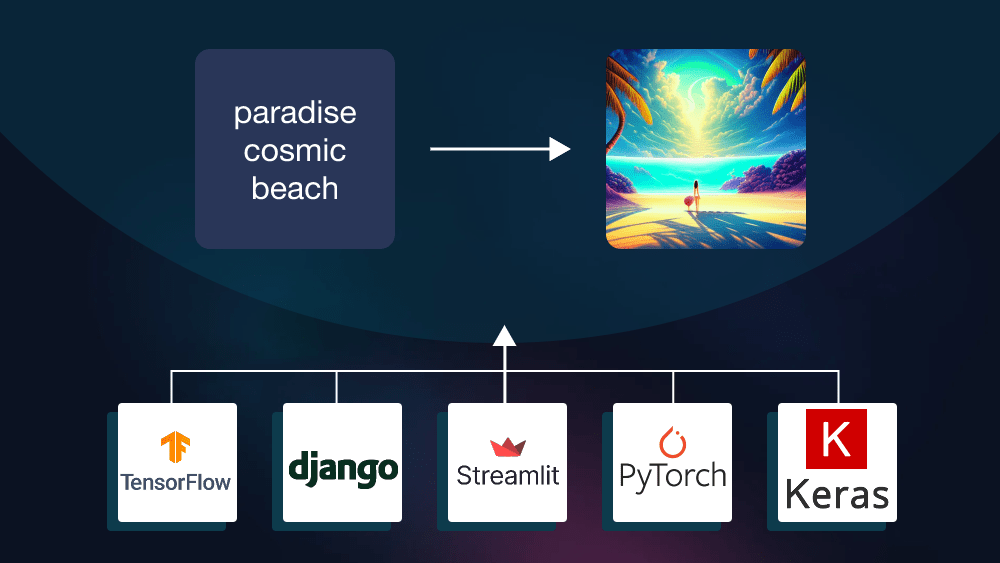
Unlocking the Potential of Generative AI Development: An Introduction

In the rapidly evolving landscape of AI development and consulting, one area that has captured the imagination of researchers, businesses, and creative minds alike is Generative AI. It’s a field that is pushing the boundaries of what machines can create, and it holds immense promise across various industries. In this article, we will embark on a journey into the exciting world of Generative AI development and consulting, exploring its fundamentals, applications, and significance in today’s technology-driven world.
I. Understanding Generative AI: The Foundation

Before we dive into the specifics, let’s start with the basics. Generative AI is a subset of artificial intelligence that focuses on the creation of content by machines. Unlike traditional AI systems that rely on explicit rules and human-generated data, generative models can produce content autonomously. They have the ability to generate text, images, music, and even videos that, in many cases, are indistinguishable from those created by humans.

Generative AI achieves this feat through the use of neural networks, a concept inspired by the structure of the human brain. Neural networks consist of interconnected nodes, or artificial neurons, that process information in a way that allows them to learn patterns and make predictions. This ability to learn and create is at the heart of generative models.

II. Generative AI Applications: Beyond Imagination

One of the remarkable aspects of Generative AI is its wide range of applications, spanning across numerous domains. Let’s explore some of the most noteworthy areas where Generative AI is making a significant impact.

a. Creative Content Generation

  • Imagine an AI system that can compose music in the style of Mozart or paint artworks reminiscent of Van Gogh. Generative AI has made such creative feats possible. It enables the generation of art, music, and literature that can rival the works of human creators.

b. Image and Video Synthesis

  • In the world of image and video synthesis, Generative AI has transformed the gaming and entertainment industries. It can create realistic, high-resolution images and videos, opening up possibilities for realistic virtual environments and characters.

c. Natural Language Processing (NLP)

  • In the realm of NLP, Generative AI has given rise to advanced chatbots and language models. These models can generate human-like text, making them invaluable in customer service, content generation, and even creative writing.

d. Healthcare

  • Generative AI is aiding medical professionals by generating synthetic data for research and training purposes. It can also assist in medical image analysis, generating detailed reports from scans and helping in early disease detection.

e. Data Augmentation

  • In data-driven fields like machine learning, Generative AI is used for data augmentation. It can generate synthetic data to expand small datasets, improving the performance of machine learning models.

III. The Significance of Generative AI in AI Development

Why is Generative AI development so significant in the world of AI? The answer lies in its potential to transform industries, disrupt traditional processes, and open up new avenues for innovation. Here are some key reasons why Generative AI is a must-know for AI developers and consultants:

a. Efficiency and Automation

  • Generative AI can automate tasks that were previously time-consuming and labor-intensive. This automation not only saves time but also reduces the potential for human errors.

b. Creativity Amplification

  • By harnessing Generative AI, businesses and individuals can amplify their creative capabilities. It can assist in generating content at scale, helping marketers, artists, and writers reach wider audiences.

c. Data Enhancement

  • For AI developers, Generative AI offers a way to enhance and expand datasets, which is crucial for training robust machine learning models. This leads to improved AI system performance.

d. Personalization

  • Generative AI can create highly personalized content and recommendations. This is invaluable for businesses looking to provide tailored experiences to their customers.

IV. Real-World Examples of Generative AI Success Stories

To illustrate the impact and potential of Generative AI, let’s explore a few real-world examples where it has already made significant contributions:

a. DeepArt.io

  • DeepArt.io is an online platform that uses Generative AI to transform photos into famous art styles. It allows users to turn their ordinary photos into masterpieces reminiscent of famous painters.

b. OpenAI’s GPT-3

  • OpenAI’s GPT-3 (Generative Pre-trained Transformer 3) is a language model that has taken the NLP world by storm. It can generate coherent and contextually relevant text, making it a versatile tool for content generation, chatbots, and more.

c. NVIDIA’s StyleGAN

  • NVIDIA’s StyleGAN has set new standards for generating realistic images of human faces. It has been used in various applications, including the creation of deepfake videos and improving facial recognition technology.

V. Generative AI Consulting: Navigating the Opportunities

As Generative AI continues to evolve and find applications across diverse industries, it has created a growing demand for AI consulting services. AI consultants play a pivotal role in helping businesses leverage the power of Generative AI. Here are some key aspects to consider:

a. Customization

  • AI consultants assess a client’s specific needs and customize Generative AI solutions accordingly. This might involve fine-tuning existing models or creating new ones from scratch.

b. Integration

  • Integrating Generative AI into existing workflows and systems can be complex. Consultants facilitate this process, ensuring seamless integration and minimal disruptions.

c. Ethical Considerations

  • Generative AI raises ethical concerns, particularly in the context of deepfakes and biased content generation. Consultants must navigate these issues and help clients develop responsible AI strategies.

d. Training and Support

  • AI consultants provide training and ongoing support to ensure that clients can effectively use Generative AI tools and solutions.

VI. The Future of Generative AI Development

The journey into Generative AI development and consulting is just beginning. As we look ahead, it’s clear that this field will continue to evolve rapidly. Here are some key trends and developments to watch for in the future:

a. Improved Realism

  • Generative AI models will become even more adept at creating content that is virtually indistinguishable from human-made content, leading to new opportunities in entertainment, marketing, and more.

b. Enhanced Personalization

  • Generative AI will enable hyper-personalized experiences in various industries, from e-commerce to healthcare, as it becomes more skilled at understanding individual preferences.

c. Ethical Advancements

  • As concerns over ethical issues grow, Generative AI will see advancements in ethical guidelines, content verification mechanisms, and safeguards against misuse.

d. Cross-Domain Applications

  • Generative AI will find applications across diverse domains, including scientific research, design, and education, as it continues to break down barriers between different fields.

VII. Conclusion: Embracing Generative AI’s Potential

Generative AI development and consulting are at the forefront of technological innovation. Understanding the fundamentals, applications, and significance of Generative AI is not only beneficial but also essential for those in the AI development and consulting fields.

As we’ve explored in this article, Generative AI has already demonstrated its transformative potential in various sectors, from art and entertainment to healthcare and data science. AI consultants, in particular, are poised to play

a critical role in helping businesses navigate the opportunities and challenges presented by Generative AI.

The future promises even more exciting developments in Generative AI, and those who embrace this technology and its ethical considerations will be well-positioned to shape the AI landscape of tomorrow. So, whether you’re an AI developer, consultant, or simply curious about the future of technology, Generative AI is a journey worth embarking upon, as it unlocks new realms of creativity and possibility.

Building Blocks for Generative AI Development: Neural Networks and Frameworks

In our journey into the world of Generative AI development and consulting, we’ve already glimpsed the immense potential of this field and explored its wide-ranging applications. Now, it’s time to delve deeper into the foundational building blocks that empower Generative AI—neural networks and the frameworks that AI developers and consultants rely on. In this article, we’ll embark on a technical exploration, equipping you with the knowledge and tools necessary to harness the creative power of Generative AI.

I. The Power of Neural Networks

At the core of Generative AI lies the concept of neural networks. These computational constructs are inspired by the structure and functioning of the human brain. Neural networks consist of interconnected nodes, also known as artificial neurons, organized in layers. The key to their functionality is their ability to process information, learn patterns, and make predictions. Let’s break down the components of neural networks and their role in Generative AI development:

a. Artificial Neurons (Nodes)

  • Artificial neurons are the basic processing units of neural networks. They receive input signals, apply weights to those signals, and produce an output. These outputs are then passed on to other neurons, forming a network of interconnected processing units.

b. Layers

  • Neural networks typically consist of multiple layers:
    • Input Layer: This is where data is initially fed into the network.
    • Hidden Layers: These layers perform the bulk of the computation and learning.
    • Output Layer: This layer produces the final result or prediction.

c. Weights and Activation Functions

  • Weights are assigned to connections between neurons, determining the strength of each connection. Activation functions introduce non-linearity into the model, allowing it to learn complex patterns.

d. Training and Learning

  • Neural networks “learn” by adjusting their weights during a training process. This process involves feeding the network with labeled data and using optimization techniques like gradient descent to minimize prediction errors.

II. The Role of Frameworks in Generative AI Development

Now that we understand the fundamental components of neural networks, let’s explore the practical side of Generative AI development. Building and training neural networks from scratch can be a complex task. Fortunately, various frameworks and libraries have emerged to simplify this process. Here are some of the most prominent ones:

a. TensorFlow

  • Developed by Google Brain, TensorFlow is an open-source deep learning framework known for its flexibility and scalability. It offers a high-level API called Keras, making it accessible for both beginners and experts. TensorFlow is widely used in Generative AI, particularly in the development of Generative Adversarial Networks (GANs).

b. PyTorch

  • PyTorch, developed by Facebook’s AI Research lab (FAIR), has gained popularity for its dynamic computation graph and ease of use. Its flexibility and intuitive design make it a favored choice for researchers and developers working on Generative AI projects.

c. Theano

  • While not as popular today as TensorFlow and PyTorch, Theano played a crucial role in the early days of deep learning. It introduced concepts like automatic differentiation, which are fundamental to training neural networks.

d. Keras

  • Originally a separate high-level library, Keras has been integrated into TensorFlow and serves as its official high-level API. Keras is known for its user-friendly interface, making it an excellent choice for those new to Generative AI development.

III. The Art of Generative AI Development

Generative AI development involves creating models that can generate content, whether it’s images, text, music, or any other form of data. Let’s take a closer look at how neural networks and frameworks come together in the development process:

a. Data Preparation

  • Before diving into model development, a crucial step is data preparation. High-quality and diverse datasets are essential for training effective Generative AI models. This data can come from various sources, such as images, text, or audio recordings.

b. Model Architecture

  • The choice of neural network architecture depends on the specific generative task. For image generation, architectures like the Generative Adversarial Network (GAN) or Variational Autoencoder (VAE) are commonly used. Text generation may require recurrent neural networks (RNNs) or Transformers.

c. Hyperparameter Tuning

  • Neural networks have various hyperparameters that require fine-tuning to achieve optimal performance. These include learning rates, batch sizes, and the number of layers in the network. Experimentation and iteration are key to finding the right set of hyperparameters.

d. Training Process

  • Training a Generative AI model involves feeding it with data and iteratively adjusting its internal parameters (weights) to minimize a loss function. The training process can take time, depending on the complexity of the model and the size of the dataset.

IV. The Role of Generative AI in AI Consulting

Generative AI is not only a technological marvel but also a valuable tool for AI consultants. Here’s how AI consulting services can benefit from Generative AI:

a. Custom Solutions

  • AI consultants assess their client’s specific needs and design custom Generative AI solutions. This could involve tailoring existing models or creating entirely new ones to address unique challenges.

b. Integration Expertise

  • Integrating Generative AI into existing workflows can be complex. AI consultants provide expertise in seamlessly integrating Generative AI solutions into their client’s systems and processes.

c. Ethical Considerations

  • The responsible use of Generative AI is crucial. Consultants help clients navigate the ethical considerations surrounding AI-generated content and provide guidance on adhering to ethical standards.

d. Training and Support

  • AI consultants offer training and ongoing support to ensure clients can effectively use Generative AI tools and solutions. This includes educating staff and troubleshooting issues that may arise.

V. Challenges and Considerations in Generative AI Development

While Generative AI offers immense potential, it also comes with its share of challenges and considerations:

a. Data Quality and Quantity

  • High-quality and diverse training data is essential for Generative AI. In some cases, obtaining such data can be a significant challenge.

b. Ethical Concerns

  • As mentioned earlier, Generative AI can be used unethically to create deepfake content or generate biased outputs. Ensuring ethical use and mitigating these risks is a top priority.

c. Computational Resources

  • Training large Generative AI models can be computationally intensive and require powerful hardware, which may not be accessible to everyone.

d. Interpretability

  • Understanding how a Generative AI model arrives at a specific output can be challenging, making it important to develop methods for model interpretability.

VI. Conclusion: Empowering Generative AI Development

As we conclude our exploration of the building blocks of Generative AI, it’s evident that this field represents a convergence of technology, creativity, and innovation. Neural networks, supported by frameworks, serve as the engine behind Generative AI’s ability to create, design, and inspire.

For AI developers, consultants, and enthusiasts, understanding these building blocks is not just a matter of technical knowledge—it’s a gateway to unlocking new frontiers of possibility. With the right tools and expertise, Generative AI has the potential to reshape industries, elevate creative endeavors, and address complex challenges in ways that were previously unimaginable. As the field of

Generative AI continues to evolve, those who master its intricacies will play a pivotal role in shaping the future of artificial intelligence.

Elevating Your AI Consulting with GANs: Generative Adversarial Networks Demystified

In the dynamic landscape of AI development and consulting, staying at the forefront of innovation is key to success. One technology that has captured the imagination of both developers and consultants alike is Generative Adversarial Networks, or GANs. These remarkable neural networks have the potential to transform the way we approach AI consulting services, offering new avenues for creative problem-solving and generating content with unparalleled realism. In this article, we will demystify GANs, explore their inner workings, and discuss their vast array of applications, highlighting their significance in the world of AI consulting.

I. Decoding Generative Adversarial Networks (GANs)

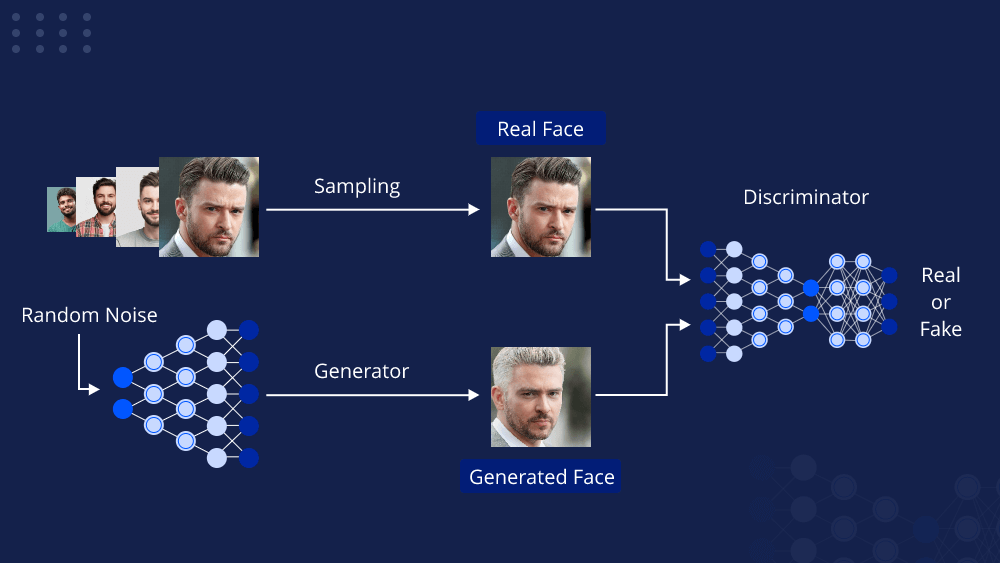
At the heart of GANs is a fascinating concept: pitting two neural networks against each other in a competitive process. This adversarial nature is the foundation of their power. Let’s delve into the core elements of GANs:

a. The Generator

  • The generator network’s role is to create content. It starts with random noise as input and gradually refines its output until it becomes indistinguishable from real data. This iterative process is akin to an artist honing their craft.

b. The Discriminator

  • The discriminator network acts as a critic. It evaluates the content generated by the generator and distinguishes between real and fake data. It’s like a vigilant art critic trying to spot counterfeit masterpieces.

c. The Adversarial Training Process

  • GANs operate through an adversarial training process where the generator and discriminator continuously compete against each other. The generator aims to improve its output to deceive the discriminator, while the discriminator strives to become better at distinguishing real from fake data.

d. Equilibrium and Realistic Output

  • When GANs reach equilibrium, the generator produces content that is so realistic that it becomes difficult for the discriminator to tell it apart from genuine data. This is where GANs truly shine, as they create content that is virtually indistinguishable from human-made data.

II. Real-World Applications of GANs in AI Consulting

GANs are not just theoretical constructs; they have practical applications across various industries. As AI consultants, understanding these applications can unlock new possibilities for your clients. Here are some notable use cases:

a. Image Generation and Enhancement

  • GANs can create high-quality images, which find applications in industries like fashion, interior design, and product prototyping. AI consultants can offer clients solutions for generating realistic product images and enhancing photo quality.

b. Style Transfer

  • GANs excel at transferring styles from one image to another. This is valuable in fields such as graphic design and marketing, allowing for the creation of unique visual content.

c. Data Augmentation

  • AI consultants can use GANs to augment datasets, which is crucial in training machine learning models with limited data. This technique enhances model performance across various domains, from healthcare to finance.

d. Anomaly Detection

  • GANs can be employed for anomaly detection in large datasets. AI consultants can leverage this capability to help clients identify and mitigate potential issues in their operations.

e. Face Generation

  • GANs have been used to generate realistic human faces, which can be valuable in identity verification, virtual reality, and entertainment.

III. GAN Variants and Specializations

The GAN framework is incredibly versatile, and over time, various specialized GAN variants have emerged, each tailored to specific tasks and industries. Here are some notable GAN variants:

a. Conditional GANs (cGANs)

  • cGANs take additional input, known as conditional data, to generate content with specific characteristics. These are valuable for tasks like image-to-image translation and data synthesis with specific attributes.

b. CycleGAN

  • CycleGANs are used for unpaired image-to-image translation. They learn to convert images from one domain to another without direct matching pairs, making them suitable for various creative applications.

c. DCGAN (Deep Convolutional GAN)

  • DCGANs leverage deep convolutional neural networks for image generation. They are known for producing high-resolution, realistic images and are widely used in AI consulting projects involving image synthesis.

d. StyleGAN

  • StyleGANs are renowned for their ability to generate highly detailed and customizable images. They allow users to control specific aspects of the generated content, making them suitable for creative applications.

IV. Ethical Considerations and Responsible GAN Usage

While GANs offer incredible creative and practical potential, their power also comes with ethical responsibilities. As AI consultants, it’s essential to be mindful of these considerations:

a. Deepfakes

  • GANs can be used to create convincing deepfake videos, which have raised concerns about misinformation and privacy. AI consultants should be aware of these issues and help clients use GANs responsibly.

b. Bias and Fairness

  • GANs can inherit biases present in their training data. Consultants must be diligent in addressing bias and ensuring fairness when deploying GAN-generated content.

c. Verification and Authentication

  • The ability of GANs to create highly realistic content raises challenges in content verification and authentication. Consultants should guide clients in developing robust methods for verifying GAN-generated content.

d. Regulation and Compliance

  • As GANs become more powerful, regulatory bodies may introduce rules and regulations governing their use. AI consultants should stay informed about legal and compliance considerations related to GANs.

V. GANs in AI Consulting: Navigating Opportunities

As an AI consultant, incorporating GANs into your consulting services can be a strategic move. Here’s how GANs can enhance your offerings:

a. Customized Content Generation

  • GANs enable AI consultants to offer customized content generation solutions to clients, whether it’s for marketing materials, product design, or data augmentation.

b. Enhanced Data Quality

  • Consultants can use GANs to improve data quality by generating synthetic data to fill gaps in existing datasets, leading to more accurate machine learning models.

c. Creative Solutions

  • GANs can spark creativity by generating innovative content and designs. AI consultants can leverage this creativity to provide unique solutions to their clients’ challenges.

d. Anomaly Detection Services

  • GANs can be employed for anomaly detection, a valuable service for clients seeking to identify irregularities in their data.

VI. The Future of GANs in AI Consulting

As we look to the future, the role of GANs in AI consulting is likely to expand. Here are some trends and developments to watch for:

a. Improved Realism

  • GANs will continue to produce content with ever-increasing realism, further blurring the lines between human and machine-generated content.

b. Interdisciplinary Applications

  • GANs will find applications across various domains, including art, science, and entertainment, as they become integrated into the creative process.

c. Ethical and Regulatory Considerations

  • The ethical and regulatory landscape surrounding GANs will evolve. AI consultants will play a pivotal role in guiding clients through these changes.

d. Enhanced Creativity

  • GANs will empower creators to explore new dimensions of creativity, allowing for the generation of content that was previously unimaginable.

VII. Conclusion: GANs – Transforming AI Consulting

In conclusion, Generative Adversarial Networks (GANs) are a remarkable addition to the toolkit of AI consultants. Their ability to generate content with stunning realism opens up a world of possibilities across diverse industries. However, with great power comes great responsibility, and AI consultants must navigate ethical considerations and ensure responsible usage.

By incorporating GANs into their consulting services, AI consultants can provide innovative, customized solutions to their clients’ challenges, from content generation to data augmentation and anomaly detection. As GAN technology continues to advance, those who embrace it will be at the forefront of AI consulting, shaping the future of creative problem-solving and content generation in a rapidly evolving world.
Standard

Demystifying MLOps Pipelines: The Bridge Between Machine Learning and Operations

In today’s data-driven world, machine learning (ML) and artificial intelligence (AI) have become integral components of many organizations’ strategies. Businesses rely on ML models for decision-making, customer insights, and process optimization. However, developing and deploying ML models at scale is not without its challenges. This is where MLOps pipelines come into play, serving as the bridge between the world of machine learning and the realm of operations.

Understanding MLOps

MLOps, short for Machine Learning Operations, is a practice that combines DevOps principles with ML processes to streamline the development and deployment of ML models. It aims to eliminate the silos between data scientists, machine learning engineers, and operations teams, creating a unified approach to building and managing ML applications. At the heart of MLOps lies the MLOps pipeline, a critical component that facilitates collaboration, automation, and reproducibility in the ML lifecycle.

The Anatomy of an MLOps Pipeline

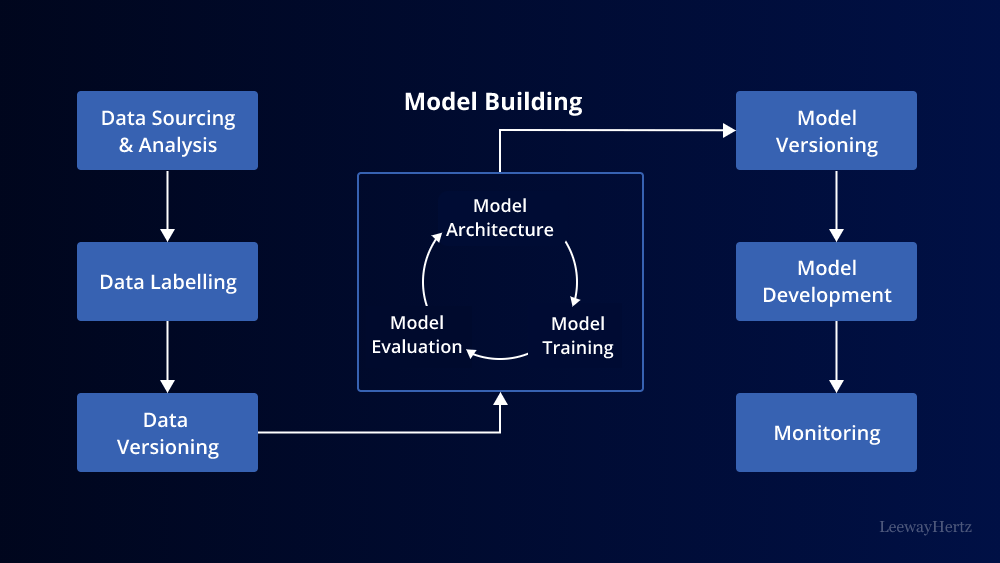
An MLOps pipeline is a series of interconnected steps that guide the ML model from its conception to production deployment. While the specific components of an MLOps pipeline can vary depending on the organization’s needs and tools used, a typical pipeline consists of the following key stages:

  1. Data Collection and Preparation: The journey begins with data collection, where raw data is gathered from various sources. Data preprocessing and cleaning follow this step to ensure the data is of high quality and ready for model training.
  2. Feature Engineering: Feature engineering involves selecting, transforming, and creating features (input variables) that the ML model will use to make predictions. This step can significantly impact the model’s performance.
  3. Model Development: Data scientists and machine learning engineers create and fine-tune ML models using the prepared data. This stage often involves experimenting with different algorithms and hyperparameters to achieve the best results.
  4. Validation and Testing: Models are evaluated rigorously to ensure they meet performance criteria. This includes cross-validation, testing against holdout datasets, and assessing metrics like accuracy, precision, recall, and F1 score.
  5. Model Deployment: Once a model passes validation and testing, it’s time to deploy it into production. This stage involves containerization, setting up APIs, and integration with existing systems.
  6. Monitoring and Maintenance: Post-deployment, continuous monitoring ensures that the model performs as expected. Monitoring tools track model drift, data quality, and overall system health. Regular maintenance may involve retraining models with new data or fine-tuning them to adapt to changing conditions.
  7. Feedback Loop: The feedback loop connects operations back to the data science and development teams. It captures insights from the production environment and informs further improvements in the model and pipeline.

Benefits of MLOps Pipelines

Implementing MLOps pipelines offers numerous advantages for organizations aiming to scale their ML initiatives:

  1. Efficiency: MLOps automates repetitive tasks, reducing the time and effort required to move from model development to deployment. This efficiency allows teams to iterate quickly and experiment with different models.
  2. Reproducibility: MLOps pipelines create a well-documented and reproducible workflow. This ensures that anyone can reproduce the model development process, which is crucial for auditing, compliance, and collaboration.
  3. Collaboration: Collaboration between data scientists, machine learning engineers, and operations teams is streamlined, fostering a culture of teamwork and knowledge sharing. Teams can work together seamlessly to deliver high-quality ML applications.
  4. Scalability: MLOps pipelines are designed to handle the scaling demands of ML applications. As data volumes and user loads increase, the pipeline can adapt to ensure the model’s performance and reliability.
  5. Risk Management: Continuous monitoring and feedback loops help detect and address issues early, reducing the risks associated with deploying and maintaining ML models in production.

Challenges in Implementing MLOps Pipelines

While MLOps pipelines offer many benefits, their implementation can be challenging:

  1. Complexity: Building and managing MLOps pipelines requires expertise in both machine learning and DevOps, making it a complex endeavor.
  2. Tooling: Selecting the right tools and technologies for an MLOps pipeline can be overwhelming, as there is a wide array of options available, each with its own strengths and weaknesses.
  3. Cultural Shift: MLOps often requires a cultural shift within organizations. Teams accustomed to traditional development practices may need time to adapt to the collaborative and iterative nature of MLOps.
  4. Data Governance: Ensuring data privacy and compliance with regulations can be complex, especially when dealing with sensitive data in ML projects.

Conclusion

MLOps pipelines are a critical component of the modern data-driven organization. They provide the means to efficiently develop, deploy, and manage ML models at scale, offering numerous benefits while also presenting challenges that need to be overcome. As organizations continue to invest in machine learning and artificial intelligence, mastering MLOps becomes increasingly essential for staying competitive and achieving success in the digital age. By understanding the anatomy of MLOps pipelines and embracing the MLOps mindset, organizations can harness the power of machine learning while maintaining operational excellence.

Standard

Unlocking the Power of Decision Transformer: Revolutionizing Choices with AI

In the ever-evolving landscape of artificial intelligence, there is a constant quest to develop tools and technologies that can mimic and enhance human cognitive abilities. One such groundbreaking development in the field of AI is the “Decision Transformer.” This remarkable innovation has the potential to revolutionize decision-making processes across various industries and pave the way for more informed and efficient choices. In this article, we will delve into the world of Decision Transformer, exploring what it is, how it works, and its implications for the future.

Deciphering Decision Transformer

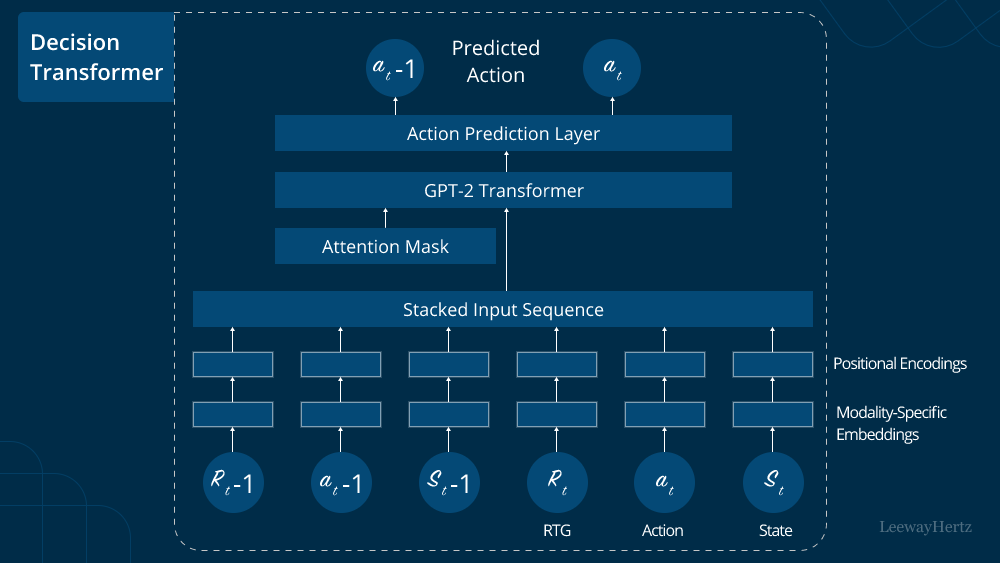
At its core, a Decision Transformer is an artificial intelligence model that has been designed to excel in making complex decisions by processing vast amounts of data and extracting valuable insights. It is built upon the foundations of deep learning and natural language processing, combining the capabilities of neural networks and transformers to achieve unparalleled decision-making prowess.

Decision Transformers are capable of handling both structured and unstructured data, making them versatile tools for a wide range of applications. They utilize a combination of pre-trained language models, attention mechanisms, and reinforcement learning to understand and interpret data, weigh various factors, and generate optimal decisions. This fusion of techniques allows Decision Transformers to tackle problems that were previously considered too intricate for traditional AI systems.

How Decision Transformers Work

The inner workings of a Decision Transformer involve several key components:

  1. Input Data Processing: Decision Transformers take in data from diverse sources, which can include text, images, numerical data, and more. This data is then preprocessed and encoded into a format that the model can understand.
  2. Attention Mechanisms: The heart of Decision Transformers lies in their attention mechanisms. These mechanisms enable the model to focus on relevant information within the input data and disregard irrelevant details. This selective attention allows for efficient data processing and decision-making.
  3. Neural Networks: Neural networks play a vital role in Decision Transformers by performing complex computations and transformations on the data. These networks are responsible for learning patterns, relationships, and dependencies within the data.
  4. Reinforcement Learning: To improve decision-making over time, Decision Transformers often incorporate reinforcement learning techniques. They learn from past decisions and their outcomes, adjusting their future decisions to maximize desired outcomes.

Applications Across Industries

The versatility of Decision Transformers makes them invaluable across various industries. Here are a few examples of how this technology is already making an impact:

  1. Healthcare: In the medical field, Decision Transformers assist in diagnosing diseases, predicting patient outcomes, and recommending treatment plans. They can analyze patient records, medical images, and research papers to aid healthcare professionals in making critical decisions.
  2. Finance: Decision Transformers are utilized for portfolio optimization, fraud detection, and risk assessment. They can process vast financial datasets, identify market trends, and make real-time trading decisions.
  3. Customer Service: In the realm of customer service, these models enhance chatbots and virtual assistants. They can understand customer queries more accurately, providing better responses and improving overall customer satisfaction.
  4. Manufacturing: Decision Transformers optimize supply chain management, helping companies make informed decisions about inventory levels, production schedules, and logistics.
  5. Environmental Conservation: These models contribute to environmental efforts by analyzing climate data and suggesting strategies for reducing carbon emissions or conserving natural resources.

Challenges and Ethical Considerations

While the potential of Decision Transformers is undeniably impressive, their development and deployment are not without challenges and ethical considerations. One significant challenge is the need for massive amounts of data to train these models effectively. Gathering and curating such data can be resource-intensive and raise privacy concerns.

Moreover, there is a risk of bias in decision-making when using AI models like Decision Transformers. If the training data is biased, the model may perpetuate or even exacerbate existing biases. Ensuring fairness and transparency in AI decision-making remains an ongoing challenge.

The Future of Decision Transformers

As research in AI continues to advance, Decision Transformers are poised to become even more powerful and influential. Researchers are working on improving their interpretability, so that users can better understand the reasoning behind their decisions. Additionally, efforts are being made to address ethical concerns and promote responsible AI development.

In conclusion, Decision Transformers represent a significant leap forward in the world of artificial intelligence. Their ability to process vast amounts of data and make informed decisions has the potential to revolutionize decision-making processes across industries. However, it is essential to approach their development and deployment with caution, addressing challenges and ethical considerations along the way. With responsible use and ongoing research, Decision Transformers may truly unlock the power of informed decision-making in the digital age.

Standard

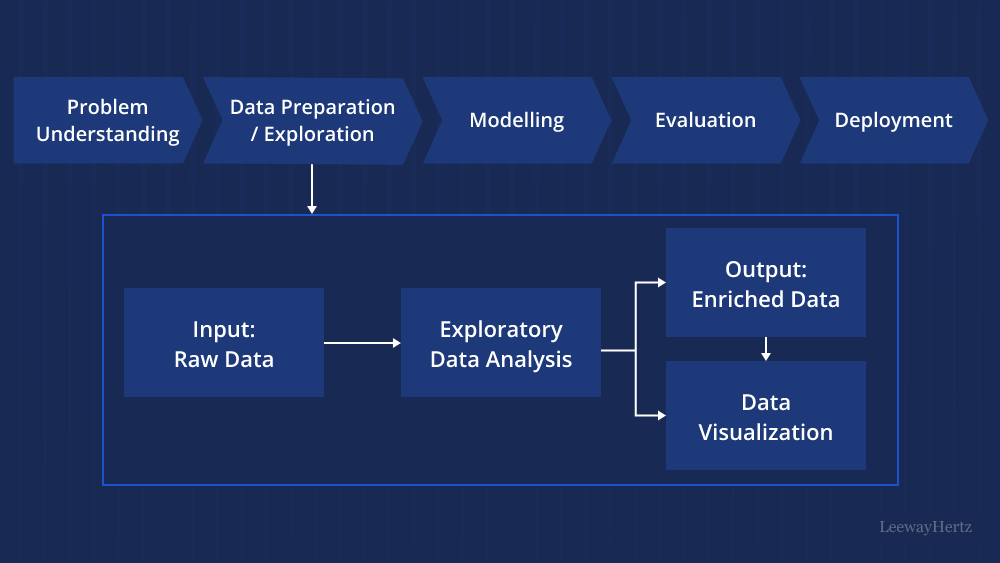
Exploring Exploratory Data Analysis

In the era of big data, information has become the lifeblood of decision-making, be it in business, science, or everyday life. However, raw data is often like a puzzle waiting to be solved, and that’s where Exploratory Data Analysis (EDA) steps in. EDA is a crucial first step in data analysis, providing insights, revealing patterns, and guiding further investigations. In this article, we will delve into the world of EDA, its importance, techniques, and real-world applications.

The Essence of Exploratory Data Analysis

Exploratory Data Analysis is the process of summarizing and visualizing data to understand its structure, patterns, and relationships. It is a bridge that connects the raw data to meaningful insights. While some might see it as the appetizer before the main course of statistical modeling, EDA is, in fact, a valuable dish in itself. Here are some key reasons why EDA is indispensable:

  1. Data Understanding: EDA helps us get acquainted with our data. It allows us to see what’s there, what’s missing, and whether the data makes sense.
  2. Pattern Discovery: EDA can reveal hidden patterns and trends in the data. These patterns can be used for prediction, decision-making, and even innovation.
  3. Outlier Detection: It identifies outliers or anomalies in the data, which could be errors or valuable insights. Detecting these outliers can be crucial in various fields, from finance to healthcare.
  4. Data Cleaning: EDA often uncovers inconsistencies, missing values, and outliers that need to be addressed before more advanced analysis can take place.

Techniques and Tools of EDA

EDA employs a variety of techniques and tools to extract insights from data. Here are some common approaches:

  1. Descriptive Statistics: These provide a summary of the central tendency, dispersion, and shape of a dataset. Measures like mean, median, and standard deviation are essential in understanding the data’s basic characteristics.
  2. Data Visualization: Visualization techniques like histograms, scatter plots, and box plots help represent data graphically, making patterns and outliers more apparent. Tools like Matplotlib, Seaborn, and ggplot2 are invaluable for creating compelling visualizations.
  3. Correlation Analysis: This method examines the relationships between variables, showing how they move together or apart. Correlation coefficients like Pearson, Spearman, or Kendall can quantify these relationships.
  4. Dimensionality Reduction: Techniques like Principal Component Analysis (PCA) or t-Distributed Stochastic Neighbor Embedding (t-SNE) help reduce the complexity of high-dimensional data while preserving important information.
  5. Clustering and Anomaly Detection: Methods such as k-means clustering or Isolation Forest are used to group similar data points together or identify unusual observations.
  6. Time Series Analysis: When dealing with time-dependent data, EDA often involves methods like moving averages, autocorrelation, and seasonal decomposition to uncover underlying patterns.

Applications of Exploratory Data Analysis

EDA plays a pivotal role across various domains:

  1. Business and Marketing: EDA helps businesses understand customer behavior, optimize marketing strategies, and identify trends to make informed decisions.
  2. Healthcare: In medical research, EDA is used to uncover correlations between variables, identify patient clusters, and detect early signs of diseases.
  3. Finance: EDA is essential for risk assessment, fraud detection, and portfolio optimization in the financial sector.
  4. Environmental Science: Environmental data can be analyzed to understand trends in climate change, pollution levels, and the impact of human activities on ecosystems.
  5. Social Sciences: EDA assists social scientists in exploring survey data, identifying demographics, and understanding societal trends.
  6. Manufacturing and Quality Control: In manufacturing, EDA is used to monitor production processes, identify defects, and improve quality.

Challenges in Exploratory Data Analysis

Despite its benefits, EDA comes with challenges:

  1. Data Quality: Poorly collected or incomplete data can hinder the effectiveness of EDA.
  2. Biases: Unintentional biases in data collection can lead to misleading insights.
  3. Interpretation: EDA is an art as much as it is a science. Different analysts may interpret the same data differently, leading to varied conclusions.
  4. Data Privacy: Handling sensitive or personally identifiable information requires careful consideration and ethical practices.

Conclusion

Exploratory Data Analysis is not just a stepping stone but an essential component of data analysis. It transforms raw data into actionable insights, making it invaluable across diverse fields. As the world continues to generate vast amounts of data, the role of EDA in uncovering hidden stories within this data will only become more critical. So, the next time you encounter a dataset, remember the power of EDA in unraveling its secrets and guiding you towards data-driven decisions.

Standard

Hire Generative AI Engineers: The Key to Unlocking Innovation

In an era defined by rapid technological advancements, the integration of Artificial Intelligence (AI) has become paramount for businesses aiming to stay competitive and innovative. Among the many facets of AI, generative AI stands out as a transformative force. However, to harness its potential, organizations must recognize the importance of hiring generative AI engineers. In this article, we will explore why hiring these specialized professionals is crucial and how they can drive innovation within your organization.

The Rise of Generative AI

Generative AI, a subset of AI, focuses on the creation of data, content, or even entirely new concepts. It has gained prominence in recent years due to breakthroughs in deep learning, particularly with models like GPT-3 and its successors. Generative AI can generate text, images, music, and even code, making it a versatile tool for numerous industries.

Applications of generative AI are diverse and far-reaching. They include content generation, creative assistance, language translation, chatbots, drug discovery, and much more. As generative AI’s potential continues to unfold, organizations need experts who can navigate its complexities and maximize its advantages.

The Expertise of Generative AI Engineers

Generative AI engineers are the architects behind the AI models that create content and data. They possess a unique skill set that combines expertise in deep learning, neural networks, natural language processing, and data science. These professionals not only understand the intricacies of generative AI models but also possess the creativity to apply them effectively.

Here are some key reasons why hiring generative AI engineers is essential for your organization:

  1. Model Customization: Generative AI engineers can fine-tune pre-existing models to meet your specific needs. Whether it’s tailoring a language model for customer support or creating a unique chatbot for your brand, these experts can adapt AI to your organization’s requirements.
  2. Ethical Considerations: Generative AI can sometimes produce biased or harmful content. Generative AI engineers are well-versed in ethics and responsible AI practices. They can ensure that your AI applications adhere to ethical guidelines, preventing potential controversies and legal issues.
  3. Innovation Catalysts: Generative AI engineers are not just technical experts but also creative thinkers. They can brainstorm and develop innovative AI-driven solutions that can give your organization a competitive edge. Whether it’s generating new product ideas or enhancing user experiences, these professionals are invaluable.
  4. Optimized Performance: Generative AI models require continuous monitoring and optimization to maintain their performance. Generative AI engineers can fine-tune these models, improving their efficiency and accuracy over time.
  5. Reduced Time to Market: With generative AI engineers on board, your organization can expedite the development of AI applications. This reduced time to market can be a game-changer in today’s fast-paced business landscape.

How Generative AI Engineers Drive Innovation

The impact of generative AI engineers on innovation cannot be overstated. Here’s how they contribute to pushing the boundaries of what’s possible:

  1. Content Generation: Generative AI engineers enable the creation of high-quality, automated content. From generating marketing copy to crafting news articles, they empower businesses to scale their content production efficiently.
  2. Creative Design: In the world of design, generative AI engineers can assist in generating art, designs, and even architectural plans. This collaboration between human creativity and AI innovation often results in groundbreaking designs.
  3. Personalization: Personalized user experiences are a significant driver of innovation. Generative AI engineers can develop recommendation systems that analyze user behavior and preferences, providing tailored content and product suggestions.
  4. Problem Solving: Generative AI engineers can design AI models that help solve complex problems in various fields, such as healthcare, finance, and logistics. They can assist in drug discovery, optimize supply chains, and predict market trends.
  5. Natural Language Interfaces: The development of conversational AI interfaces, like chatbots and virtual assistants, is another area where generative AI engineers excel. These interfaces can enhance customer service, streamline operations, and improve user engagement.

Conclusion

In an increasingly AI-driven world, organizations must adapt to remain competitive and innovative. Generative AI engineers are the linchpin in this transformation. Their expertise in designing, customizing, and deploying generative AI models can revolutionize content creation, enhance user experiences, and solve complex problems.

To truly unlock the potential of generative AI, businesses should invest in recruiting and hiring generative AI engineers. With their unique blend of technical knowledge and creative thinking, these professionals can drive innovation, propel your organization ahead of the competition, and ensure that you harness the full power of generative AI. Don’t miss out on this opportunity to reshape the future of your business—hire generative AI engineers today.

Standard

The Rising Role of AI Chatbots: Transforming Customer Engagement and Beyond

In an age marked by digital transformation and the relentless pursuit of efficiency, businesses are increasingly turning to artificial intelligence (AI) chatbots to revolutionize the way they engage with customers and streamline their operations. These intelligent virtual assistants are no longer a novelty but have become an essential tool in enhancing customer support, driving sales, and improving overall user experiences. In this article, we will explore the world of AI chatbots, their evolution, applications, and the promising future they hold.

The Evolution of AI Chatbots

The journey of AI chatbots dates back several decades, with early versions being rudimentary and rule-based. These chatbots could only respond to specific keywords and lacked the ability to understand natural language. However, significant advancements in AI, particularly in natural language processing (NLP) and machine learning, have transformed chatbots into highly sophisticated conversational agents.

Modern AI chatbots leverage deep learning algorithms and large datasets to understand context, sentiment, and user intent. They can engage in meaningful and contextually relevant conversations with users, making them an invaluable asset for businesses looking to provide exceptional customer service.

Applications of AI Chatbots

AI chatbots have found applications in a wide range of industries, and their versatility continues to expand. Here are some key areas where they are making a significant impact:

  1. Customer Support: AI chatbots are increasingly being used for customer support and service inquiries. They can provide instant responses to common queries, freeing up human agents to focus on more complex issues. This leads to quicker issue resolution and improved customer satisfaction.
  2. E-commerce: Many online retailers employ chatbots to assist customers with product recommendations, order tracking, and troubleshooting. Chatbots can also help streamline the checkout process and increase sales through personalized interactions.
  3. Healthcare: In the healthcare sector, chatbots are being used for appointment scheduling, medication reminders, and even providing initial medical advice. These virtual healthcare assistants are accessible 24/7, enhancing patient care and reducing administrative burdens.
  4. Finance: Banks and financial institutions are using chatbots to provide account information, facilitate money transfers, and answer customer inquiries. These bots are equipped with robust security measures to ensure data protection.
  5. Marketing and Sales: AI chatbots are valuable tools for lead generation and nurturing. They can engage website visitors, qualify leads, and provide product information, ultimately boosting sales and conversion rates.
  6. Education: In the education sector, chatbots can assist students with course selection, provide study resources, and answer academic queries. They offer personalized learning experiences and support educators in managing administrative tasks.

The Benefits of AI Chatbots

The adoption of AI chatbots brings several advantages to businesses:

  1. Cost Efficiency: Chatbots can handle a large volume of inquiries simultaneously, reducing the need for a large customer support team. This translates to cost savings for businesses.
  2. 24/7 Availability: Unlike human agents, chatbots are available round the clock, ensuring that customers can get assistance whenever they need it.
  3. Consistency: Chatbots provide consistent responses, ensuring that customers receive accurate information every time.
  4. Scalability: As businesses grow, chatbots can easily scale to meet increased customer demands without the need for extensive hiring and training.
  5. Data Insights: Chatbots collect valuable data on customer interactions, which can be analyzed to gain insights into customer preferences, pain points, and behavior.
  6. Improved Customer Experience: Quick and accurate responses enhance the overall customer experience, leading to increased loyalty and repeat business.

The Future of AI Chatbots

The future of AI chatbots holds immense promise. As technology continues to advance, we can expect chatbots to become even more intelligent and capable. Some exciting developments on the horizon include:

  1. Enhanced Personalization: Chatbots will become better at understanding individual user preferences and delivering highly personalized interactions.
  2. Multilingual Capabilities: AI chatbots will become proficient in multiple languages, catering to a global audience.
  3. Voice Integration: Voice-activated chatbots will become more prevalent, allowing users to interact through voice commands and making them even more accessible.
  4. Emotional Intelligence: Chatbots will evolve to recognize and respond to users’ emotional states, enhancing empathy and connection.
  5. Cross-Platform Integration: Chatbots will seamlessly integrate with various platforms, including social media, messaging apps, and websites, providing a consistent experience across channels.

In conclusion, AI chatbots have evolved from simple rule-based programs to powerful conversational agents that are transforming customer engagement and business operations across various industries. Their ability to provide cost-effective, efficient, and personalized interactions positions them as a pivotal tool in the digital age. As technology continues to advance, we can anticipate even more exciting developments in the world of AI chatbots, making them an integral part of our daily lives and business interactions.

Standard

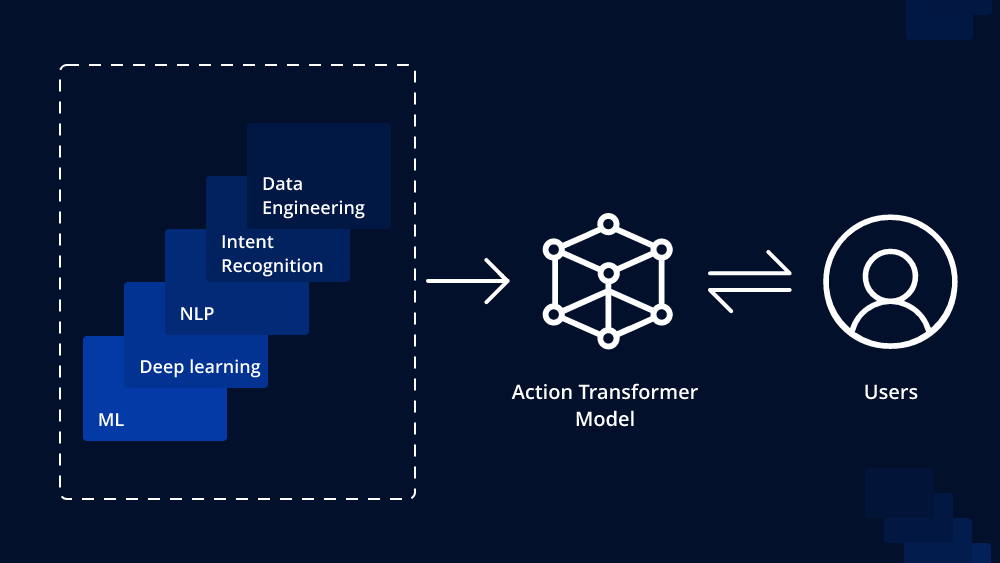
Unlocking the Power of AI: The Action Transformer Model

In the ever-evolving landscape of artificial intelligence (AI), breakthroughs continue to reshape the way we interact with technology and the world around us. One such remarkable advancement is the Action Transformer Model, a revolutionary neural network architecture that is pushing the boundaries of AI capabilities. This model has the potential to transform industries, from healthcare to autonomous vehicles, by enabling machines to not only understand and generate text but also take real-world actions. In this article, we will delve into the fascinating world of the Action Transformer Model, exploring its architecture, applications, and the profound impact it is poised to make.

Understanding the Transformer Architecture

Before we dive into the specifics of the Action Transformer Model, it’s crucial to understand its foundation—the Transformer architecture. The Transformer, introduced in a groundbreaking 2017 paper by Vaswani et al., marked a pivotal moment in natural language processing (NLP). It replaced the traditional recurrent and convolutional neural networks with a novel attention mechanism that allowed it to capture long-range dependencies in data efficiently. This architecture has since become the backbone for many state-of-the-art NLP models.

The Transformer’s core innovation is the self-attention mechanism, which allows it to weigh the importance of different parts of an input sequence when making predictions. This mechanism, combined with layers of stacked encoders and decoders, forms the building blocks of the Action Transformer Model.

Introducing the Action Transformer Model

The Action Transformer Model is an extension of the Transformer architecture that goes beyond text understanding and generation. Developed by researchers and engineers passionate about bridging the gap between language understanding and real-world actions, this model is designed to connect language with physical environments. At its core, the Action Transformer Model fuses the power of NLP with the capability to perform actions in the real world.

The key innovation of the Action Transformer Model lies in its ability to take textual input, understand its meaning, and then perform corresponding actions. This breakthrough has the potential to revolutionize numerous industries and domains.

Applications of the Action Transformer Model

  1. Healthcare: In the healthcare sector, the Action Transformer Model can be employed to extract vital information from medical records and scientific literature, interpret patient symptoms, and recommend appropriate treatment plans. Moreover, it can interface with medical devices to provide real-time patient monitoring and alerts.
  2. Autonomous Vehicles: Self-driving cars are becoming increasingly prevalent, and the Action Transformer Model plays a vital role in enhancing their capabilities. It can process traffic signs, road conditions, and even communicate with pedestrians, making autonomous vehicles safer and more efficient.
  3. Robotics: In the realm of robotics, the Action Transformer Model enables robots to understand human commands and carry out complex tasks. This can range from household chores to manufacturing processes, significantly enhancing automation capabilities.
  4. Customer Service: Chatbots powered by the Action Transformer Model can provide more intuitive and helpful responses to customer queries. They can understand context, provide detailed information, and even execute actions such as booking reservations or placing orders.
  5. Education: The model can personalize education by understanding a student’s queries and tailoring learning materials accordingly. It can even assist in creating interactive educational content.

Challenges and Future Prospects

While the Action Transformer Model holds immense promise, it also faces several challenges. One of the primary concerns is ensuring the safe and ethical use of this technology. As AI systems gain the ability to take physical actions, it becomes crucial to establish robust safeguards and regulations.

Additionally, fine-tuning the model’s ability to understand nuanced and context-dependent language remains a significant area of research. Improvements in natural language understanding will directly translate into more effective real-world actions.

Looking ahead, the Action Transformer Model is expected to continue evolving. Researchers are exploring ways to enhance its multimodal capabilities, allowing it to understand not only text but also images, audio, and other sensory inputs. This will open up new avenues for applications across diverse domains.

Conclusion

The Action Transformer Model represents a monumental step forward in the field of artificial intelligence. Its ability to bridge the gap between language understanding and real-world actions has the potential to reshape industries and improve countless aspects of our daily lives. As researchers and engineers continue to refine this technology and address its challenges, we can look forward to a future where machines not only understand our words but also respond with meaningful and impactful actions, making the world a smarter and more efficient place.

Standard

Generative AI Models for Image Synthesis

In the realm of artificial intelligence, the development of generative models has ushered in a new era of creativity and innovation. Among these models, generative AI models for image synthesis have emerged as some of the most captivating and powerful tools, capable of producing stunning and lifelike images. This article delves into the world of generative AI models for image synthesis, exploring their evolution, applications, and the transformative impact they have had on various industries.

The Evolution of Generative AI Models

Generative AI models for image synthesis have come a long way since their inception. The journey began with simpler models like autoencoders and Variational Autoencoders (VAEs), which aimed to generate images by learning compact representations of data. However, these early models often produced blurry and unrealistic images.

The breakthrough came with the development of Generative Adversarial Networks (GANs) in 2014 by Ian Goodfellow and his colleagues. GANs introduced a novel framework where two neural networks, a generator and a discriminator, engage in a competitive game. The generator creates images, while the discriminator evaluates their realism. Through this adversarial training process, GANs have achieved remarkable success in generating high-quality images that are often indistinguishable from real photographs.

Applications Across Industries

Generative AI models for image synthesis have found applications in a wide range of industries, revolutionizing the way we create, design, and visualize:

  1. Art and Entertainment: GANs have been employed to generate artwork, music, and even entire novels. Artists and musicians use these models to inspire their creativity and explore new dimensions of their craft.
  2. Fashion and Design: In the fashion industry, AI-generated designs and clothing have become a trend. Designers can quickly prototype and visualize clothing collections, reducing the time and cost associated with traditional design processes.
  3. Architecture: Architects use generative models to create realistic 3D renderings of buildings and interior spaces. These models help architects visualize their designs and make informed decisions during the planning phase.
  4. Healthcare: Generative models assist medical professionals in generating synthetic images of organs and tissues for training AI algorithms and simulating surgical procedures. This technology has the potential to advance medical education and diagnostics.
  5. Video Games: Game developers utilize generative AI to create realistic game environments, characters, and animations. This enhances the immersive experience for players and reduces the workload on artists and animators.
  6. Photography Enhancement: Image synthesis models are used to enhance and restore old or damaged photographs, bringing cherished memories back to life with vibrant colors and sharp details.
  7. Advertising and Marketing: Marketers leverage generative models to create personalized content, including advertisements, product designs, and marketing materials tailored to individual preferences.

Challenges and Ethical Considerations

While generative AI models for image synthesis have tremendous potential, they also raise several challenges and ethical considerations. These include:

  1. Bias and Fairness: AI models can inherit biases present in their training data, leading to biased or discriminatory outputs. Ensuring fairness and addressing biases is a critical concern.
  2. Privacy: Generating lifelike images could pose privacy risks, as AI can be used to create convincing deepfakes or manipulated images that deceive or harm individuals.
  3. Intellectual Property: The use of AI to create art and designs blurs the line between human and machine creativity, raising questions about copyright and intellectual property rights.
  4. Misinformation and Manipulation: AI-generated content can be used to spread misinformation, fake news, or engage in online manipulation, requiring vigilance and countermeasures.

The Future of Image Synthesis

The field of generative AI models for image synthesis continues to evolve at a rapid pace. Researchers are constantly pushing the boundaries of what these models can achieve. Some of the exciting developments on the horizon include:

  1. Improved Realism: Researchers are working to make AI-generated images even more realistic, closing the gap between synthetic and real-world visuals.
  2. Interactive Creativity: Future models may enable users to interactively guide the image synthesis process, allowing for greater creativity and customization.
  3. Cross-Domain Synthesis: Advancements are being made in synthesizing images across different domains, such as converting sketches into realistic photographs or changing day scenes into night scenes.
  4. Ethical Safeguards: Efforts to develop ethical guidelines and safeguards against misuse will continue to play a crucial role in the development and deployment of these models.

In conclusion, generative AI models for image synthesis have emerged as a transformative force in various industries, unlocking new levels of creativity and efficiency. From art and design to healthcare and entertainment, these models are reshaping how we create and visualize. However, as with any powerful technology, responsible development and ethical considerations must guide their continued evolution. The future promises even more stunning advancements in image synthesis, and it will be fascinating to see how these models continue to redefine the boundaries of human and machine creativity.

Standard

Building Machine Learning Apps: A Step-by-Step Guide

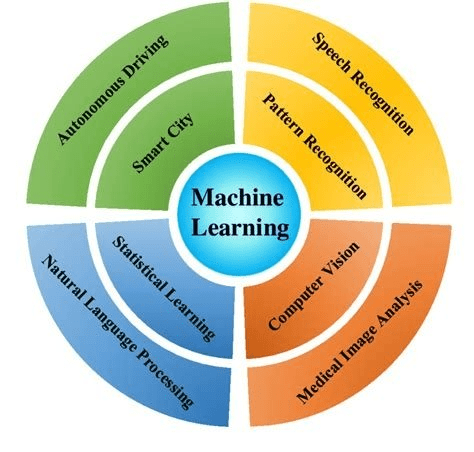
Machine learning has revolutionized the way we approach problem-solving and decision-making in various domains, from healthcare to finance and beyond. One of the most exciting applications of machine learning is in building intelligent apps that can automate tasks, make predictions, and provide personalized recommendations. In this article, we’ll walk you through the essential steps to create your own machine learning app.

1. Define Your Problem and Objective

The first step in building a machine learning app is to clearly define your problem and objective. What specific task or prediction do you want your app to perform? Whether it’s image classification, natural language processing, or recommendation systems, a well-defined problem is the foundation of a successful machine learning project.

2. Gather and Prepare Data

Data is the lifeblood of any machine learning application. You’ll need a high-quality dataset that is relevant to your problem. Collecting, cleaning, and preprocessing data are critical tasks. Data preprocessing involves handling missing values, scaling features, and encoding categorical variables to make the data suitable for machine learning algorithms.

3. Choose the Right Algorithm

Selecting the appropriate machine learning algorithm is crucial. The choice depends on the nature of your problem, the type of data you have, and your desired outcome. Common algorithms include decision trees, support vector machines, neural networks, and many more. Experiment with different algorithms to find the one that best fits your problem.

4. Train Your Model

Once you’ve chosen an algorithm, it’s time to train your machine learning model. Split your dataset into training and testing sets to evaluate the model’s performance. During training, the model learns patterns and relationships in the data to make predictions or classifications. Be prepared for multiple iterations and parameter tuning to optimize your model’s performance.

5. Develop the App

With a trained model in hand, it’s time to start building your app. You’ll need to choose a programming language and framework that supports your model. Popular choices include Python, TensorFlow, PyTorch, and scikit-learn. Create a user-friendly interface that allows users to interact with your app and input data for predictions.

6. Integrate the Model

Integrate your trained machine learning model into the app’s backend. This involves writing code that loads the model, processes input data, and generates predictions or recommendations. Ensure that the model’s performance remains consistent in the app environment.

7. Test and Validate

Thoroughly test your machine learning app to ensure it performs as expected. Test it with various input data to validate its accuracy and robustness. Consider using techniques like cross-validation to assess model performance. User feedback is invaluable for identifying and fixing any issues.

8. Deployment and Scaling

Once your app is thoroughly tested and validated, it’s time to deploy it to a production environment. Depending on your needs, you can deploy your app on a cloud platform, a web server, or even on mobile devices. Ensure that your app can handle real-time data and scale to accommodate increasing usage.

9. Monitor and Maintain

Machine learning models require ongoing maintenance. Data drift, changes in user behavior, and evolving requirements can affect model performance. Implement a monitoring system that alerts you to potential issues and schedule regular updates to retrain your model with new data.

10. User Experience and Feedback

A successful machine learning app is not just about accurate predictions; it’s also about providing a great user experience. Listen to user feedback and make improvements to the app’s interface and functionality. Continuously refine your app to meet user expectations.

11. Privacy and Security

Ensure that your machine learning app complies with privacy regulations and protects user data. Implement encryption and authentication mechanisms to safeguard sensitive information. Educate yourself on best practices for data privacy and security in machine learning applications.

12. Stay Informed and Adapt

The field of machine learning is rapidly evolving. Stay informed about the latest developments, research papers, and best practices. Be prepared to adapt your app as new techniques and technologies emerge to maintain its competitive edge.

In conclusion, building a machine learning app is a complex but rewarding endeavor. It starts with a clear problem definition, data collection, model training, and culminates in a user-friendly, production-ready application. By following these steps and staying committed to continuous improvement, you can create a machine learning app that adds significant value to your target audience and stays relevant in a dynamic technological landscape.

To Learn More :- https://www.leewayhertz.com/how-to-build-a-machine-learning-app/

Standard

Stable Diffusion Developers: Pioneers of Sustainable Technological Advancement

In the fast-paced realm of software development, where trends and technologies seem to shift overnight, there emerges a unique breed of developers known as “Stable Diffusion Developers.” These innovative individuals stand out by their commitment to sustainable technological advancement and the creation of lasting, impactful solutions. In a landscape often characterized by rapid change and short-term gains, Stable Diffusion Developers prioritize stability, longevity, and responsible innovation. Let’s delve into the characteristics and contributions of these exceptional professionals in the world of software development.

1. Embracing Longevity Over Quick Wins

Stable Diffusion Developers prioritize longevity over quick wins. Rather than chasing the latest fads, they focus on creating software solutions that stand the test of time. Their code is characterized by robustness and adaptability, ensuring that their creations continue to function effectively even as technology evolves.

2. Mindful Technological Adoption

In a digital environment where new frameworks, libraries, and tools emerge regularly, Stable Diffusion Developers approach technological adoption with mindfulness. They critically assess the potential benefits and drawbacks of integrating new technologies into their projects. Their measured approach prevents unnecessary disruptions and ensures a stable foundation for software development.

3. User-Centric Design for Sustainable Impact

Stable Diffusion Developers place a strong emphasis on user-centric design. They actively engage with end-users to understand their needs and pain points, creating software that addresses real-world problems. By prioritizing sustainable solutions that provide long-term value, these developers contribute to positive user experiences and sustained relevance.

4. Continuous Learning and Skill Development

To maintain their stability-focused approach, Stable Diffusion Developers are committed to continuous learning. They invest time in improving their existing skills and acquiring new ones, enabling them to adapt to evolving technological landscapes without sacrificing the stability of their projects.

5. Thorough Testing and Quality Assurance

Stable Diffusion Developers understand that stable software is synonymous with reliable software. They dedicate ample time to thorough testing and quality assurance, leaving no stone unturned in the quest for optimal functionality. This meticulous attention to detail results in software that operates smoothly and consistently.

6. Collaborative and Inclusive Work Culture

In the world of software development, collaboration is key. Stable Diffusion Developers foster a collaborative and inclusive work culture where ideas are shared openly, and constructive feedback is encouraged. This approach not only leads to better outcomes but also helps in nurturing a stable and cohesive development environment.

7. Sustainability and Environmental Responsibility

Beyond the digital realm, Stable Diffusion Developers are increasingly concerned with the environmental impact of their work. They advocate for energy-efficient coding practices and actively seek ways to minimize the carbon footprint of their software. By aligning technological innovation with environmental responsibility, they contribute to a more sustainable future.

8. Ethical Considerations in Development

Stable Diffusion Developers recognize the ethical implications of their work. They prioritize data privacy, security, and user rights, ensuring that their software upholds the highest ethical standards. This commitment to ethical considerations adds a layer of stability and trust to their creations.

9. Balancing Innovation and Stability

Innovation is at the heart of software development, and Stable Diffusion Developers strike a harmonious balance between innovation and stability. They leverage cutting-edge technologies to enhance their projects while maintaining a steadfast focus on stability and user satisfaction.

10. Mentorship and Knowledge Sharing

Stable Diffusion Developers are not only skilled practitioners but also passionate mentors. They actively engage in knowledge sharing, guiding aspiring developers to adopt sustainable practices and prioritize stability in their work. This mentorship contributes to the growth of a new generation of developers who value longevity and responsible innovation.

In a rapidly changing technological landscape, Stable Diffusion Developers stand as beacons of stability and responsible innovation. Their commitment to creating lasting, impactful solutions serves as an inspiration for the broader software development community. By embracing longevity, user-centric design, continuous learning, and ethical considerations, they pave the way for a future where technological advancement and stability go hand in hand. As the digital world continues to evolve, these developers remind us of the importance of sustainable practices that stand the test of time.

Standard